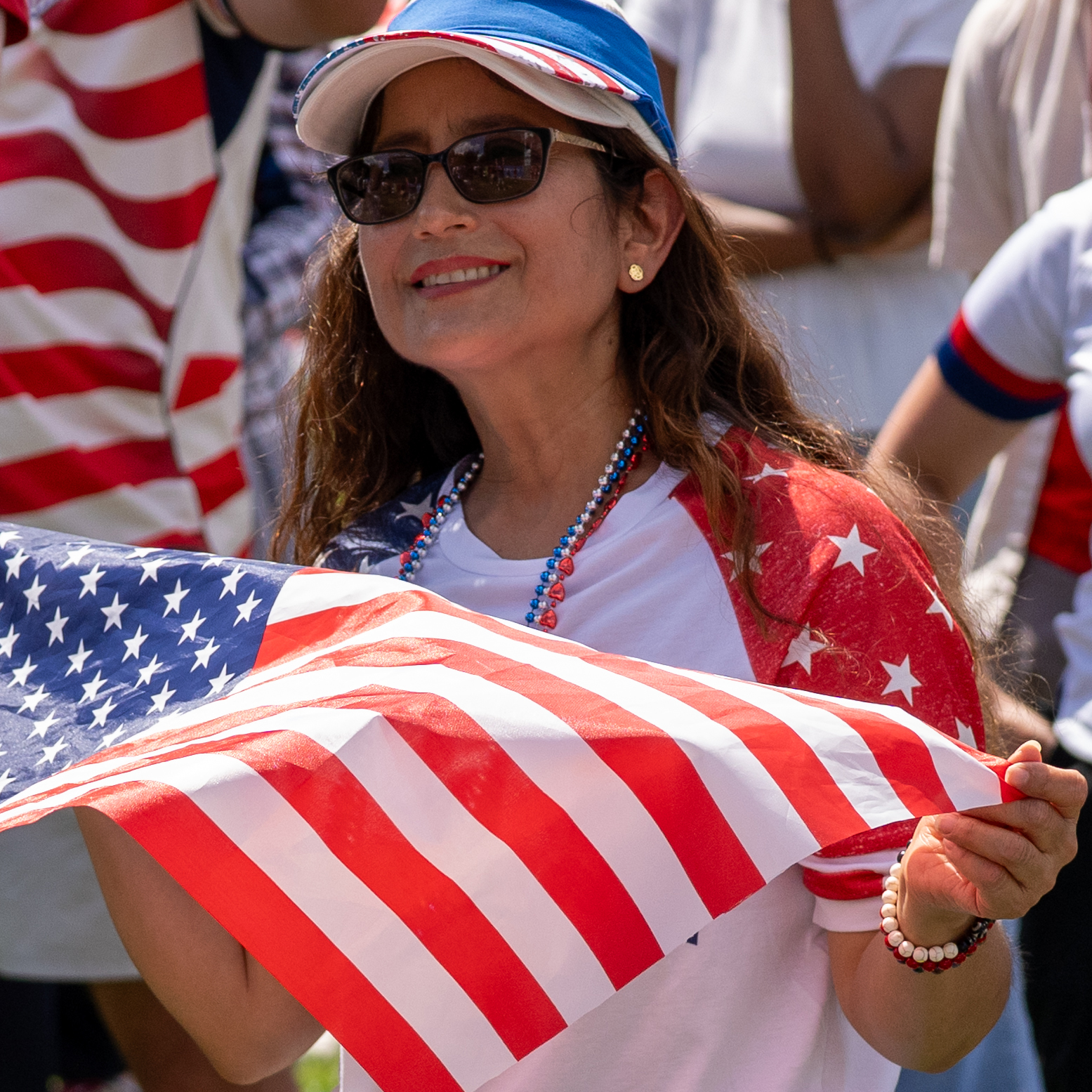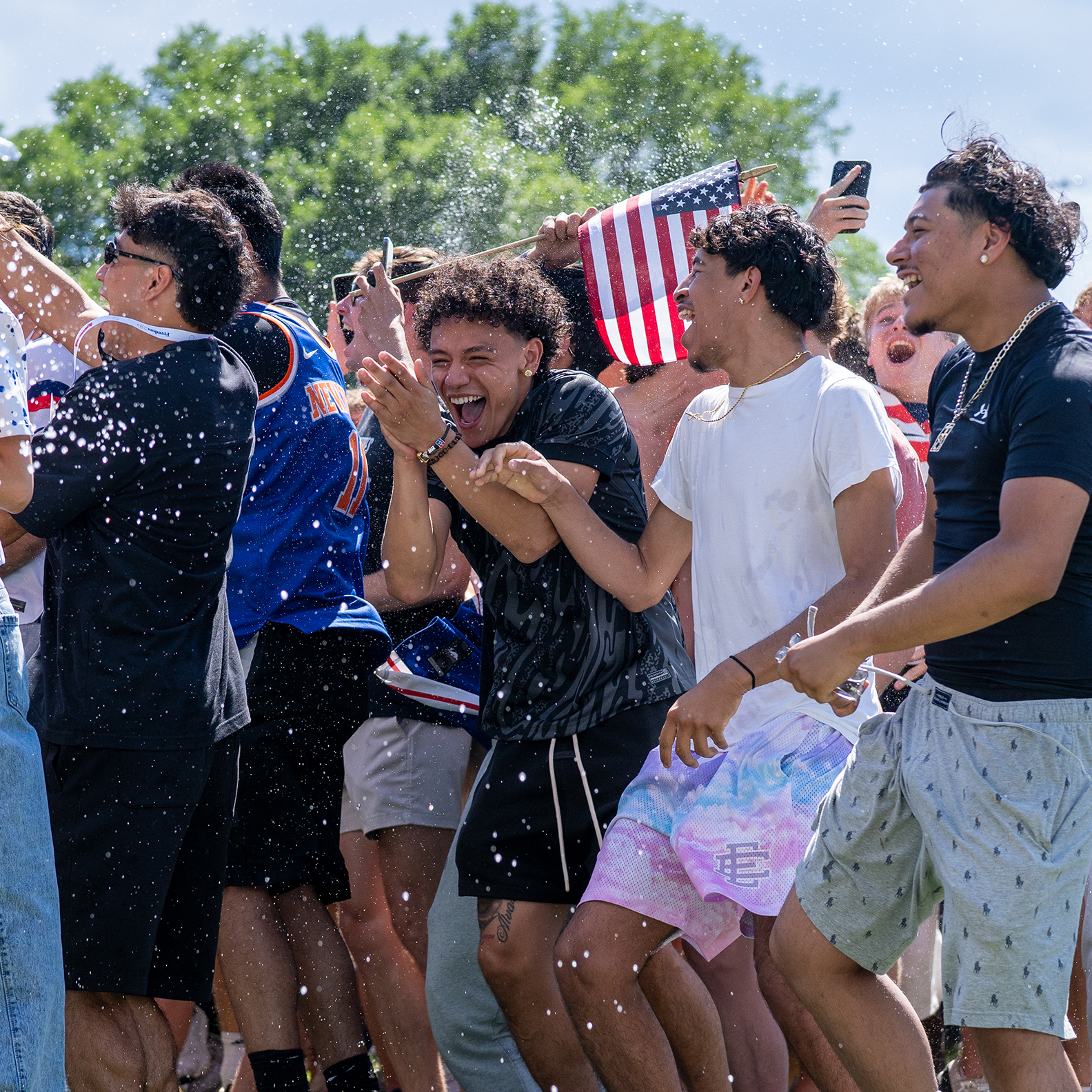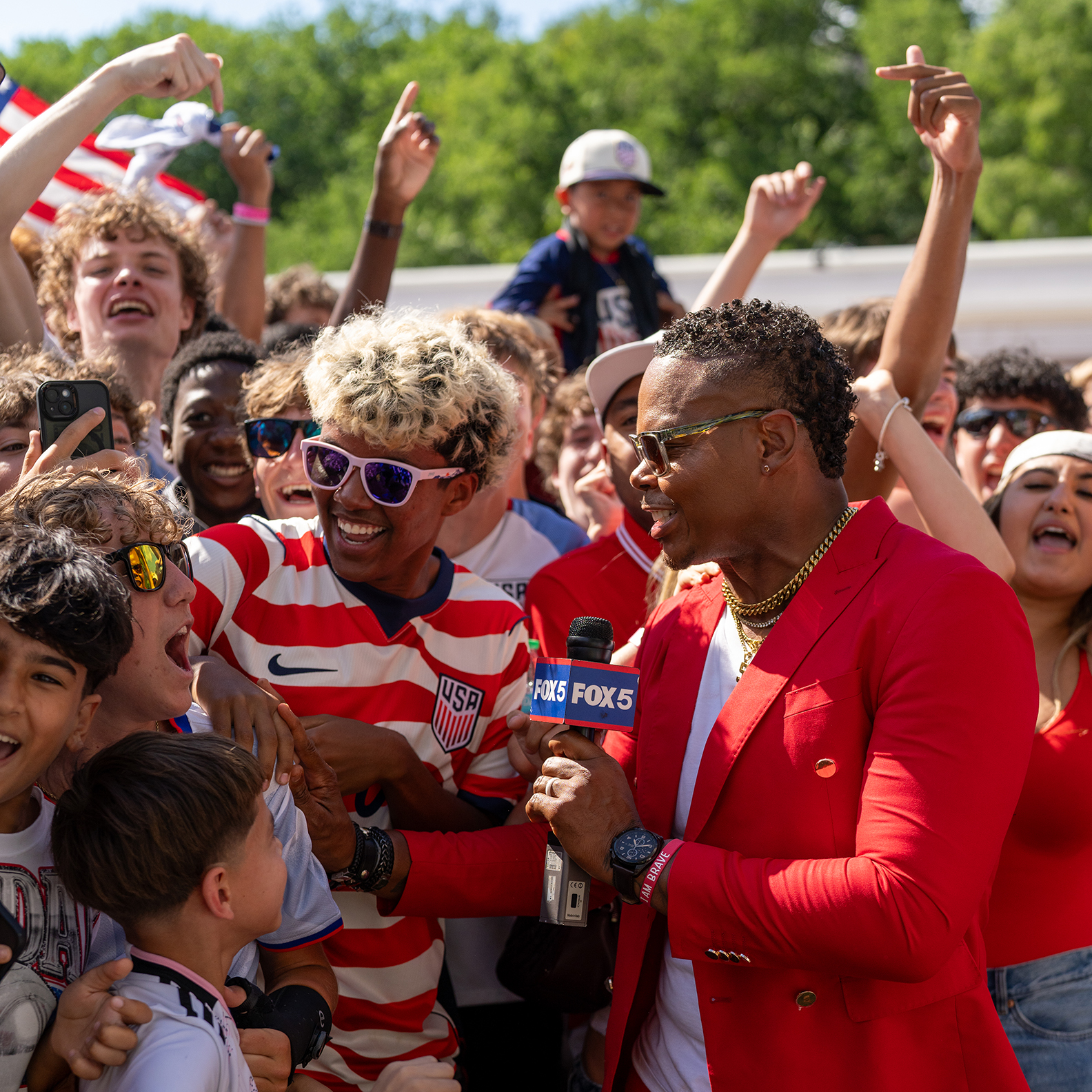
Beneath Washington’s monuments, American supporters watched the US Men’s National Team defeat Australia 2–0, secure a place in the FIFA World Cup Round of 32 and turn a Friday afternoon watch party into a national celebration.
On the National Mall, the distance between Washington and Seattle disappeared.
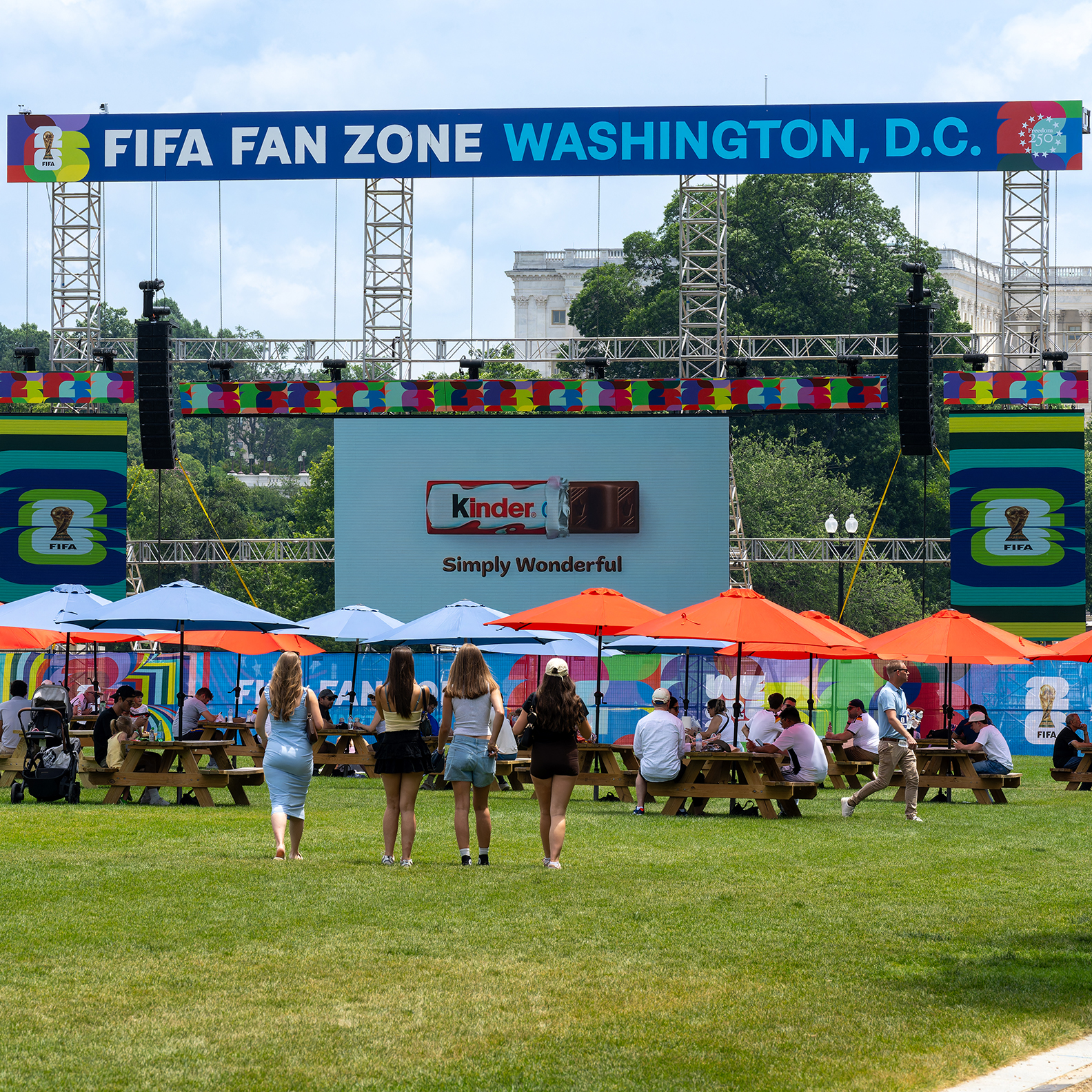
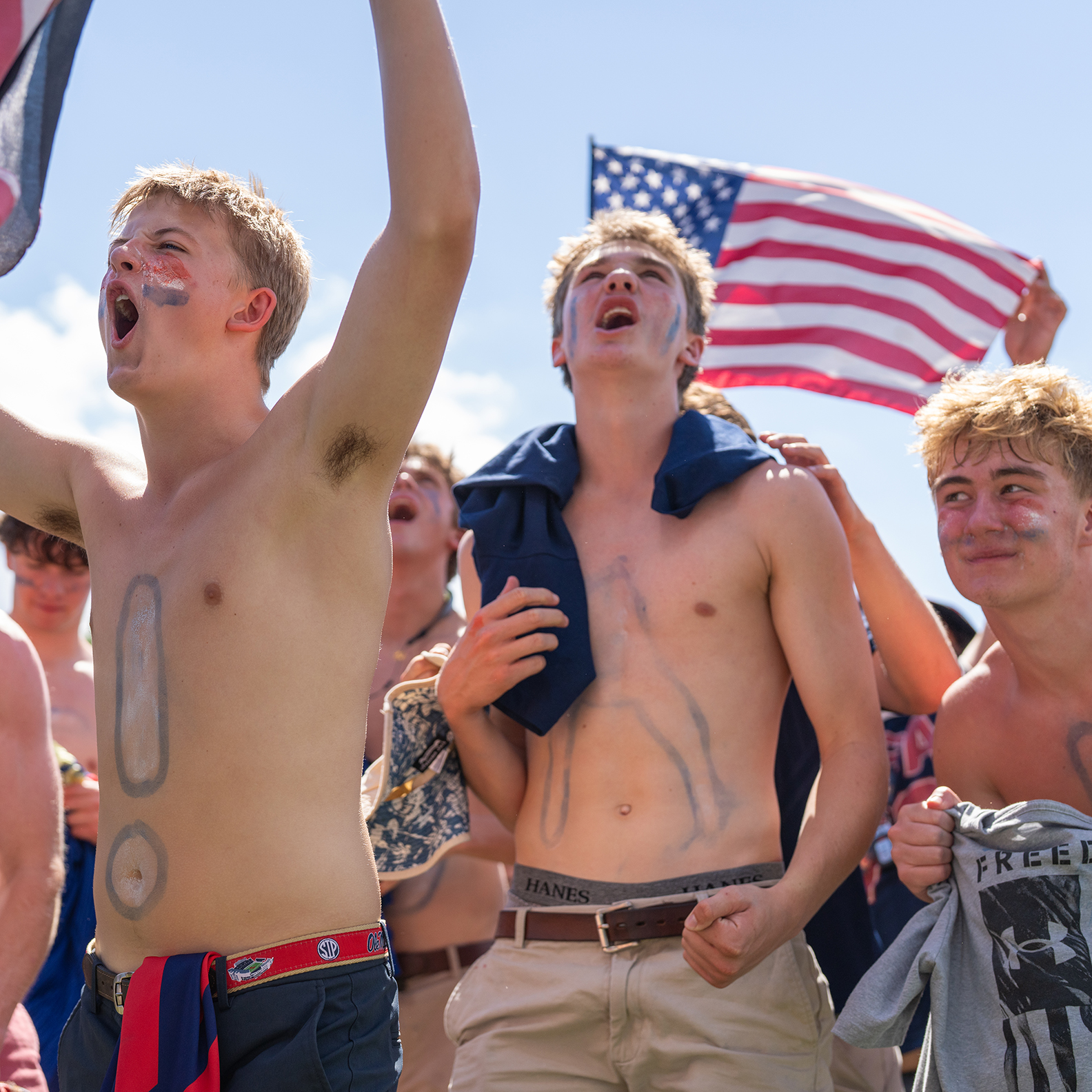
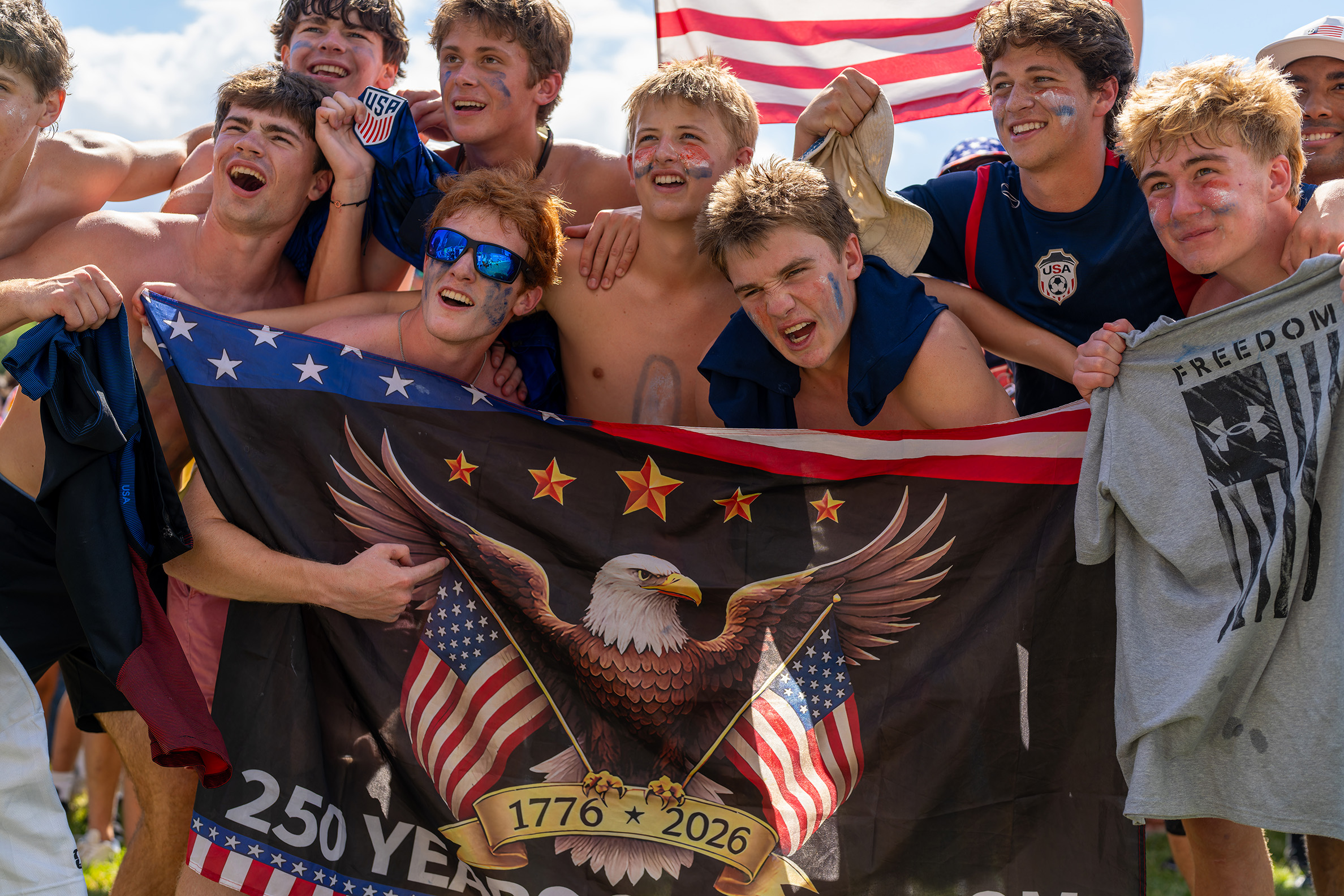
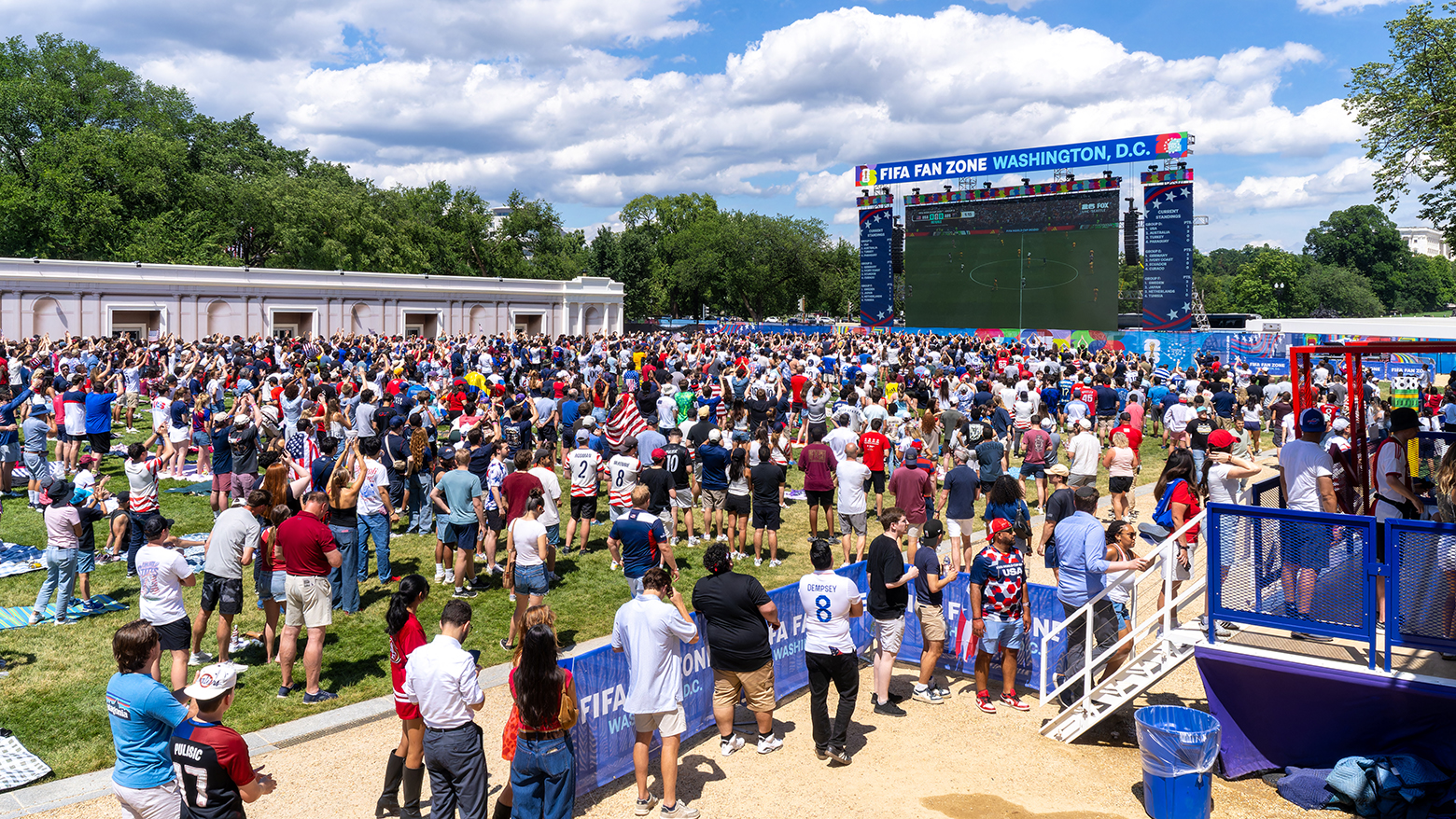
Thousands of miles from the stadium where the United States faced Australia on Friday, June 19, supporters gathered beneath the open sky in the nation’s capital, surrounded by American flags, soccer jerseys and some of the country’s most recognizable monuments. Every forward run brought the crowd closer to the giant screens. Every disputed call produced a wave of nervous conversation. And when the final whistle confirmed a 2–0 American victory, the Freedom 250 FIFA World Cup Fan Zone became more than a public viewing site.
For one afternoon, it felt like an outdoor national stadium.
The United States had won its second consecutive match of the 2026 FIFA World Cup, collected the full six points available from its opening two Group D games and guaranteed itself a place in the newly expanded Round of 32 with one group match still to play. It was an important competitive achievement for a team carrying the expectations that come with playing a World Cup on home soil—and an equally important emotional moment for supporters watching together in Washington.
The victory did not arrive through a single superstar performance. Christian Pulisic, one of the team’s most recognizable and influential players, was unavailable while recovering from a leg injury. Instead, the Americans relied on pressure, movement, depth and contributions from players across the lineup.
Folarin Balogun created the opening goal. Alex Freeman scored the second. Weston McKennie helped control the midfield. Chris Richards provided calm distribution from the back. Ricardo Pepi made his first World Cup start. Together, they delivered a result that moved the United States from hopeful host to confirmed knockout-stage participant.
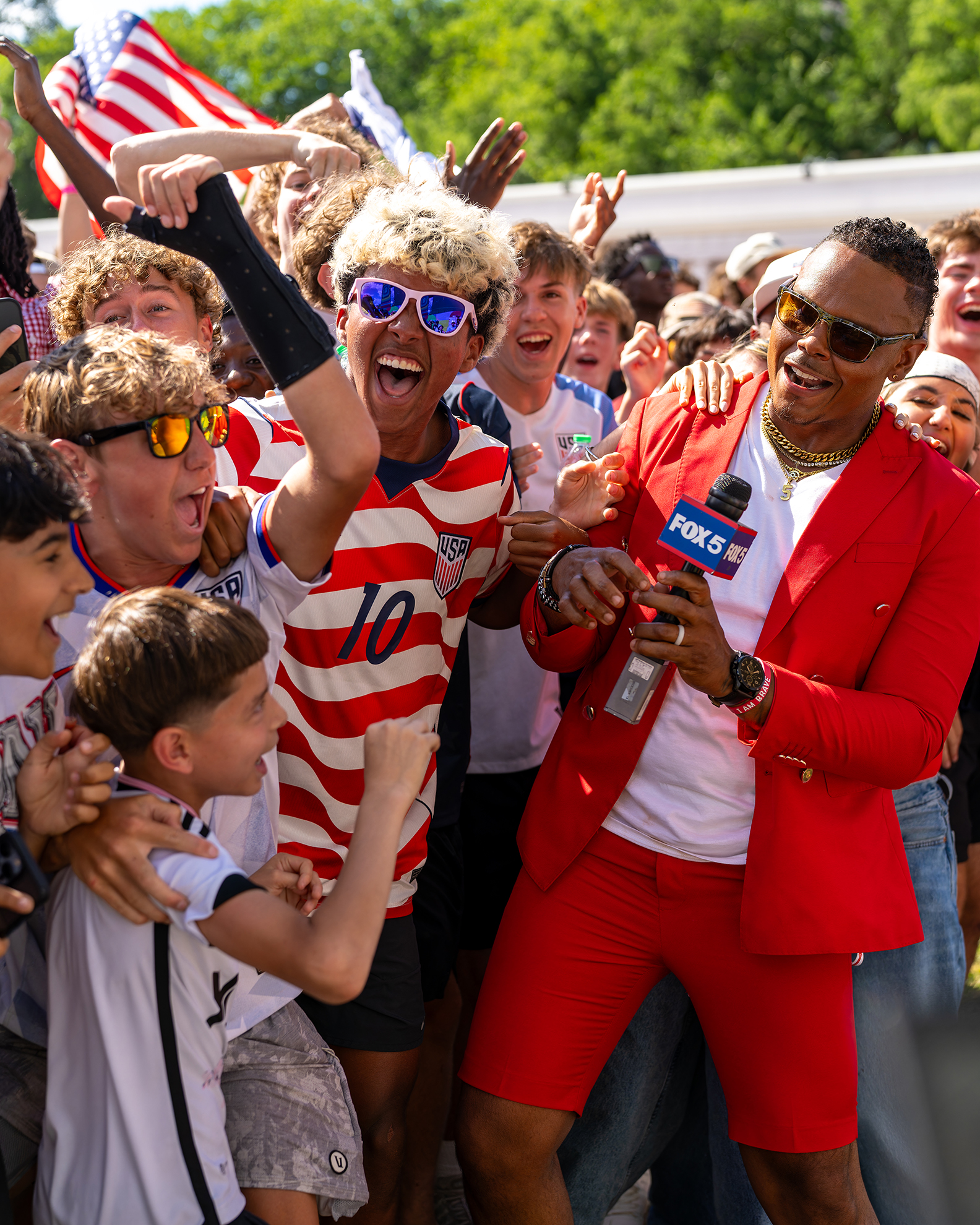

A World Cup Watch Party in America’s Front Yard
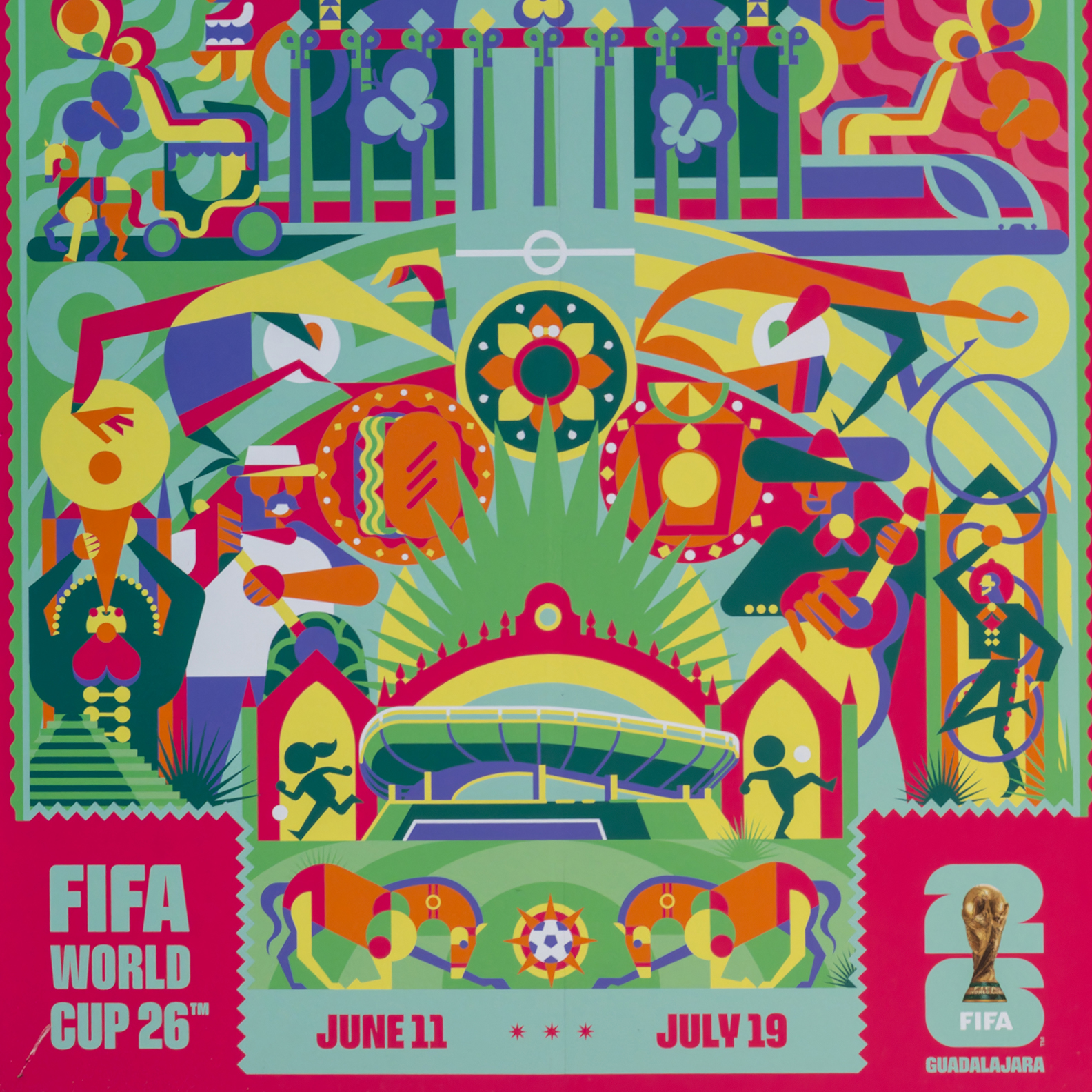
The FIFA World Cup 2026 Fan Zone Washington DC occupies a particularly symbolic piece of ground between Third and Fourth streets on the National Mall. It is free and open to the public, placing the global game within reach of residents, visitors, families and international supporters without requiring a stadium ticket.
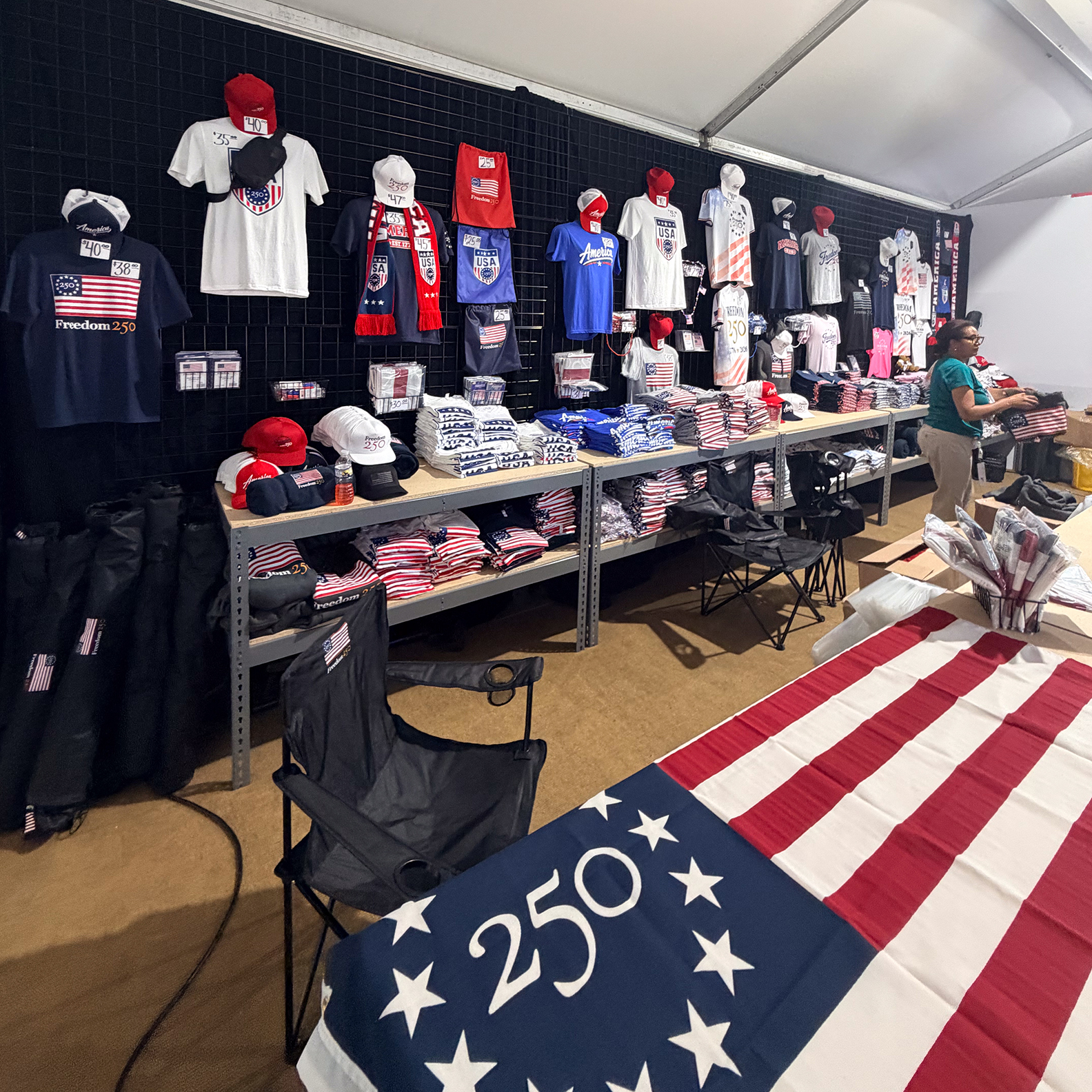
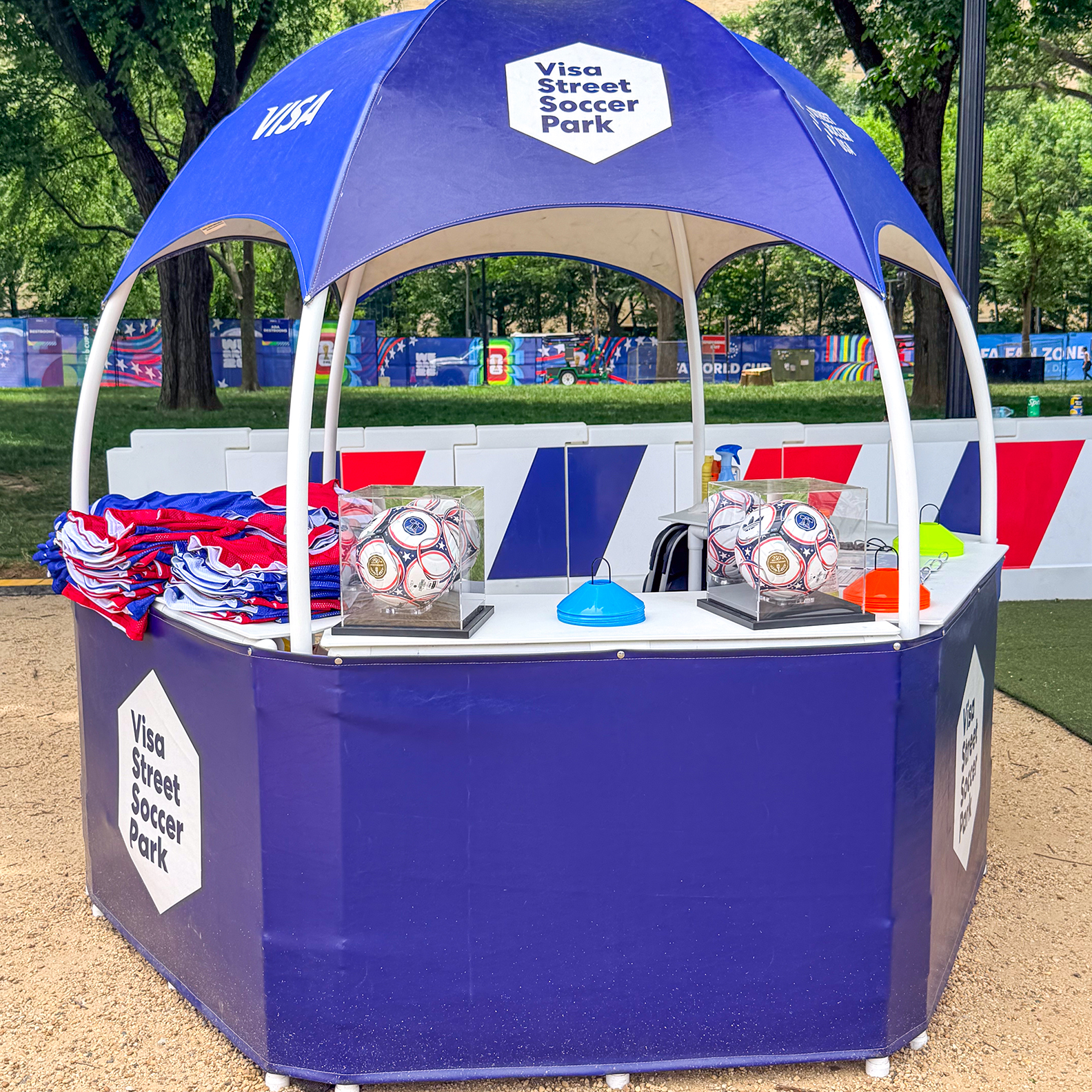
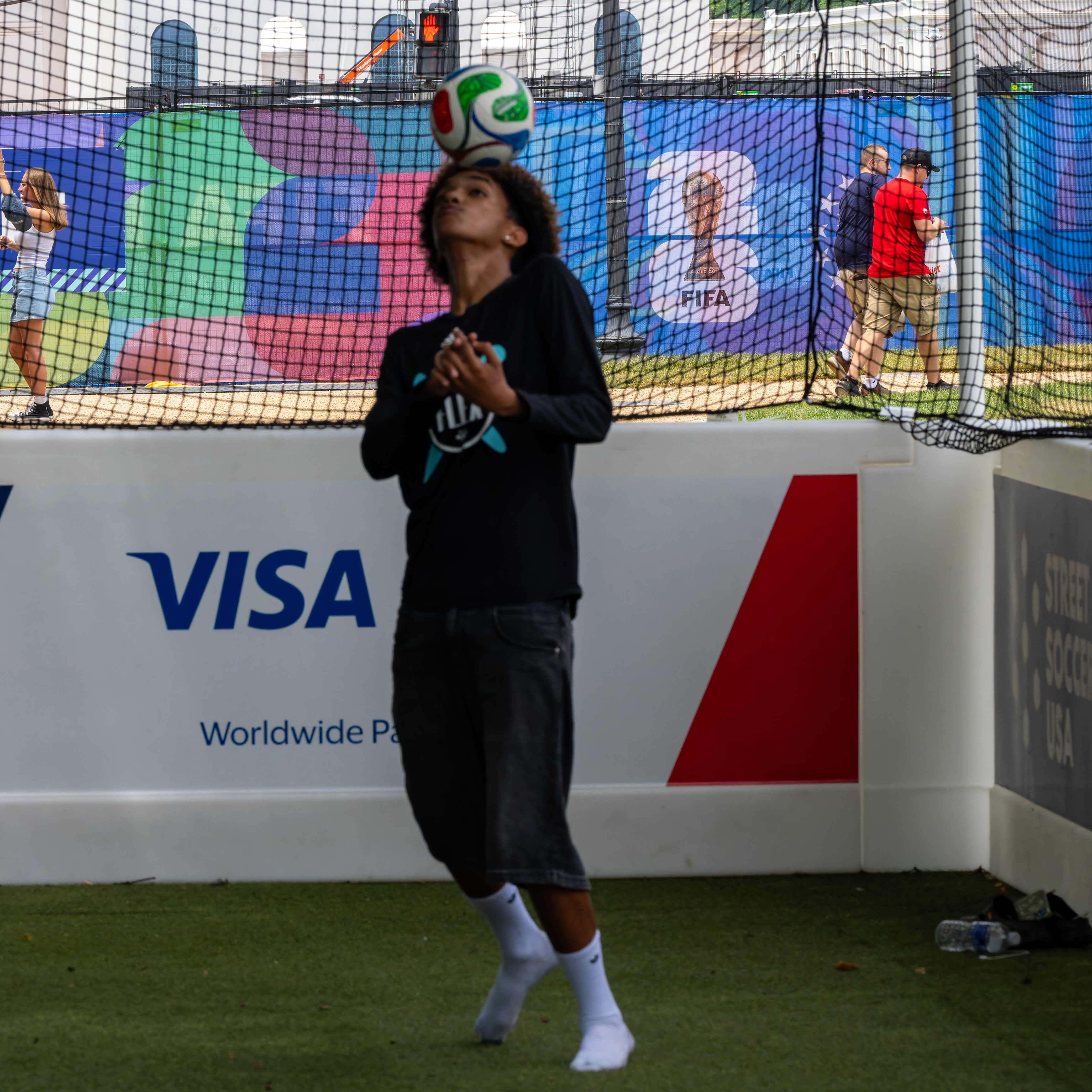
Running from June 11 through the tournament final on July 19, the Fan Zone combines live match broadcasts with interactive exhibits, youth programming, cultural presentations, music, food and family-oriented activities. Its placement in the capital also connects the World Cup with Freedom 250, the broader commemoration of the United States’ 250th anniversary.
That combination gives the Washington event a character different from an ordinary sports bar or neighborhood watch party. Visitors are not merely watching international soccer. They are doing so on a landscape associated with American history, public gathering and national identity.
As kickoff approached, the Fan Zone became a meeting point for longtime supporters, casual viewers, families introducing children to the World Cup and visitors wearing the colors of both competing nations.
Soccer often gains its power through collective reaction—the split second when an entire crowd recognizes a developing chance before the ball reaches the goal. On the Mall, that reaction moved through the audience in waves. The setting transformed a televised match into a shared civic experience.
An Aggressive American Start
Australia entered the match with three points after defeating Türkiye in its opening game, making the June 19 contest a meeting between the two early leaders of Group D. The United States had opened its campaign with a convincing 4–1 victory over Paraguay and knew another win would secure advancement before its final group fixture.
The Americans began with some early nervousness before settling into possession and imposing themselves on the match. Their pressure forced Australia into a compact defensive shape, but the United States found space through quick movement on the wings and aggressive runs behind the back line.
The breakthrough came in the 11th minute.
Antonee Robinson played a low ball forward to Balogun on the left. The striker accelerated past his defender, drove toward the six-yard area and sent a dangerous cross into the center. Australian defender Cameron Burgess attempted to intervene but redirected the ball into his own net.
Officially, it was an own goal. Functionally, it belonged to Balogun’s speed, timing and willingness to attack.
The moment also continued an unusual American trend. The United States had benefited from an own goal in its opening win against Paraguay and became the first team in World Cup history to benefit from own goals in consecutive matches.
That statistic is curious, but it should not be mistaken for simple luck. Own goals frequently begin with attacking pressure. Defenders make mistakes when runners force them to turn toward their own goal, crosses arrive in dangerous areas and hesitation becomes costly. Balogun created exactly that kind of problem.
“Washington is not a World Cup host city, but on June 19, the capital became part of the tournament.”Discover DC Now
Alex Freeman’s World Cup Moment
The second goal arrived shortly before halftime and initially came with confusion.
After the United States earned a free kick near the right side of the field, Robinson played the ball toward Sergiño Dest rather than sending a traditional cross directly into the penalty area. Dest’s shot struck a defender and looped high into the air. With Australian goalkeeper Patrick Beach off balance and out of position, Freeman followed the flight of the ball and headed it home from close range.
The assistant referee’s flag interrupted the celebration. The goal was initially ruled out for offside.
Then came the review.
When the decision was overturned and the goal awarded, the American bench poured forward in celebration. Freeman had his first World Cup goal, the United States had a 2–0 advantage and the National Mall had another reason to erupt.
Freeman became the sixth-youngest player to score a World Cup goal for the USMNT. It was also the first headed goal—and the first World Cup goal scored by an American defender—since 2014.
His emergence is one of the most compelling developments of the American campaign. World Cups inevitably create new national figures: players who may have been familiar to dedicated supporters but become widely recognized through one decisive moment. Freeman’s alertness, positioning and determination to pursue the loose ball gave him exactly that moment.
His reaction afterward captured the emotional scale of it. He described the experience as surreal and acknowledged the anxiety of waiting for the video review. It was the kind of sequence that compresses years of work into a few uncertain seconds.
The absence of Christian Pulisic was one of the major storylines before kickoff.
Pulisic’s ability to carry the ball, create chances and decide matches makes him central to the American attack. Removing a player of that importance usually changes the entire shape of a team. Yet against Australia, the United States did not collapse into caution.
Pepi stepped into the starting lineup for his first World Cup start. Balogun remained a constant threat. McKennie influenced the midfield. Tyler Adams and Malik Tillman helped maintain control, while Dest and Robinson pushed the attack from wider positions.
The result offered evidence of roster depth, although it did not eliminate every concern. The Americans were less forceful after halftime and created fewer threatening moments once they began protecting the lead. Australia improved after introducing Nestory Irankunda and Connor Metcalfe, but the Socceroos rarely applied enough sustained pressure to overturn the match.
That balance matters. The United States proved it could win without its most prominent attacking player, but stronger knockout-stage opponents may punish a second-half drop in intensity more severely.
Head coach Mauricio Pochettino emphasized the importance of the entire roster, not one individual. His point was direct: a team that genuinely hopes to advance deep into the tournament cannot depend on the availability or brilliance of a single player.
The Quiet Strength Behind the Scoreline
The attacking moments will dominate the highlight reels, but the American performance was also built on controlled possession and defensive organization.
Chris Richards completed 91 of 95 passes against Australia and successfully completed his first 100 pass attempts of the tournament before finally misplacing one. That level of efficiency helped the United States circulate the ball, reset attacks and prevent Australia from turning American mistakes into immediate counterattacks.
Veteran Tim Ream captained the team from central defense, bringing experience and positional discipline to a lineup containing several younger players. Goalkeeper Matt Freese recorded the shutout, while Freeman also contributed defensively by blocking a threatening Mathew Leckie cross during the first half.
The United States finished with 10 shots to Australia’s five and seven corner kicks to Australia’s four. Australia managed only two shots on target. The numbers reflect a match in which the Americans did not dominate every minute but controlled the phases that mattered most.
There were also World Cup debuts. Auston Trusty entered in the 80th minute to help close out the result, while Joe Scally appeared late after having been an unused substitute during the 2022 tournament.
Those details reinforce the central theme of the afternoon: this was a team victory built from more than the usual headline names.
Six Points and a Place in History
The victory moved the United States to six points through two matches, the highest group-stage point total the USMNT has ever recorded at a World Cup. It also marked the first time in the modern era that the American men had qualified for the knockout stage after only two group games.
The expanded 2026 tournament features 48 teams divided into 12 groups of four. The top two teams in each group advance, joined by the eight best third-place finishers, creating a 32-team knockout field.
For the United States, qualification was guaranteed by the victory over Australia. Later results confirmed that the Americans would also finish first in Group D, strengthening their position heading into the elimination rounds.
The final group match against Türkiye therefore carries a different kind of pressure. Advancement is secure, but rhythm, player health, lineup decisions and competitive sharpness remain important. Tournament momentum can be fragile, and teams that coast through a final group game sometimes struggle to regain intensity when elimination soccer begins.
The Americans are scheduled to begin the Round of 32 on July 1 at the San Francisco Bay Area Stadium, facing a qualifying third-place team from one of several designated groups. The opponent will not be known until the remaining group-stage results settle the bracket.
More Than a Score on the Mall
Washington is not one of the tournament’s official host cities, but the National Mall Fan Zone allows the capital to participate in the World Cup on a major public scale.
That matters because the tournament is larger than the stadiums in which its 104 matches are played. It unfolds in plazas, parks, restaurants, neighborhood gatherings and public viewing sites where supporters experience the emotional rise and fall of each game together.
The Fan Zone also connects the international identity of Washington with the international reach of soccer. Embassies, visitors and communities from across the world give the region a natural connection to a tournament involving dozens of nations and cultures.
On June 19, however, the dominant colors were red, white and blue.
The crowd watching from the Mall saw a team answer an important question. Could the United States follow an emphatic opening victory with another disciplined performance? Could it manage the absence of Pulisic? Could emerging players handle the scale of a home World Cup?
Against Australia, the answer was yes.
The harder questions are still ahead.
Final Word
The United States has not reached its ultimate goal simply by advancing from Group D. A place in the Round of 32 is the minimum step required for a host nation with serious ambitions. Knockout soccer will demand greater consistency, sharper execution and the ability to respond when the match turns against the Americans.
But June 19 still deserves to be remembered.
The United States won without its biggest star. Balogun forced the opening. Freeman seized his moment. The defense protected the lead. A roster rather than a single player carried the result.
And in Washington, beneath monuments built to preserve the country’s history, supporters gathered to watch a new piece of American soccer history take shape.
The United States is through.
For the crowd on the National Mall—and for a team beginning to understand what a home World Cup can become—that was reason enough to celebrate.