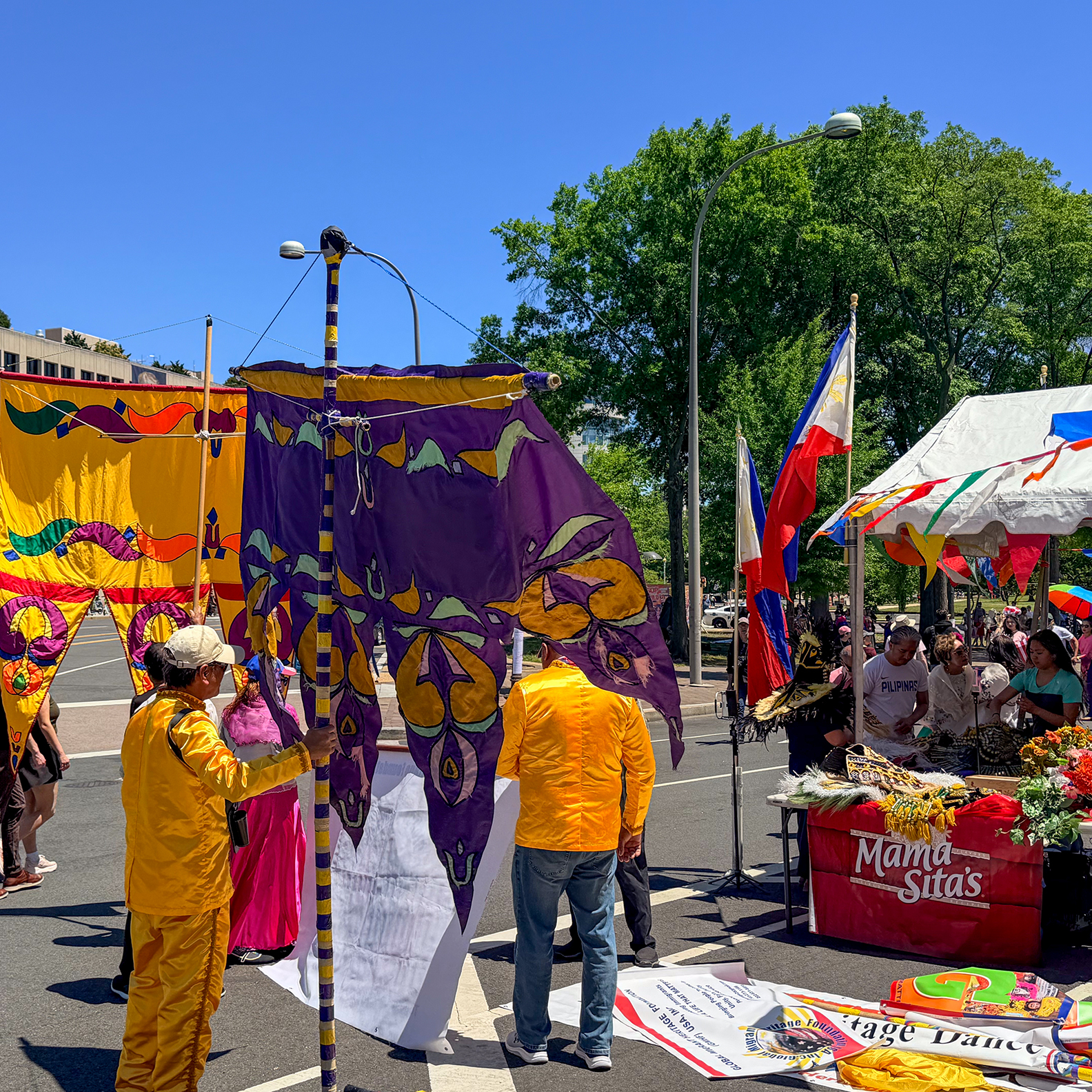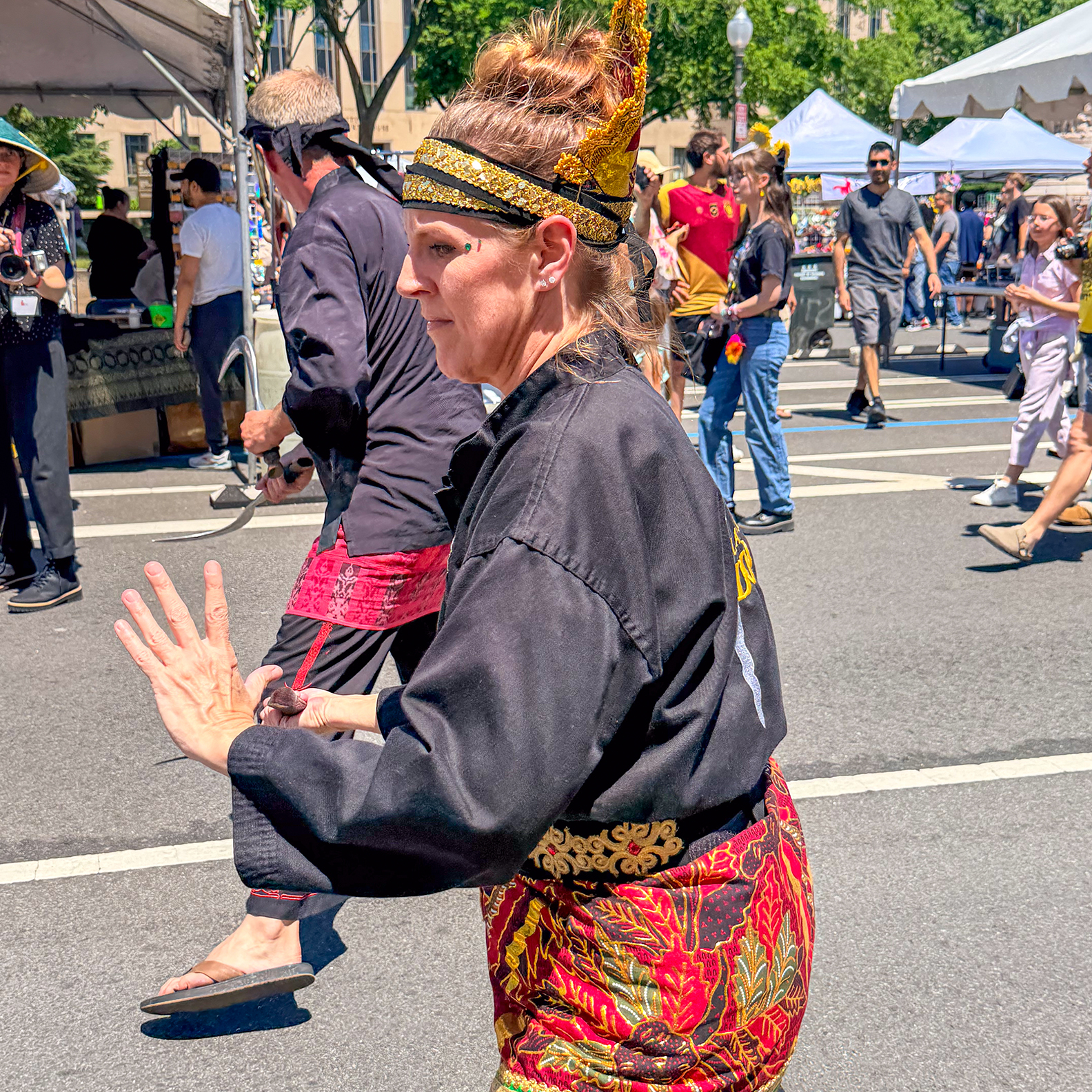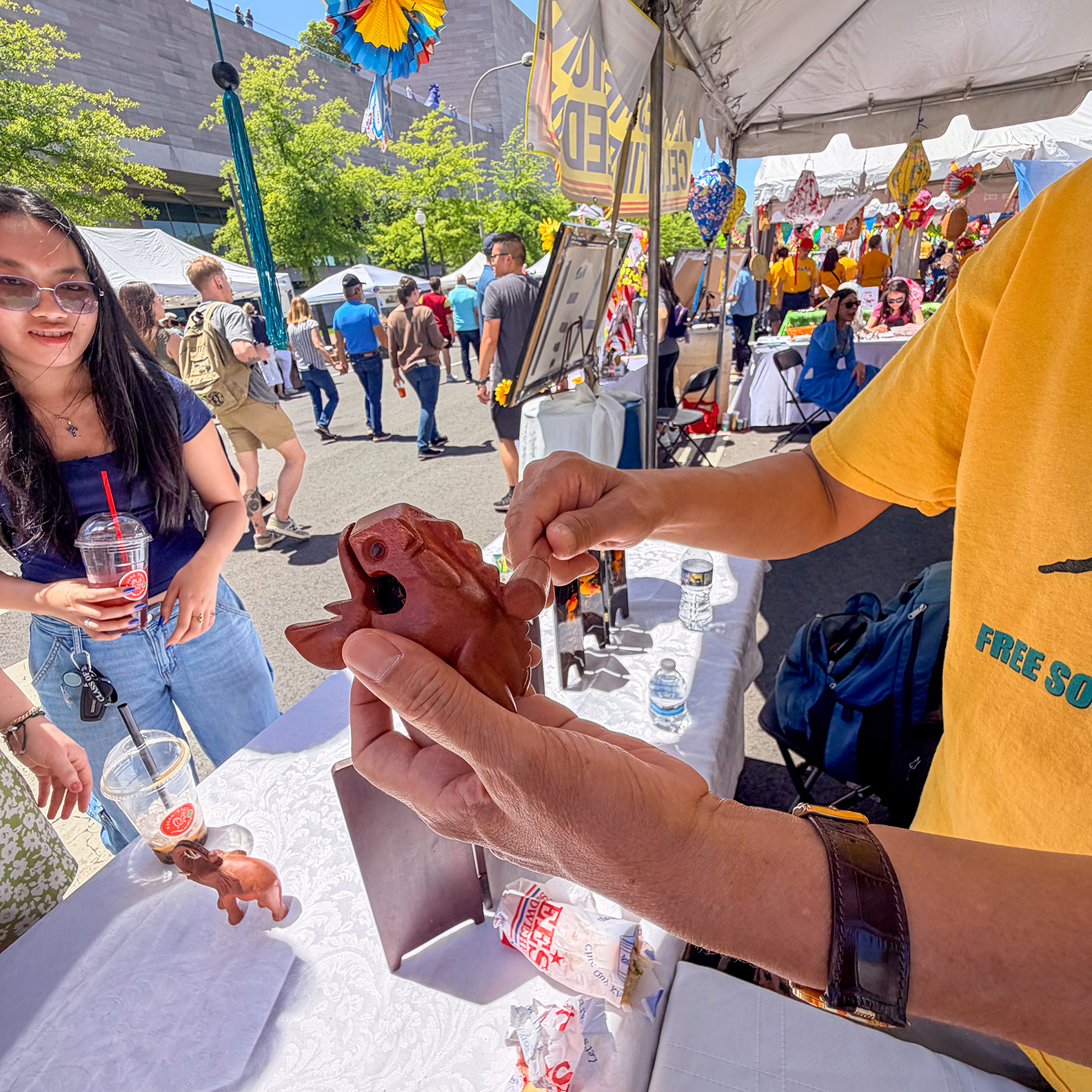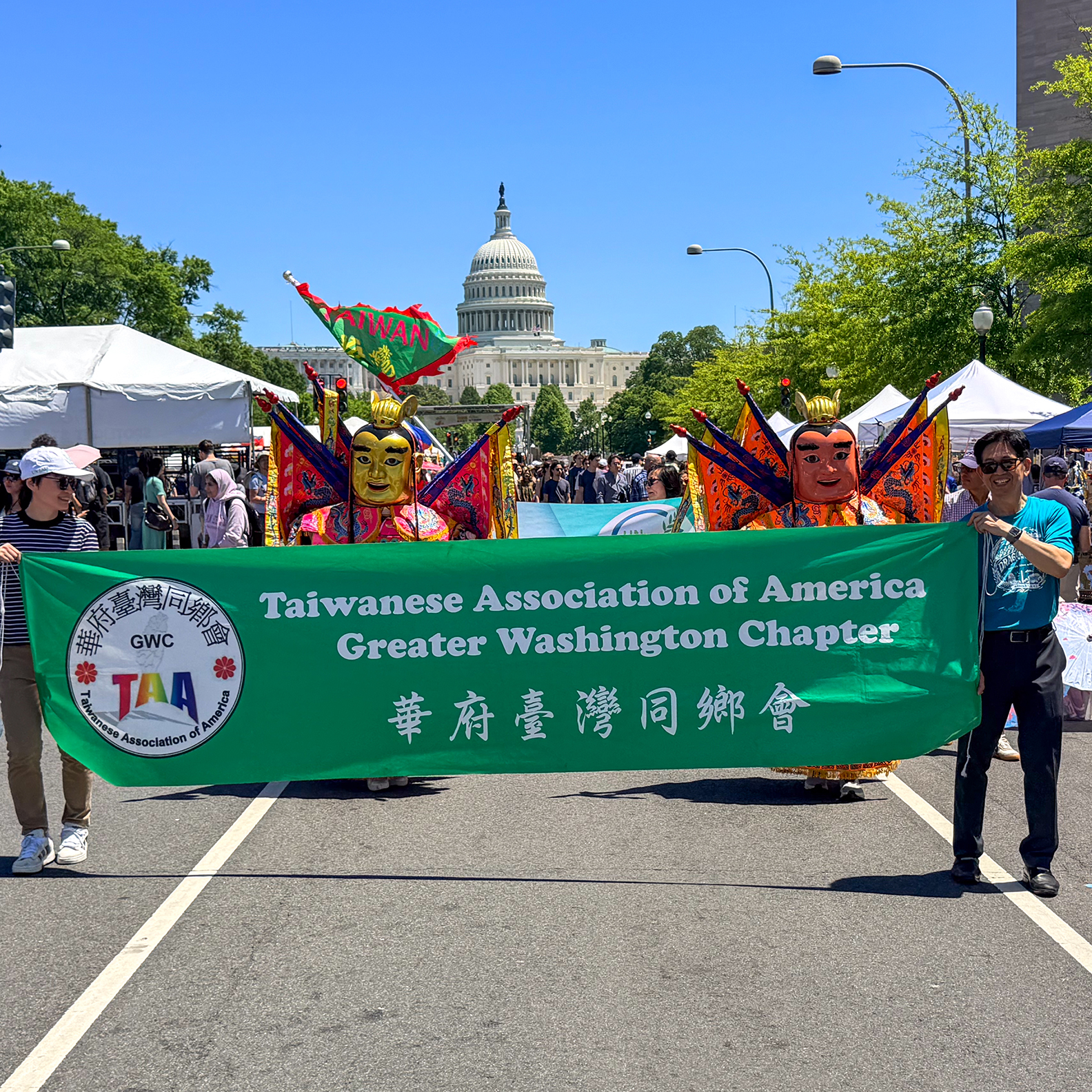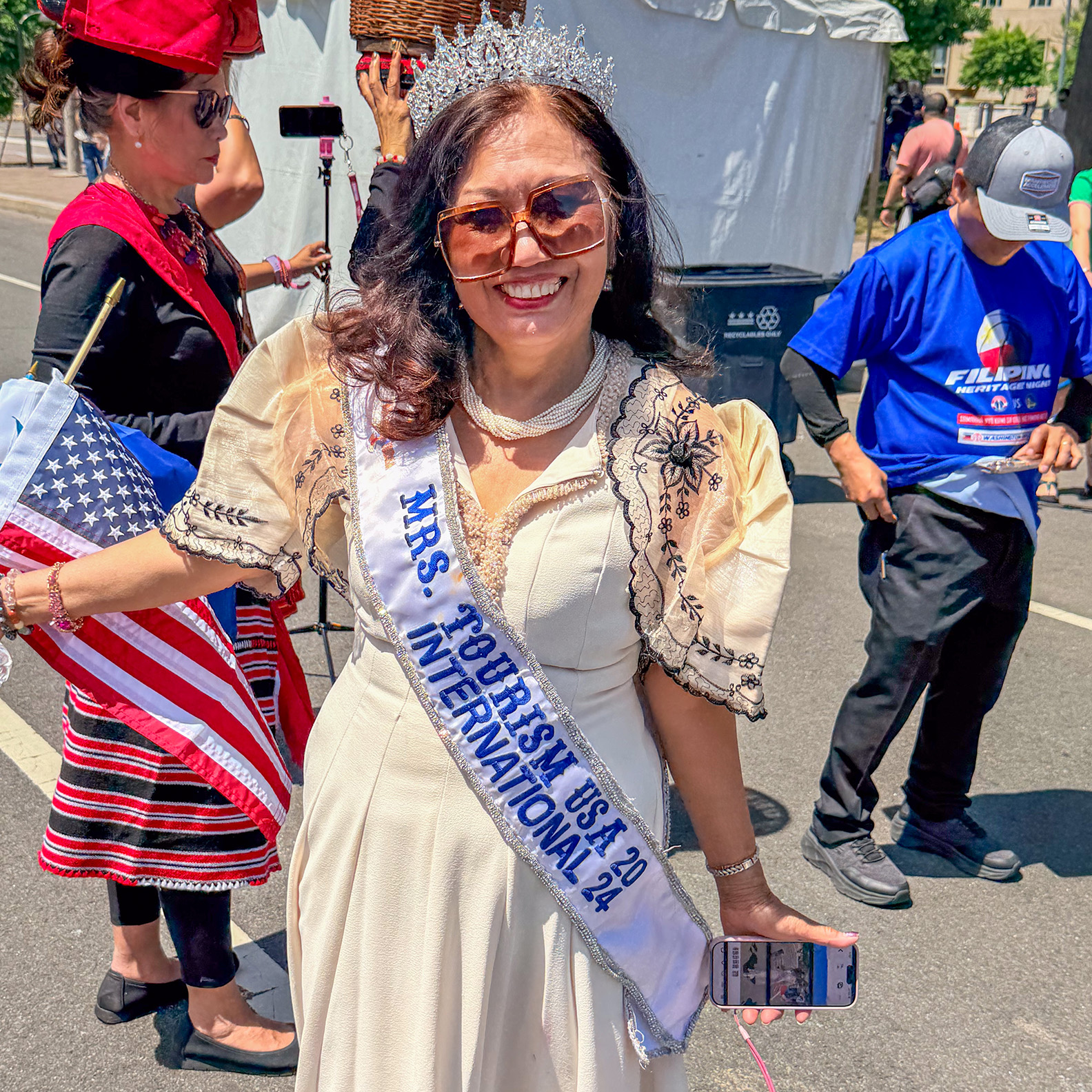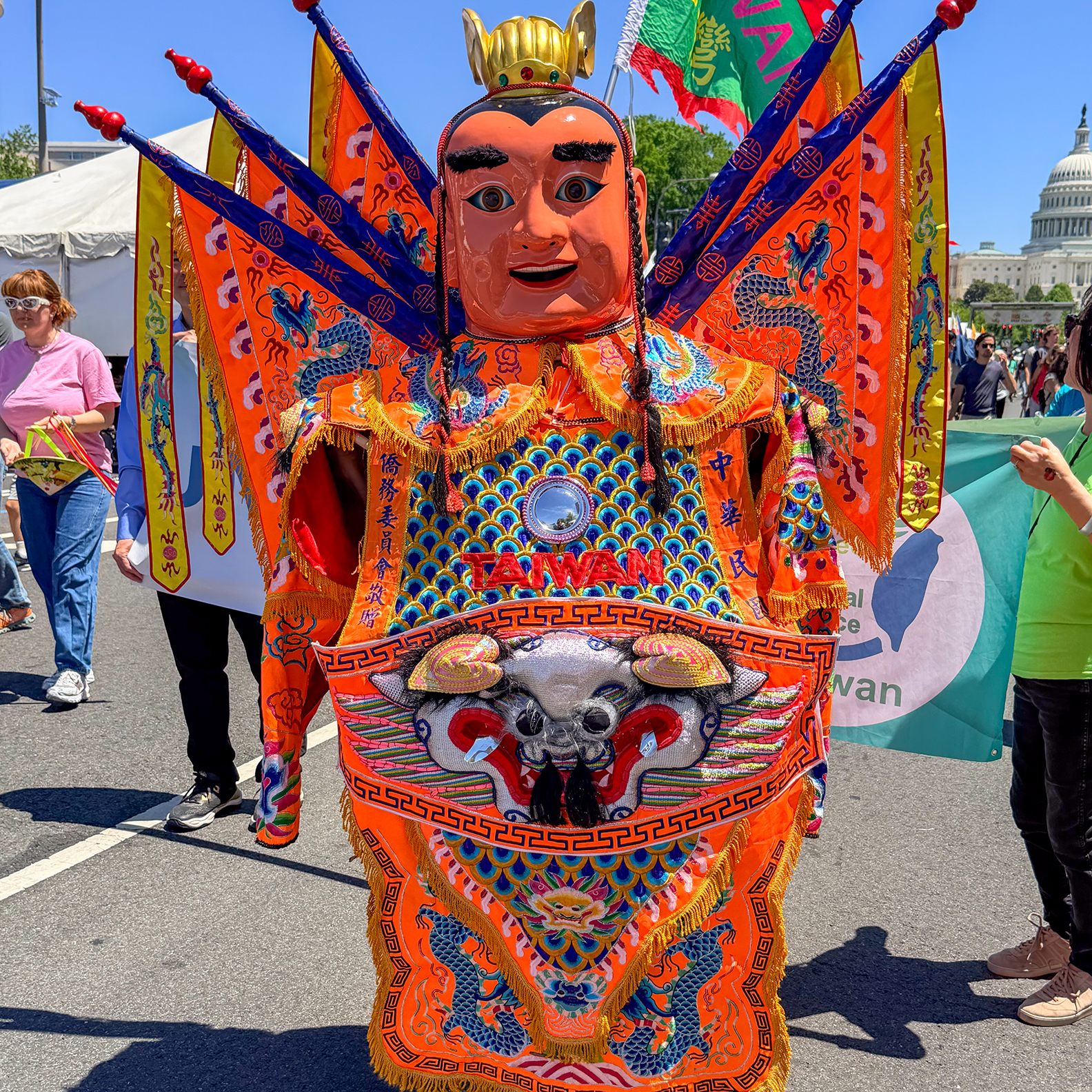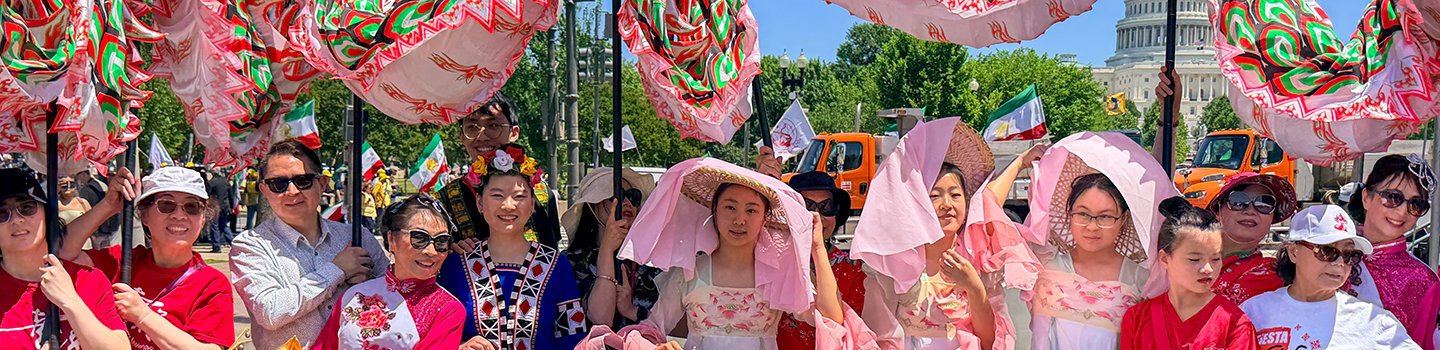
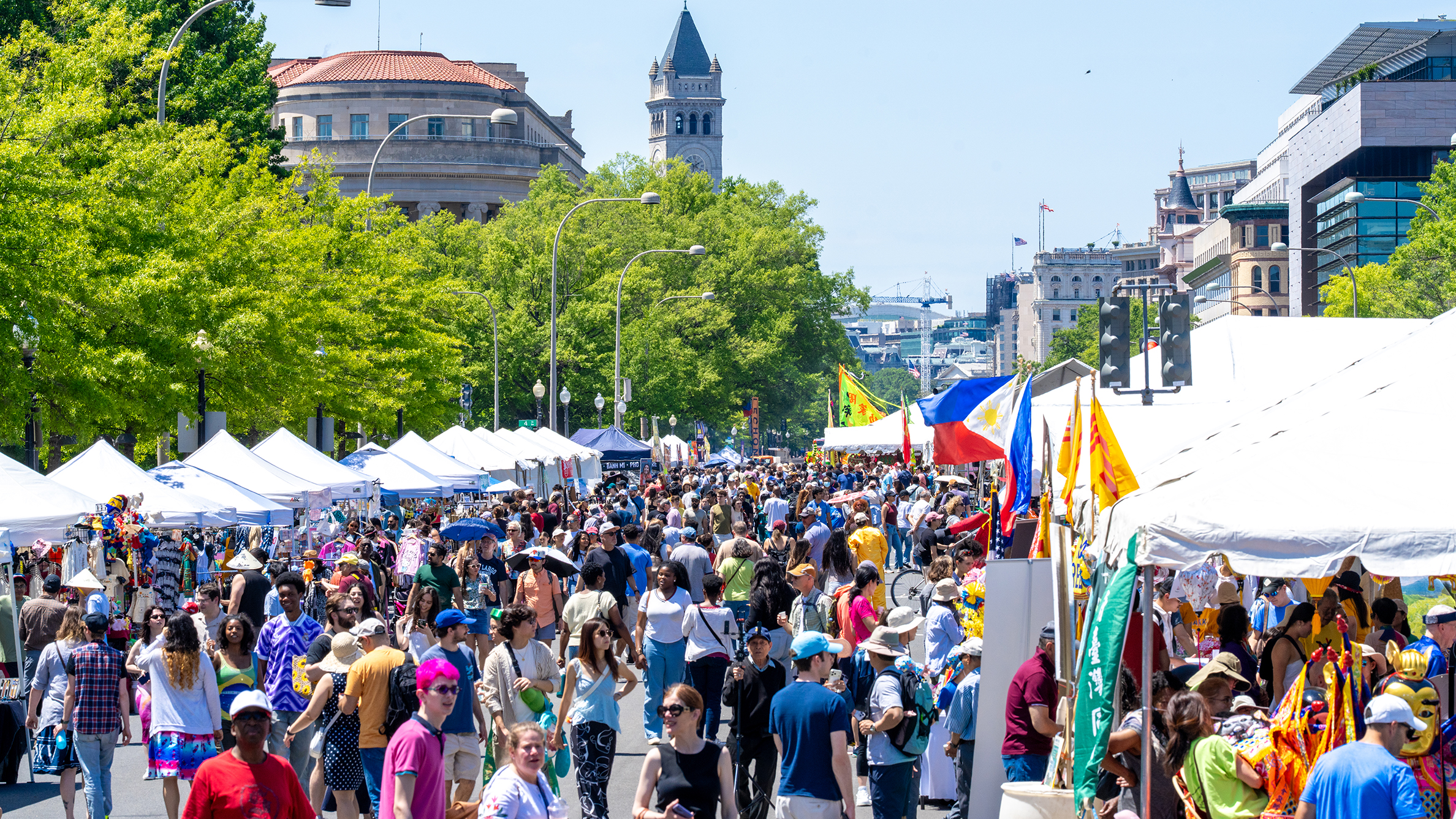
On Saturday, May 16, 2026, Pennsylvania Avenue NW carried a different kind of rhythm. Between 3rd and 6th Streets, one of Washington, DC’s most symbolic corridors became a bright, moving celebration of Asian heritage — full of dancers, musicians, martial artists, families, food vendors, crafts, cultural demonstrations, and the unmistakable pulse of a city that knows how to gather.
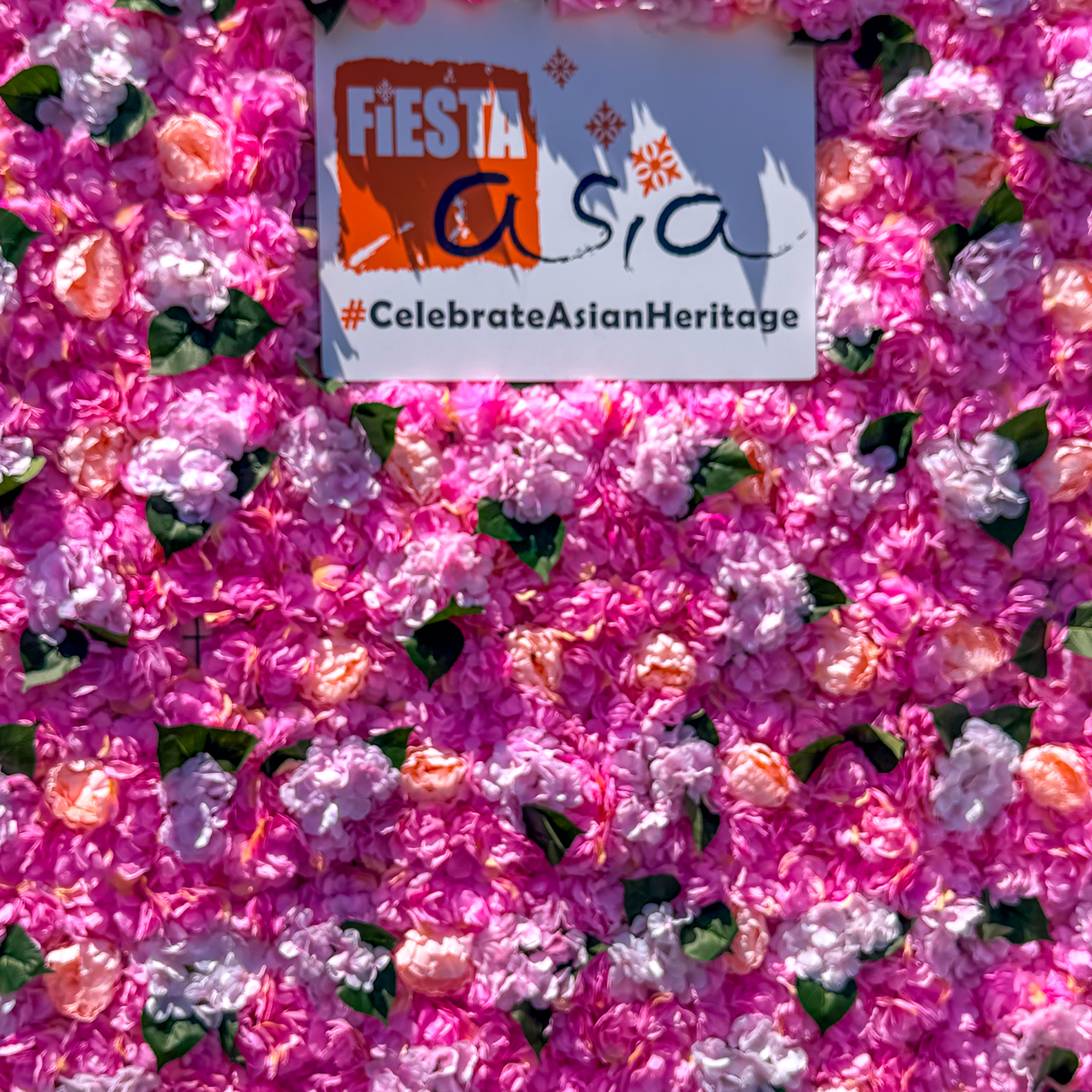
Fiesta Asia, held as part of the National Asian Heritage Festival, returned to downtown DC for its 21st year, bringing together more than 1,000 performers, artisans, and vendors for a full day of celebration. The event was free to attend and centered on Pennsylvania Avenue NW, with programming scheduled from late morning through evening.
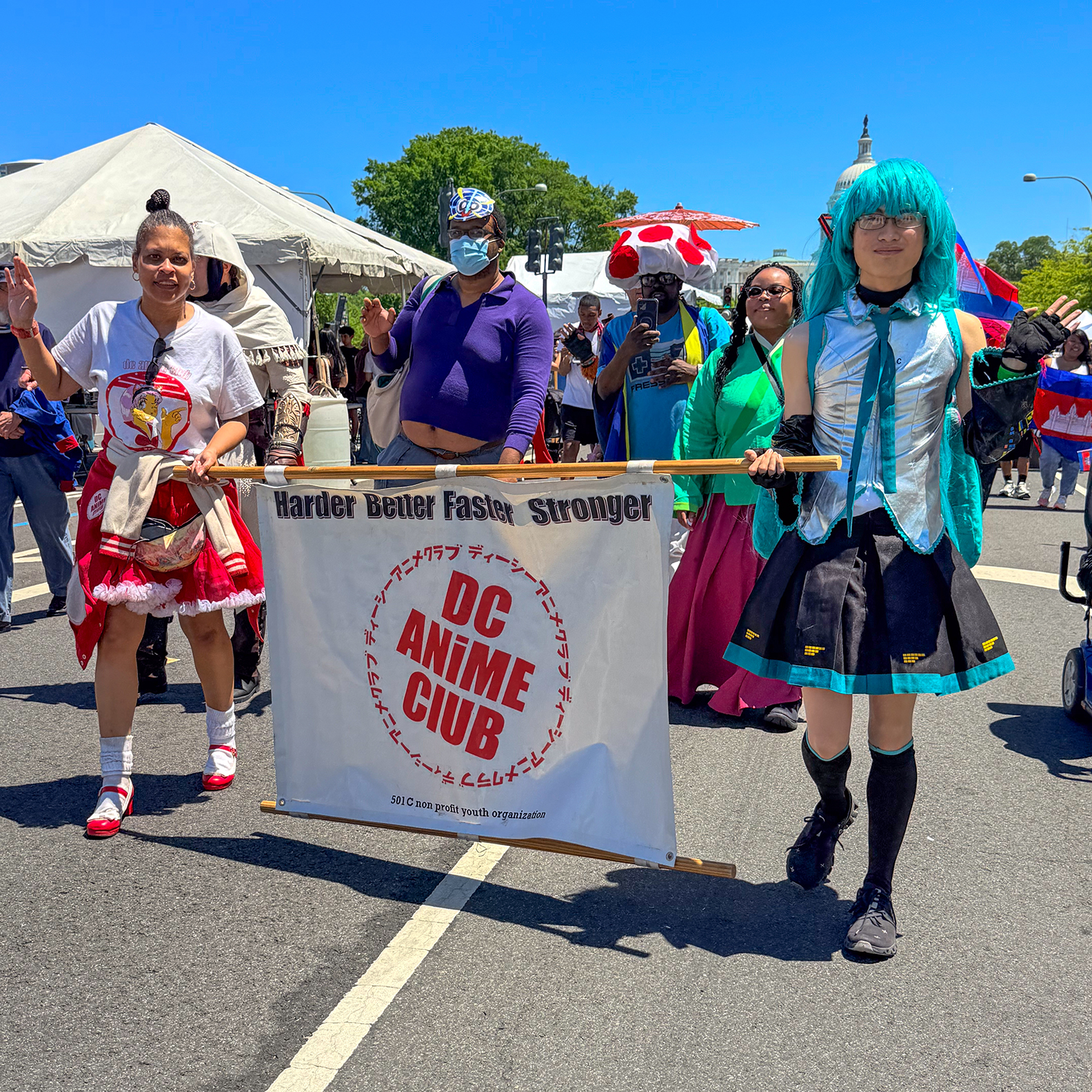
This was not a quiet festival tucked away in a corner of the city. Fiesta Asia took over the street with color and sound. It moved through the day in waves: stage performances, cultural parade moments, family activities, open dance classes, food experiences, crafts, cosplay, trivia, and interactive performances. For visitors, it offered the simple pleasure of walking a few blocks and encountering something new every few steps. For Washington, it served as a reminder that the region’s Asian communities are not one story, one cuisine, one language, or one tradition — they are many, layered together.
More Than a Festival: A Monthlong Celebration
Fiesta Asia is hosted by the Asia Heritage Foundation as part of Asian Heritage Month programming. The organization describes the festival as a way to share, celebrate, and promote the diversity of Asian heritage and culture through arts, traditions, education, cuisine, and everyday life represented across the Washington metropolitan area and beyond.
That mission matters. May is Asian American, Native Hawaiian, and Pacific Islander Heritage Month in the United States, a national observance honoring the contributions and histories of AANHPI communities. The month traces its roots to Asian/Pacific American Heritage Week, first established for the seven-day period beginning May 4, 1979; Congress later expanded the observance, and May was permanently designated as Asian/Pacific American Heritage Month in 1992
The timing of May is historically significant. It includes the anniversary of the first Japanese immigrants’ arrival in the United States on May 7, 1843, and the completion of the transcontinental railroad on May 10, 1869, a project built in large part by Chinese immigrant laborers.
“Fiesta Asia works because it treats culture as something alive — something you hear, taste, dance with, and carry home.”Discover DC Now
The Setting: Pennsylvania Avenue as Cultural Stage
There is something powerful about Fiesta Asia’s location. Pennsylvania Avenue is one of the most recognizable streets in Washington, DC. It is associated with parades, protests, civic ceremony, national history, and public gathering. For one day in May, it became a shared cultural stage.
The official festival footprint ran along Pennsylvania Avenue NW between 3rd and 6th Streets, near Judiciary Square and within walking distance of the National Mall, museums, federal buildings, and downtown attractions. DowntownDC listed Judiciary Square Station on the Red Line as the recommended Metro stop.
That placement gave the event a distinctly Washington feel. Fiesta Asia was not simply entertainment; it was a public celebration of identity in the heart of the capital. Visitors could move from a performance stage to a food vendor, from a craft pavilion to a parade moment, from a children’s activity to a martial arts demonstration, all with the city’s monumental architecture in the background.
The practical impact was real, too. DC officials issued traffic and parking restrictions for the National Asian Heritage Festival, with emergency no-parking zones and street closures in the area on May 16. Pennsylvania Avenue between 7th and 3rd Streets NW and nearby portions of Constitution Avenue and 4th Street were among the affected streets.
For anyone attending in future years, that is the lesson: take Metro, arrive early, wear comfortable shoes, and treat the day as a walking festival.
Fiesta Asia 2026 featured more than 1,000 performers, artisans, and vendors; multiple stages and pavilions; cultural performances; Pan-Asian food; family crafts; interactive dance classes; cosplay; trivia; and dragon/lion dance energy throughout the day.
A Festival Built on Performance
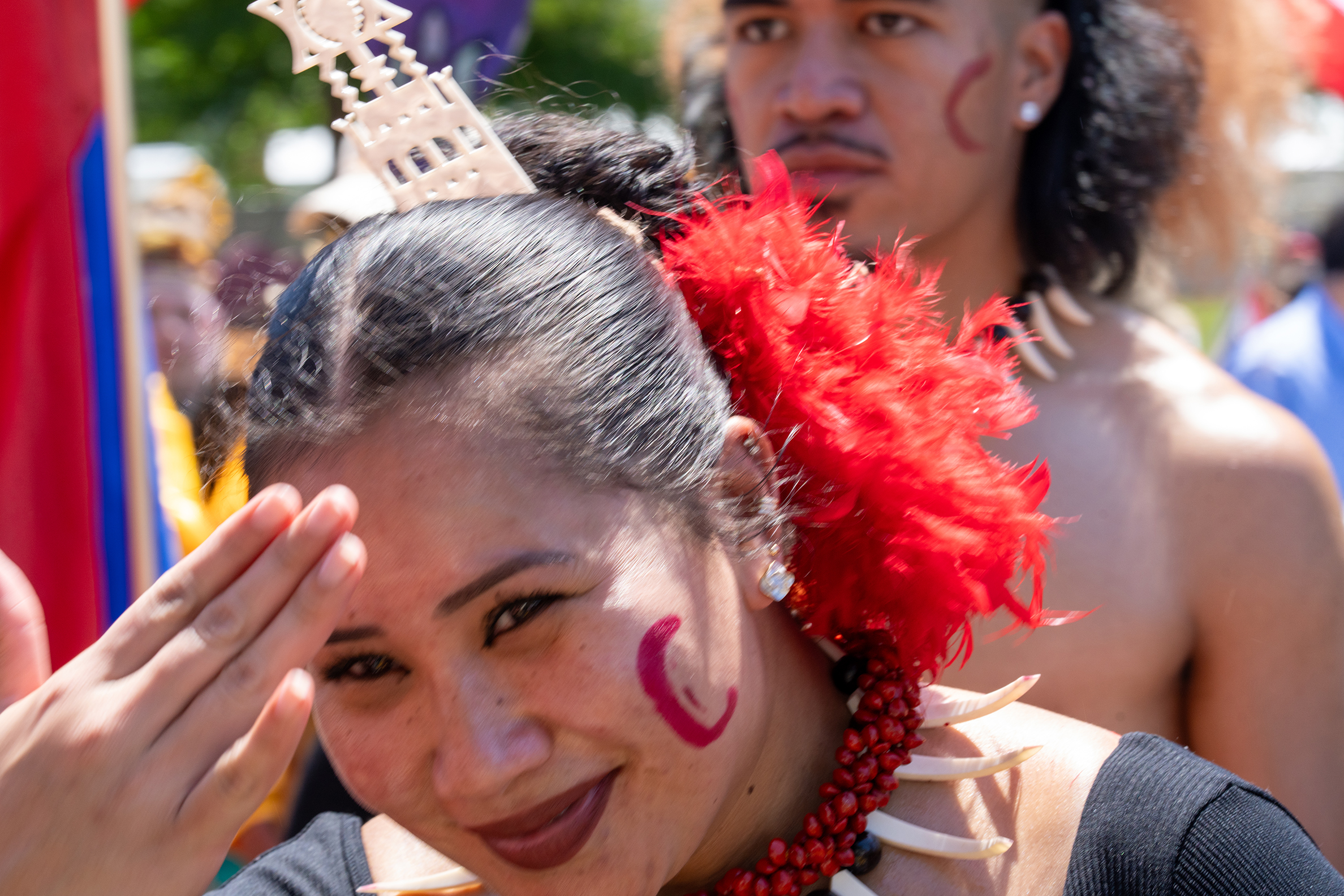
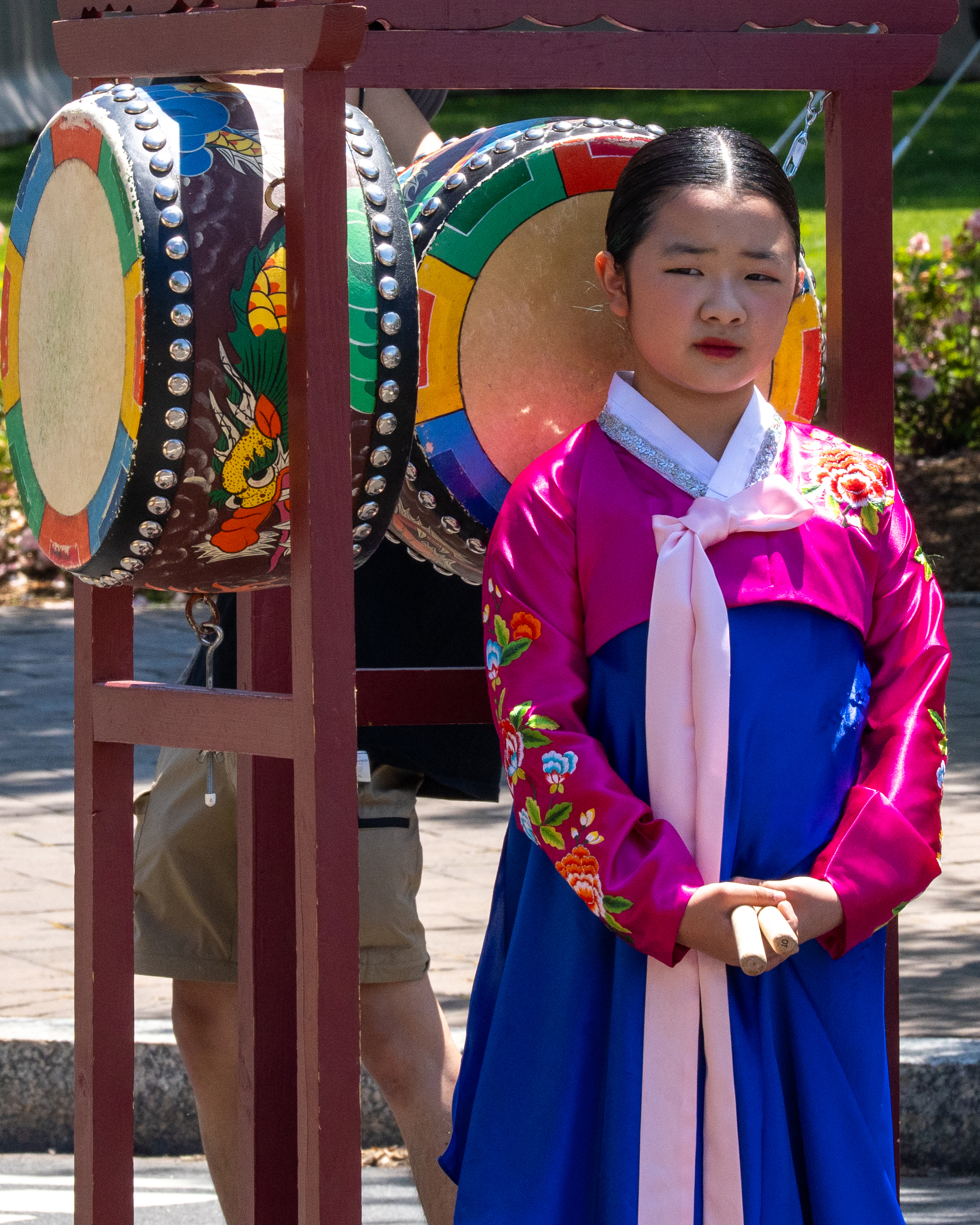
Fiesta Asia’s strongest visual language is performance. The 2026 program included multiple stages and a wide range of cultural groups, with dance, music, martial arts, and interactive showcases throughout the day. The official lineup featured groups representing traditions connected to places including Burma/Myanmar, Azerbaijan, Bali, India, Samoa, Korea, China, Vietnam, Mongolia, Cambodia, Indonesia, Polynesia, Thailand, and more.
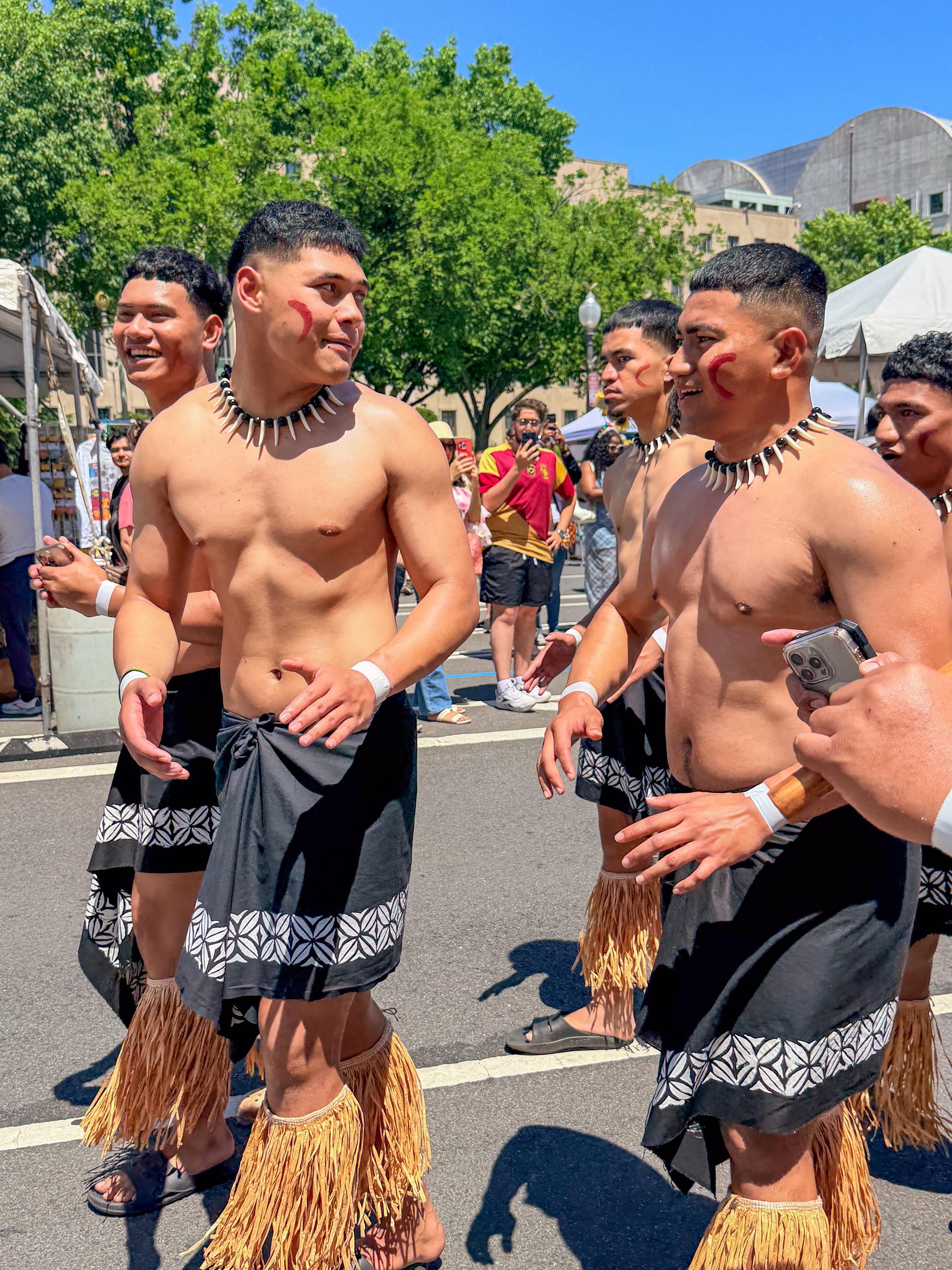
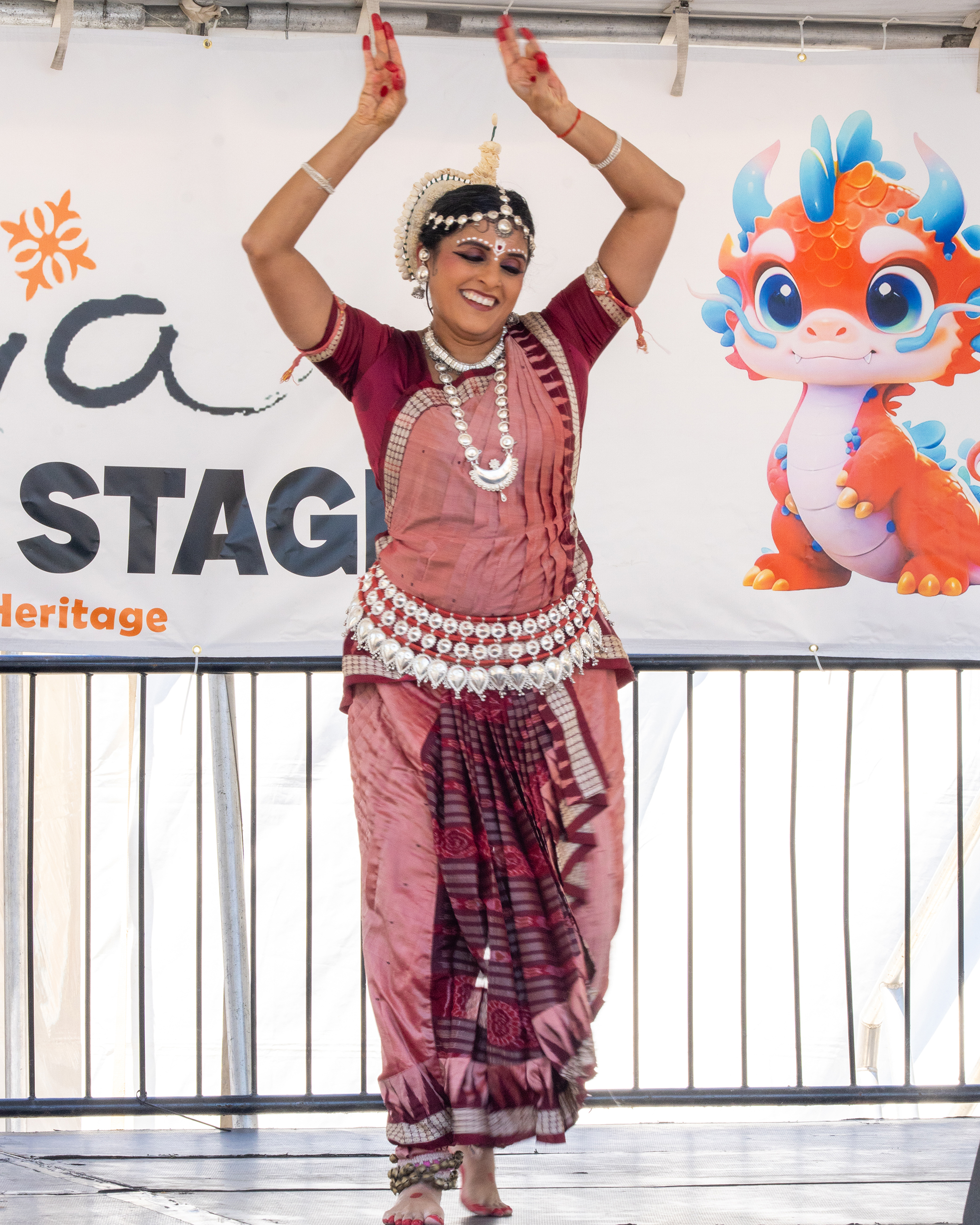
That range is exactly what makes the festival worth covering as a DC event. Many cultural festivals succeed because they focus deeply on one national tradition. Fiesta Asia succeeds differently: it creates a Pan-Asian gathering where visitors can experience many traditions side by side.
At the East Stage, the day’s lineup included groups such as Padauk Yein, Silver Light Seniors Association, Buta Azerbaijan Dance Club, Bali Jegeg, Nritya Mandap Dance Academy, Toeolenuu mai Salafai, Hasang Korean School Dance Team, Fairfax Chinese Dance Troupe, Vietnamese Americans Celebrating Freedom, DC Mongolian Dance, Cambodian Buddhist Society Cultural Committee, Nusantara Budaya, Tepua Hio Hio Polynesian Entertainment, Burmese Chin Cultural Dance, Greater Washington Chinese Dance, and others.
On the Central Stage, the festival opened with a Cosplay Catwalk and moved through Indian classical and contemporary dance, cultural parade moments, open classes, and community performances. The result was a day that did not feel static. Fiesta Asia was constantly resetting itself: new costumes, new rhythms, new instruments, new languages, new dance forms.
“The beauty of Fiesta Asia is not only in the performances; it is in the way the performances keep changing the street.”
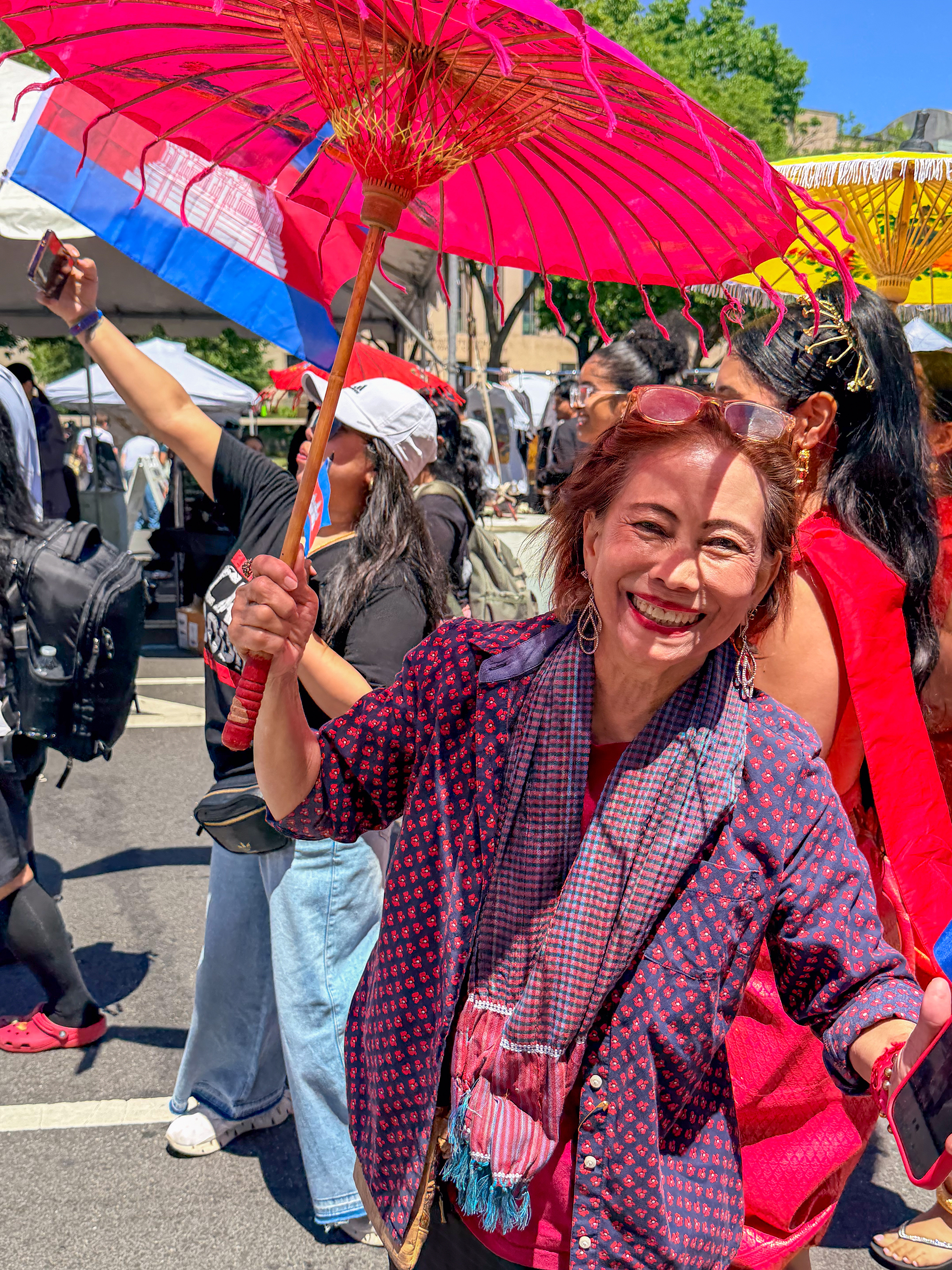
Interactive Culture: Learn, Join, Try
The best festivals do not keep visitors behind an invisible rope. Fiesta Asia 2026 leaned into participation. The official highlights included open classes such as “Learn to Dragon Dance,” Manu Siva Tau, Doonya Bollywood Dance, Fiesta Asia Yo-Yo Interactive, Filipino Pop, and Tinikling Bamboo Dance.
That matters because participation changes the tone. A visitor who watches a performance may admire it. A visitor who tries a step, lifts a dragon, joins a line dance, or learns a traditional rhythm leaves with a different kind of memory.
The festival also included interactive moments such as a cooking contest at Umami Square, Malaysian line dancing, a cultural parade, a trivia game called “So You Think You Know Asia,” and a dance cypher with Slimboogie Shae.
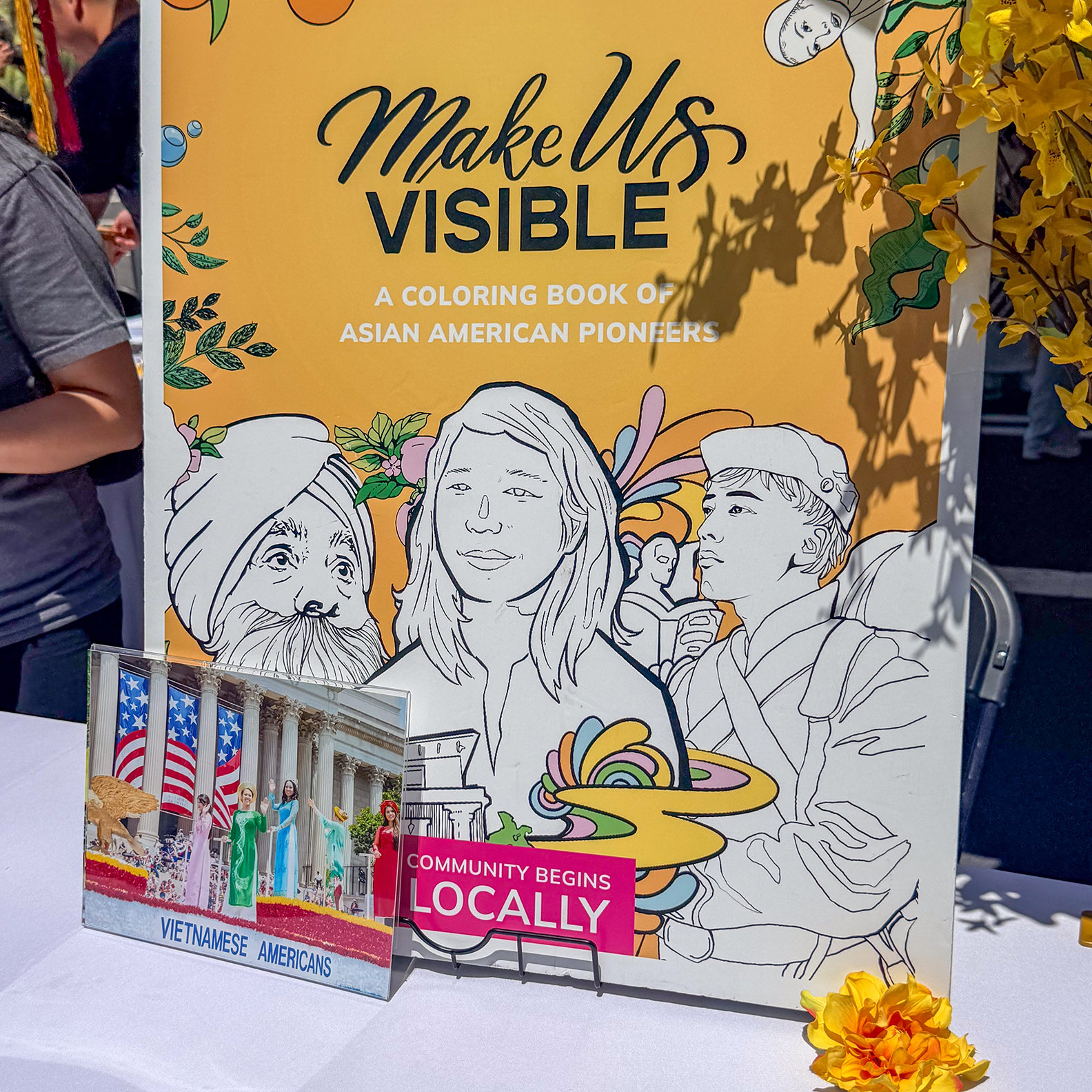
For families, Fiesta Asia offered an especially smart mix. The children’s programming included all-day coloring and crafts, constructing a Filipino parol, creating peace lanterns for a Lantern Wall, taking a selfie with “Pinky the Lion,” and spinning the “Wheel of Culture.”
That is how a large festival becomes approachable. Parents can come for food and music. Children can make something. Teens can gravitate toward cosplay, dance, or social-media-friendly moments. Older visitors can enjoy stage performances, crafts, and cultural exhibits. The day does not require everyone to experience it the same way.
- Go early if food is a priority.
- Expect lunch lines to build between noon and 3 p.m.
- Bring a packable chair if you want to spend time near performances.
- Do not treat the festival like a one-hour stop. It is built for wandering.
The Dragon and Lion Dance Energy
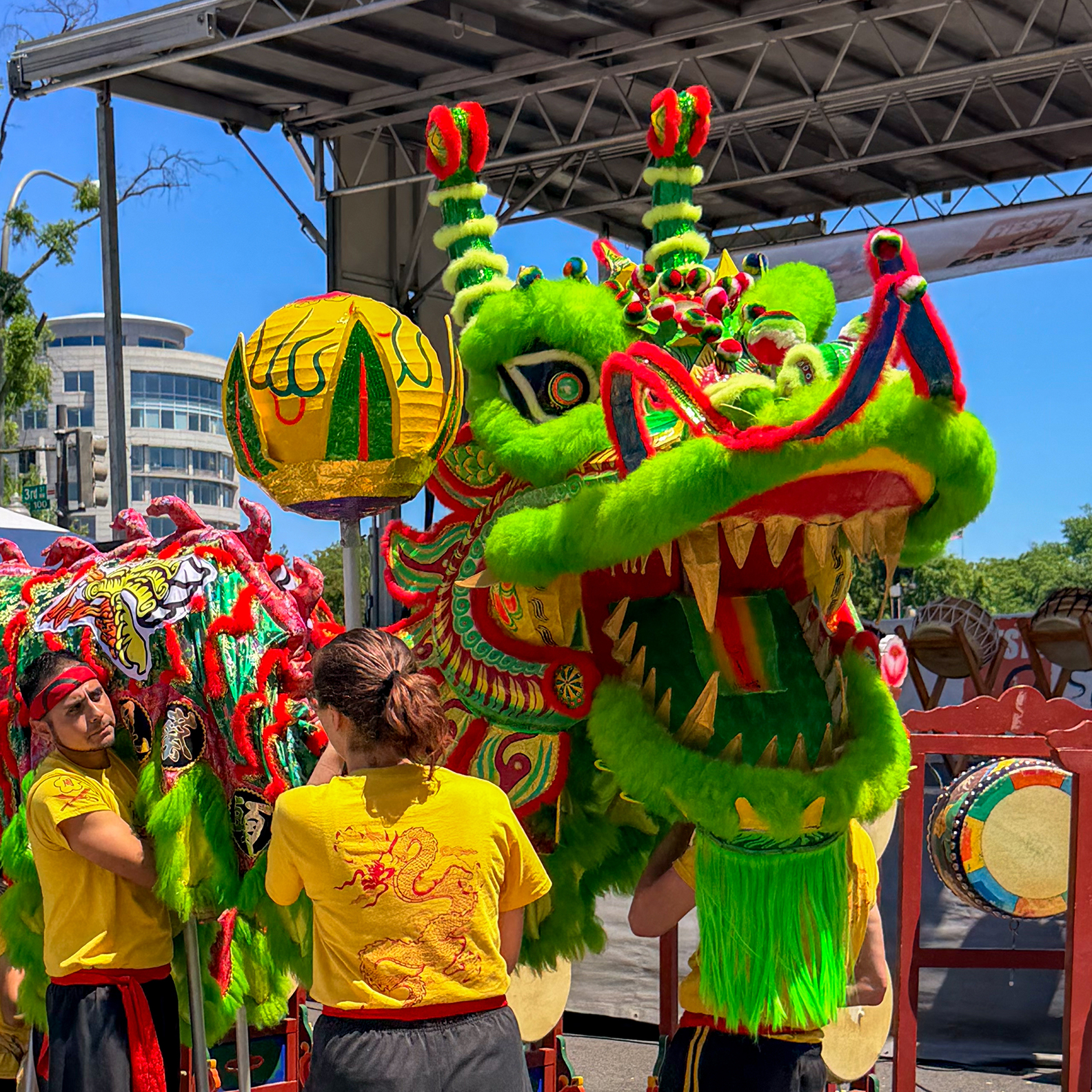
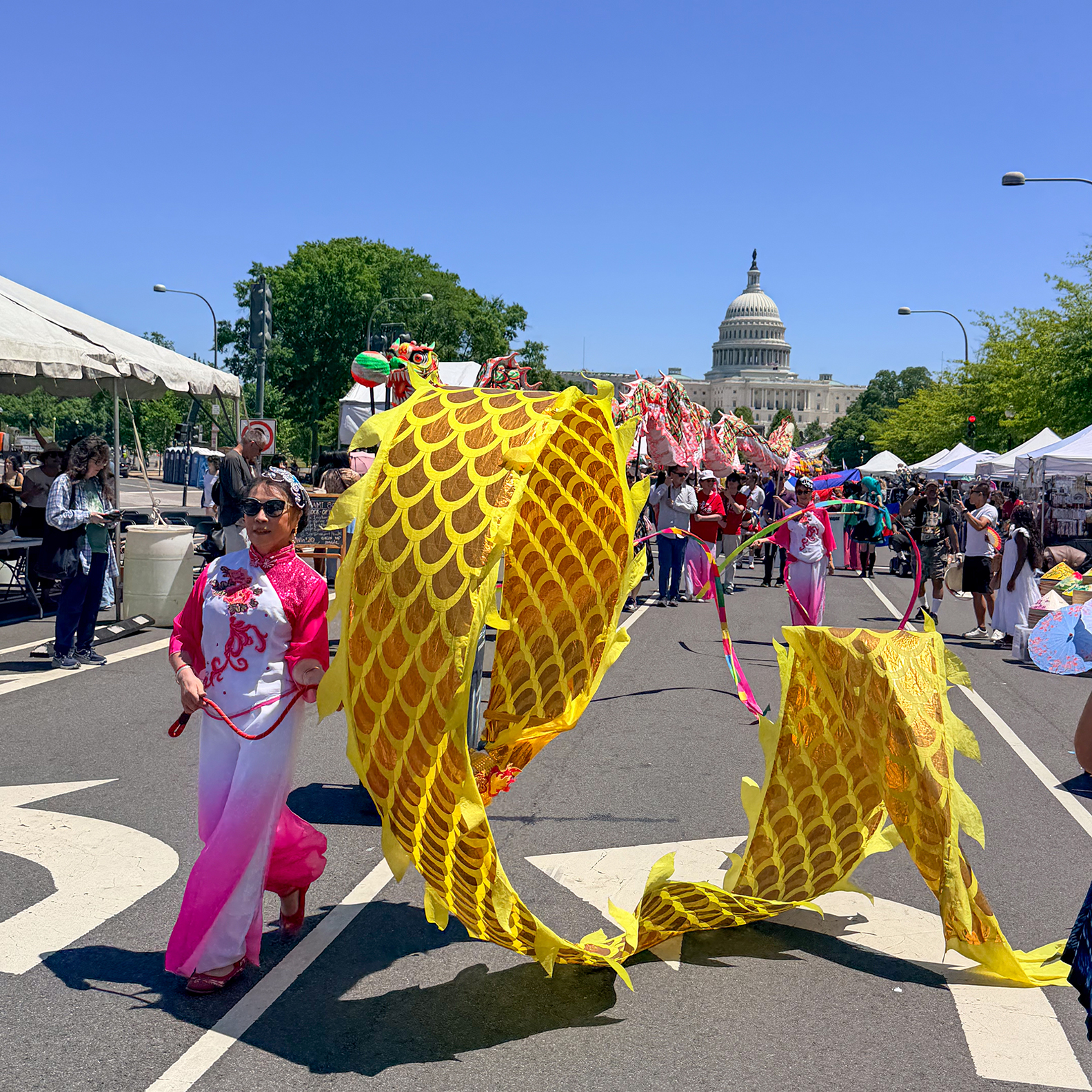
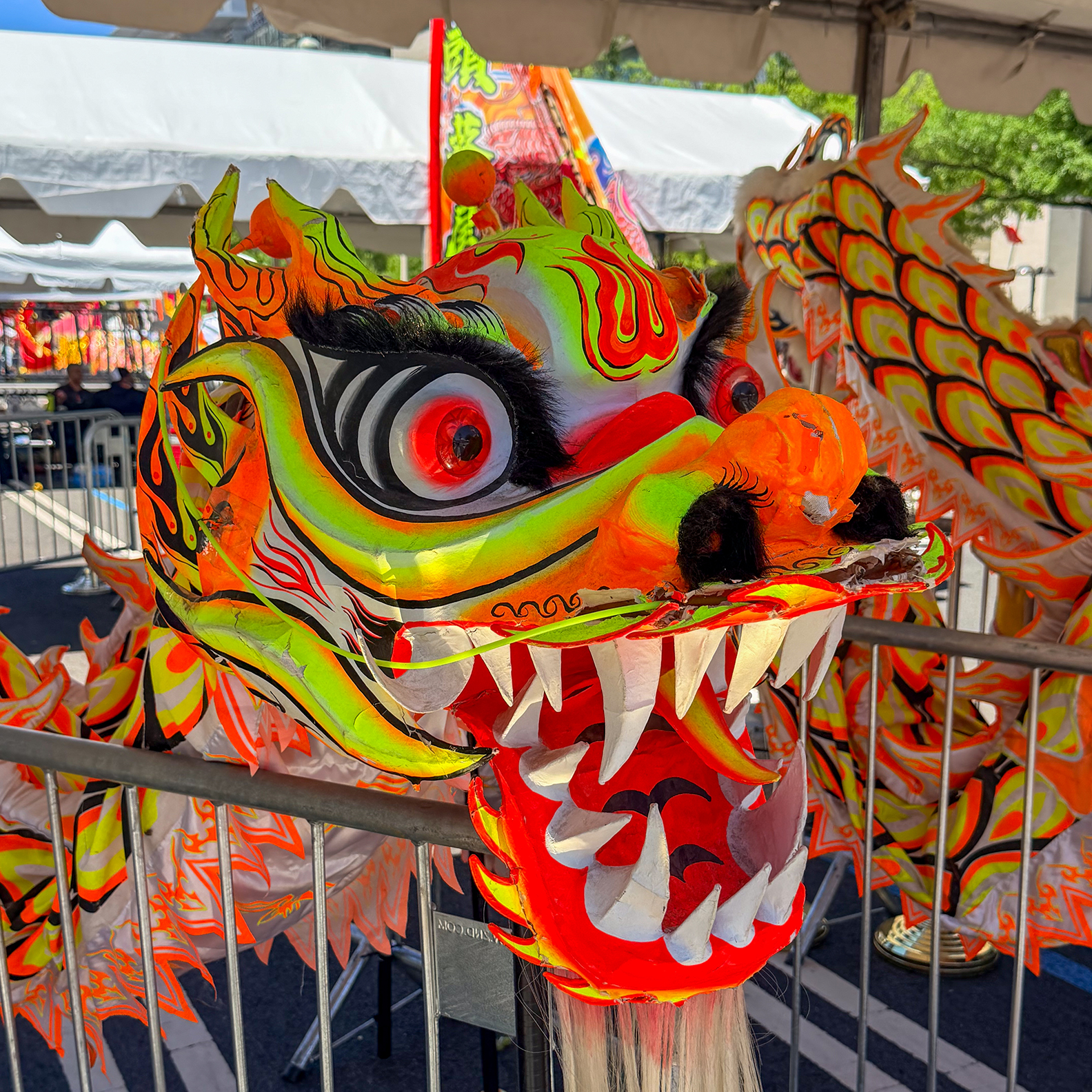
Among the day’s most anticipated highlights was the Dragon and Lion Dance Parade, described as a vibrant capstone to the celebration.
Dragon and lion dance performances are among the most visually powerful festival traditions because they combine choreography, percussion, symbolism, athletic skill, and crowd energy. Even for visitors unfamiliar with the cultural background, the experience is immediate: the drums rise, the crowd tightens, phones lift, children point, and the street becomes theater.
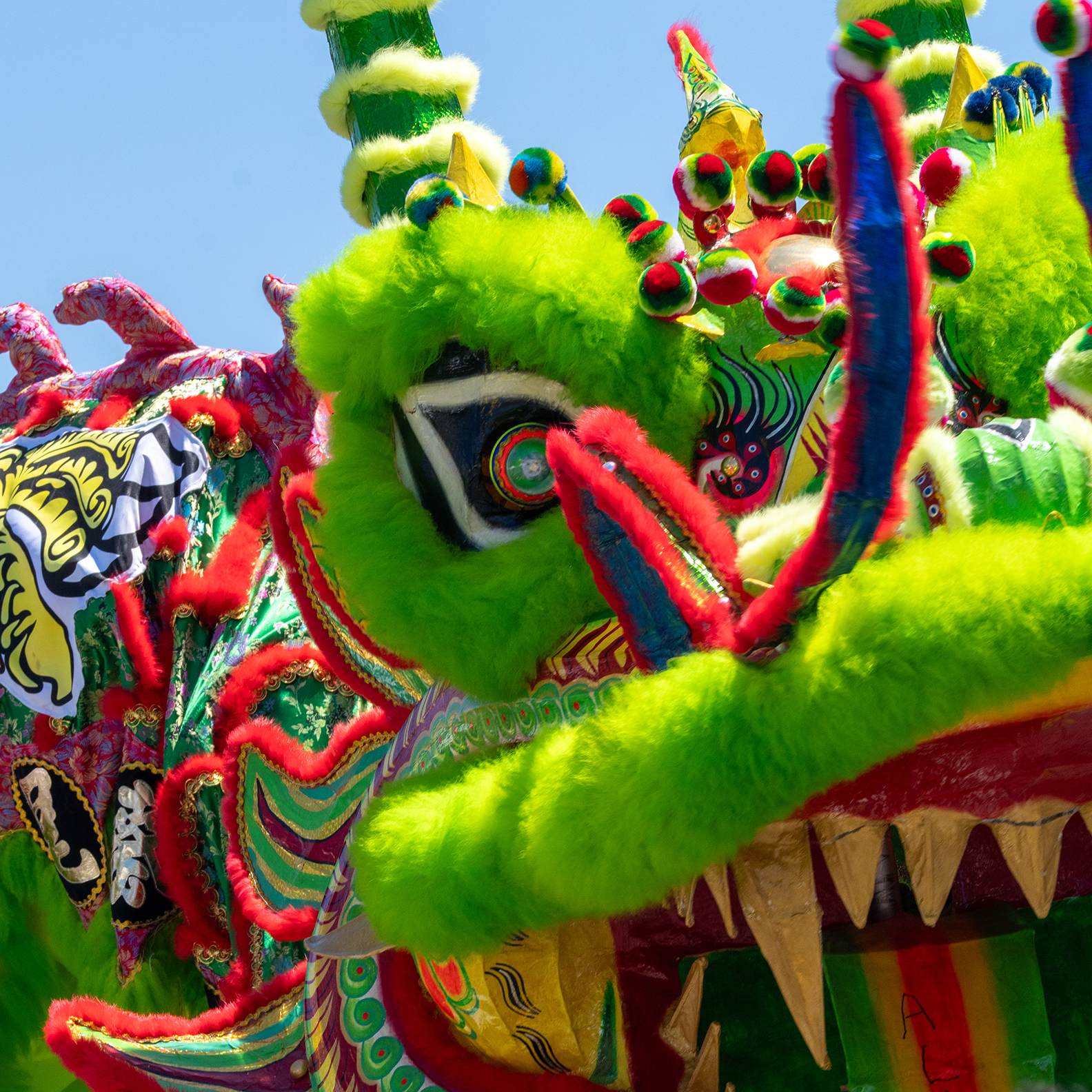
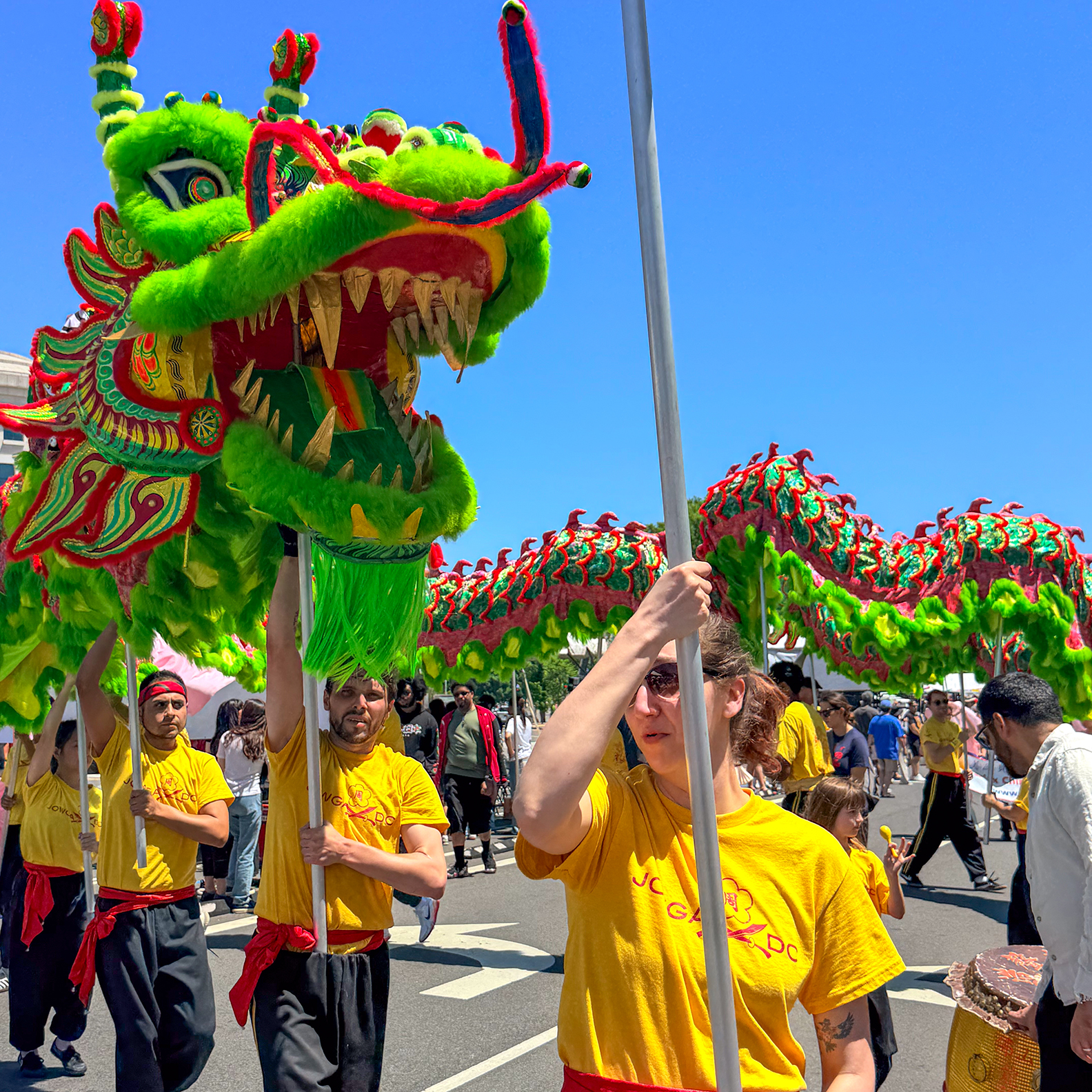
Fiesta Asia also expanded the dragon theme into participation, with DullesMoms noting 2026 highlights such as the Dragon Lair, where visitors could “adopt a dragon and join a team.”
That kind of programming is smart. It turns a signature visual into a shared experience. It gives families something memorable to do, not just something to watch. It also helps explain why Fiesta Asia has staying power: the festival is built for spectators, but it is not limited to spectators.
Why Fiesta Asia Matters in DC
Washington is often described through its federal identity: monuments, museums, politics, embassies, official ceremonies. But the city’s real cultural life is broader, more local, and much more textured. Fiesta Asia belongs to that living city.
It brings together community organizations, performers, artists, vendors, families, residents, visitors, and cultural ambassadors in a space that is both symbolic and accessible. It is educational without feeling like homework. It is celebratory without being shallow. It is a food event, a performance event, a family event, a street fair, and a heritage event all at once.
The Asia Heritage Foundation’s broader mission is to promote Asian heritage through arts, traditions, education, cuisine, and ways of life. Fiesta Asia makes that mission visible. It also gives Washingtonians a chance to engage with the diversity of Asian communities not as a distant concept, but as neighbors, performers, vendors, teachers, artists, and storytellers.
“In a city known for national symbols, Fiesta Asia reminds Washington that culture is also built by neighborhoods, families, artists, and shared public space.”
Final Word
Fiesta Asia 2026 turned Pennsylvania Avenue into a celebration of movement, memory, food, family, and shared heritage. Its strength is not just its size, though the scale is impressive. Its real power is the way it makes culture feel close — something you can hear in a drumbeat, taste from a vendor, see in a costume, learn through a dance step, and carry with you after the street reopens.
For Washington, DC, Fiesta Asia is more than a festival. It is a reminder that the city’s best public spaces are not only places of government and history, but places where communities can gather, celebrate, teach, and be seen.