There are few stages in America more symbolic than the National Mall. It is where history is remembered, movements gather, monuments speak, and the country performs its most public rituals. This summer, that same stretch of civic ground has taken on a new rhythm: flags, chants, jerseys, food, music, match-day suspense, and the unmistakable roar of soccer fans watching the FIFA World Cup together in the shadow of the U.S. Capitol.
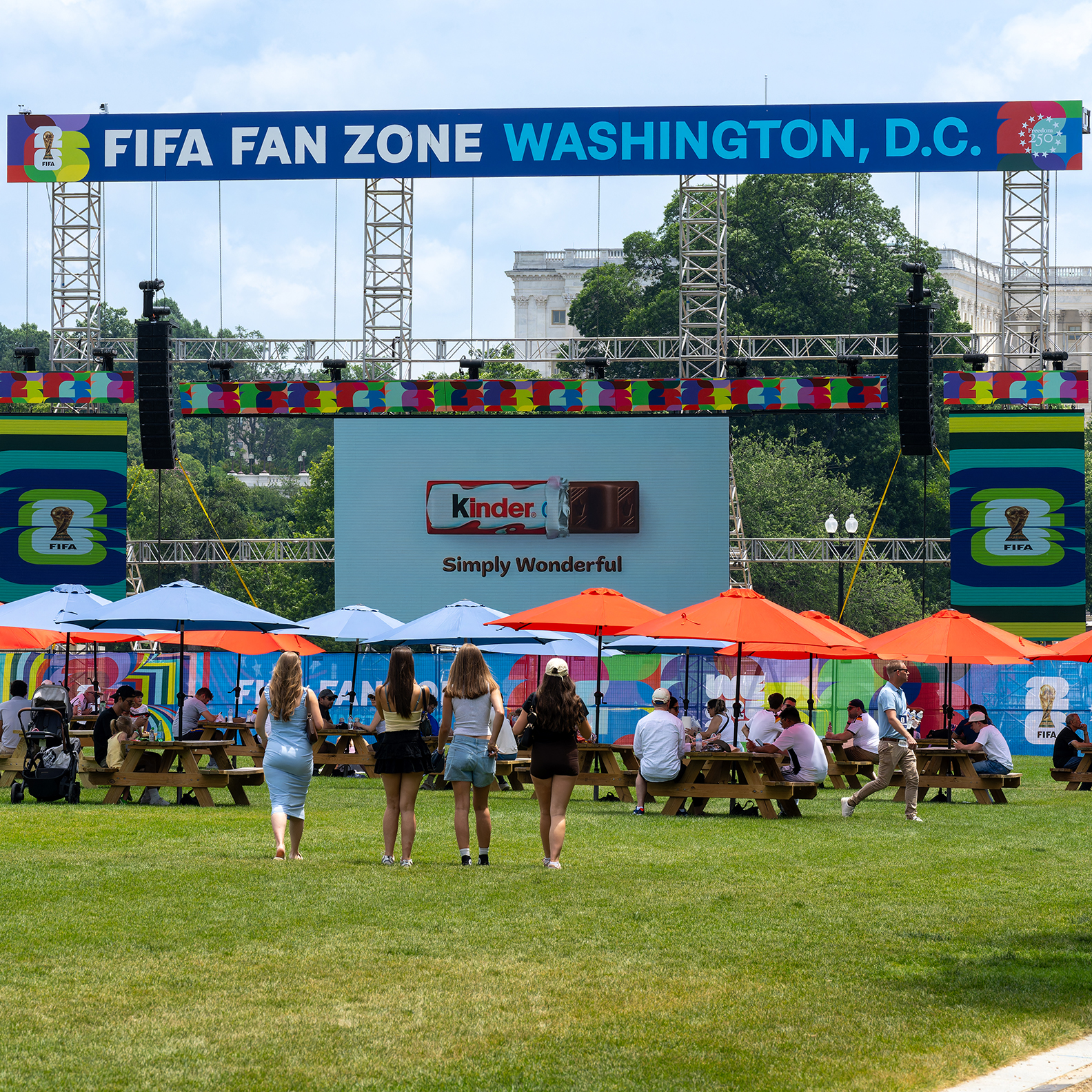
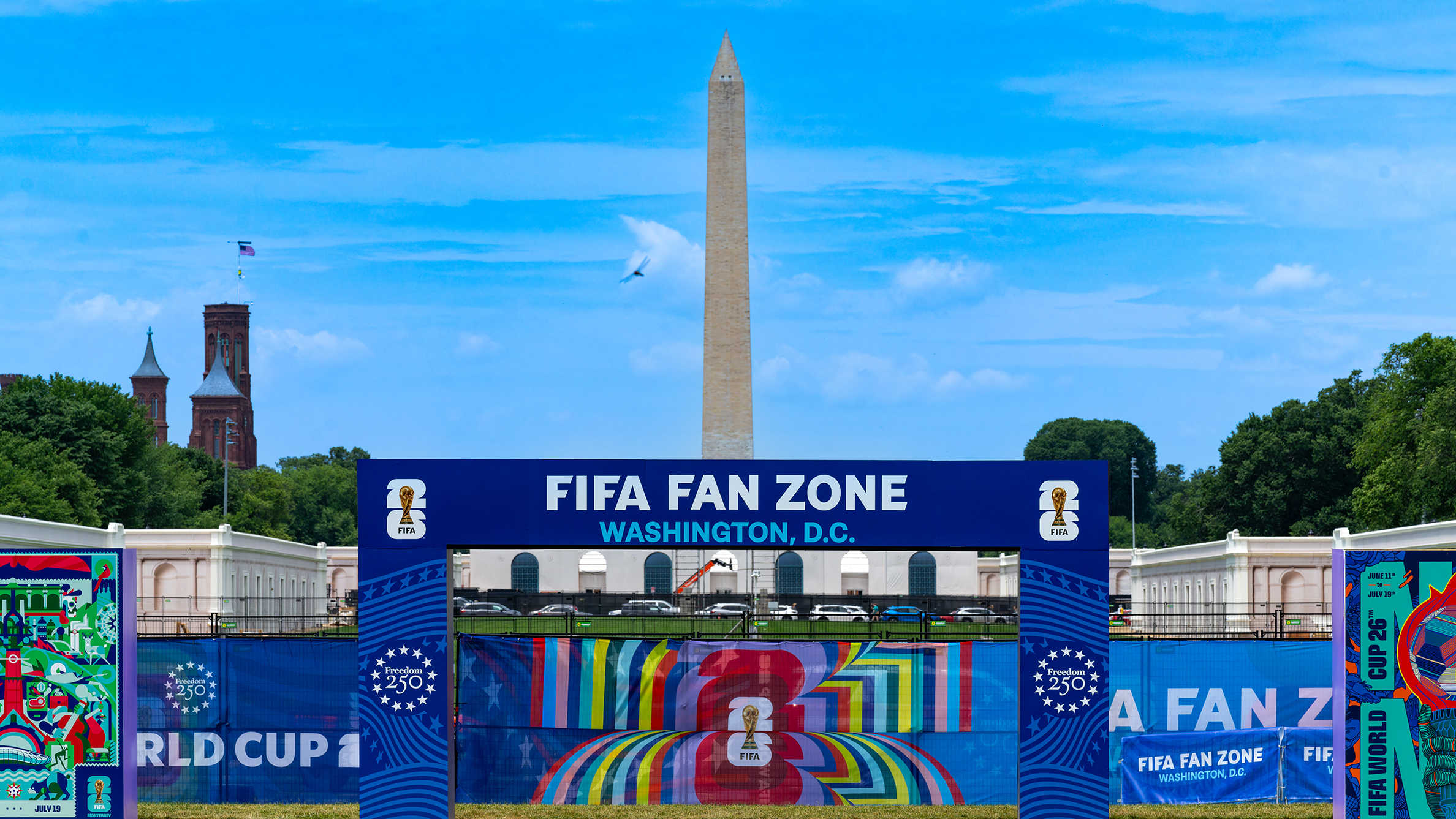
The Freedom 250 FIFA World Cup 2026 Fan Zone Washington DC has turned a section of the National Mall between 3rd and 4th Streets into one of the city’s most visible summer gathering places. Even though Washington DC is not hosting World Cup matches inside a stadium, the city has positioned itself as a national watch-party destination from June 11 - July 19, 2026 — a place where the global tournament meets America’s 250th anniversary year.
The result is more than a viewing screen on the grass. It is a civic fan festival: part sports celebration, part family outing, part cultural showcase, part patriotic summer scene. Visitors are arriving not only to watch matches, but to be inside the atmosphere of the world’s biggest sporting event while standing near some of the country’s most recognizable landmarks.

A Fan Zone With a Capitol View
The visual alone is powerful: a massive Jumbotron set against the backdrop of the U.S. Capitol, with fans gathering on the Mall to watch the world’s game unfold in real time. It gives Washington a unique role in this World Cup. The city may not have a match venue, but it has something no stadium can duplicate — the monumental heart of the nation as its backdrop.
The Fan Zone is free and open to the public, which matters. World Cup tickets can be expensive and difficult to secure, especially for families or casual fans who want to feel part of the moment without traveling to a host stadium. The National Mall experience gives residents and visitors a lower-barrier way into the tournament. You can come for a match, stay for the atmosphere, bring the family, meet fans from other countries, and feel the scale of the event without needing a seat inside an arena.
Soccer at Schools
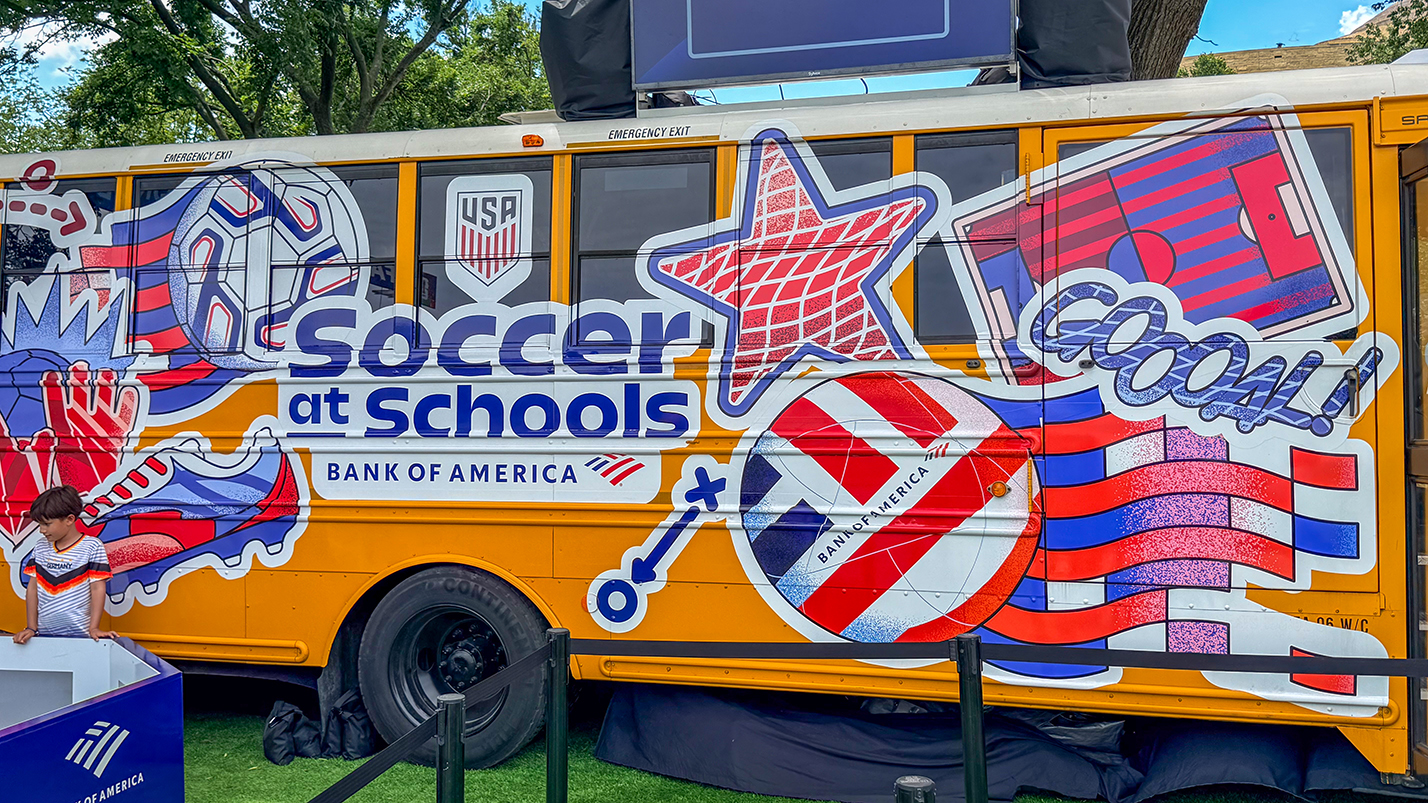
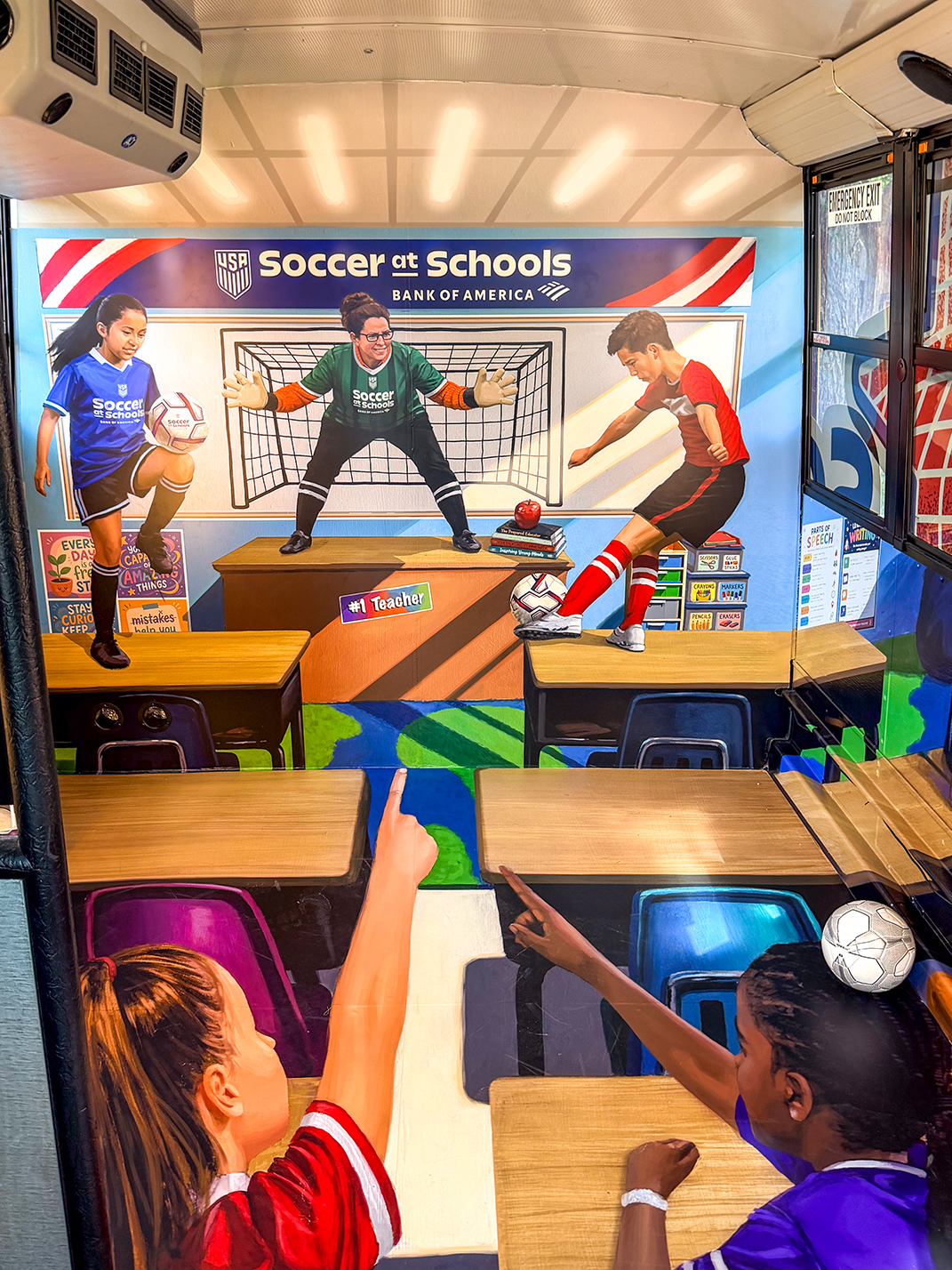
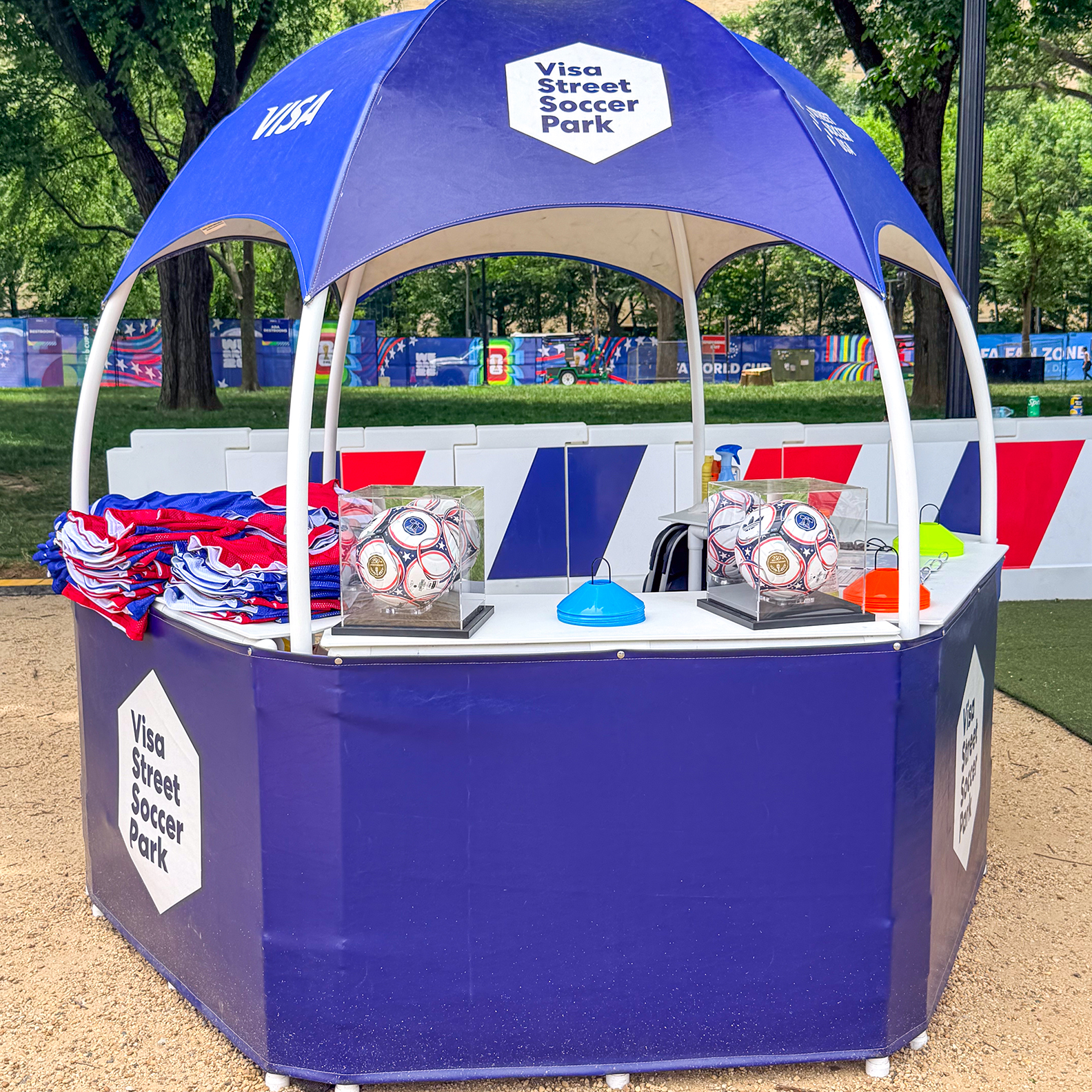
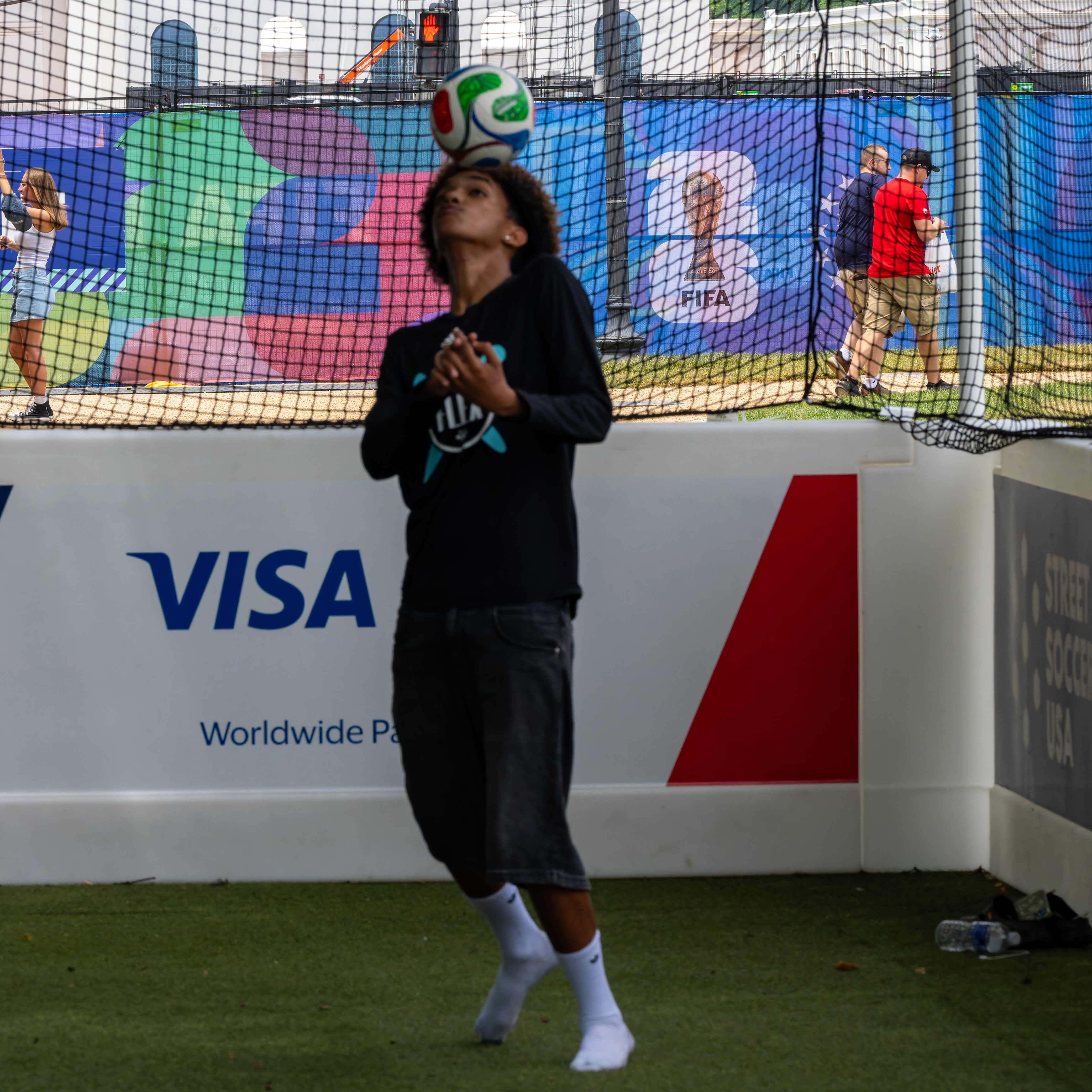
Inside the Fan Zone, visitors can expect live match screenings, interactive exhibits, youth programming, cultural showcases, food, music, and family-friendly activations. Food, beverages, and alcohol are available for purchase on the grounds. Security screening is part of the entry process, and visitors should pack carefully, with bag restrictions and prohibited-item rules in place. In plain terms: travel light, check the schedule before going, and do not treat this like a casual picnic where anything can be brought in.
The daily hours are built around match viewing. Gates generally open one hour before the first match being shown and close one hour after the final match shown that day. During the group stage, matches starting after 7 p.m. Eastern are not generally shown, but all USA matches are shown regardless of time. Once the tournament reaches the knockout rounds, all matches are scheduled to be shown regardless of time. On July 4, the Fan Zone is expected to remain open until midnight, adding another layer to an already historic Independence Day in the nation’s capital.
The USA Starts With a Statement
The Fan Zone opened into a tournament that quickly gave American fans something to celebrate. The US Men’s National Team began its World Cup campaign with a commanding 4–1 win over Paraguay in Los Angeles — exactly the kind of start that electrifies a host nation.
The match had the urgency of a home-soil opportunity. The United States benefited early from a Damián Bobadilla own goal, then Folarin Balogun took control with two first-half goals. Gio Reyna added the late finish, giving the USA a four-goal performance that felt less like survival and more like a statement. For American soccer fans, this was not a cautious opening. It was confident, direct, and energetic. The kind of performance that makes you want to watch the next match, and the next, and the next.
“The USA’s 4–1 opening win gave American fans more than three points. It gave the summer a charge.”Discover DC Now
Balogun’s brace gave the night its headline. In a tournament where a striker’s confidence can shape an entire campaign, his two goals offered immediate proof of sharpness under pressure. The win also gave the USA three valuable points in Group D, which is the currency that matters most in the opening stage. Style is welcome. Goal difference helps. But points are what move teams toward the knockout rounds.
For fans watching in Washington, that victory gave the National Mall Fan Zone an immediate emotional charge. A Fan Zone is always more alive when the home team has momentum. The chants get louder. The jerseys appear in greater numbers. The next watch party feels less like an event listing and more like a collective appointment.
Why the 2026 World Cup Is Different
This World Cup is not just another tournament. It is the largest edition in FIFA World Cup history, with 48 teams competing across Canada, Mexico, and the United States. The tournament includes 104 matches across 16 host cities, beginning in Mexico City and culminating with the final at New York-New Jersey Stadium on July 19.
That scale changes the rhythm of the tournament. More teams means more nations represented, more fan bases traveling, more storylines, and more opportunities for surprise. It also means the format is different from what many casual fans remember.
The old 32-team format has been replaced. In 2026, the 48 teams are divided into 12 groups of four. Each team plays three group-stage matches. A win is worth three points, a draw is worth one point, and a loss is worth zero. At the end of the group stage, the top two teams in each group automatically advance. That accounts for 24 teams. Then the eight best third-place teams also advance, creating a 32-team knockout field.
That is where the tournament becomes unforgiving.
Once the knockout rounds begin, it is win or go home. If a match is tied after 90 minutes, it goes to extra time. If still tied after extra time, it goes to a penalty shootout. There are no second chances. Every match has the potential for drama, heartbreak, and unforgettable moments.
How Teams Reach the Final Two
The easiest way to understand the World Cup is to think of it in two acts.
The first act is the group stage. Teams are trying to collect enough points across three matches to finish first or second in their group — or at least become one of the eight best third-place teams. This stage rewards consistency. One bad result does not necessarily end a team’s tournament, but it can make everything harder. Goal difference can matter. Goals scored can matter. Discipline and tiebreakers can matter. Every late goal has consequences.
The second act is the knockout stage. Once the field is narrowed to 32 teams, there is no room for a bad night. The tournament moves through the Round of 32, Round of 16, quarterfinals, semifinals, third-place match, and final. Win and move on. Lose and go home. Each round is a do-or-die scenario. A single loss means elimination. That creates an intense atmosphere where every match feels like a final. If a knockout match is tied after regulation, extra time and potentially penalties determine the winner.
To reach the final two, a team must survive its group, then win four straight knockout matches: Round of 32, Round of 16, quarterfinal, and semifinal. The two semifinal winners meet in the final. The two semifinal losers play for third place.
That structure is simple, brutal, and beautiful. It is why a World Cup can feel like a month-long festival and a pressure chamber at the same time.
Freedom 250 Meets the World’s Game
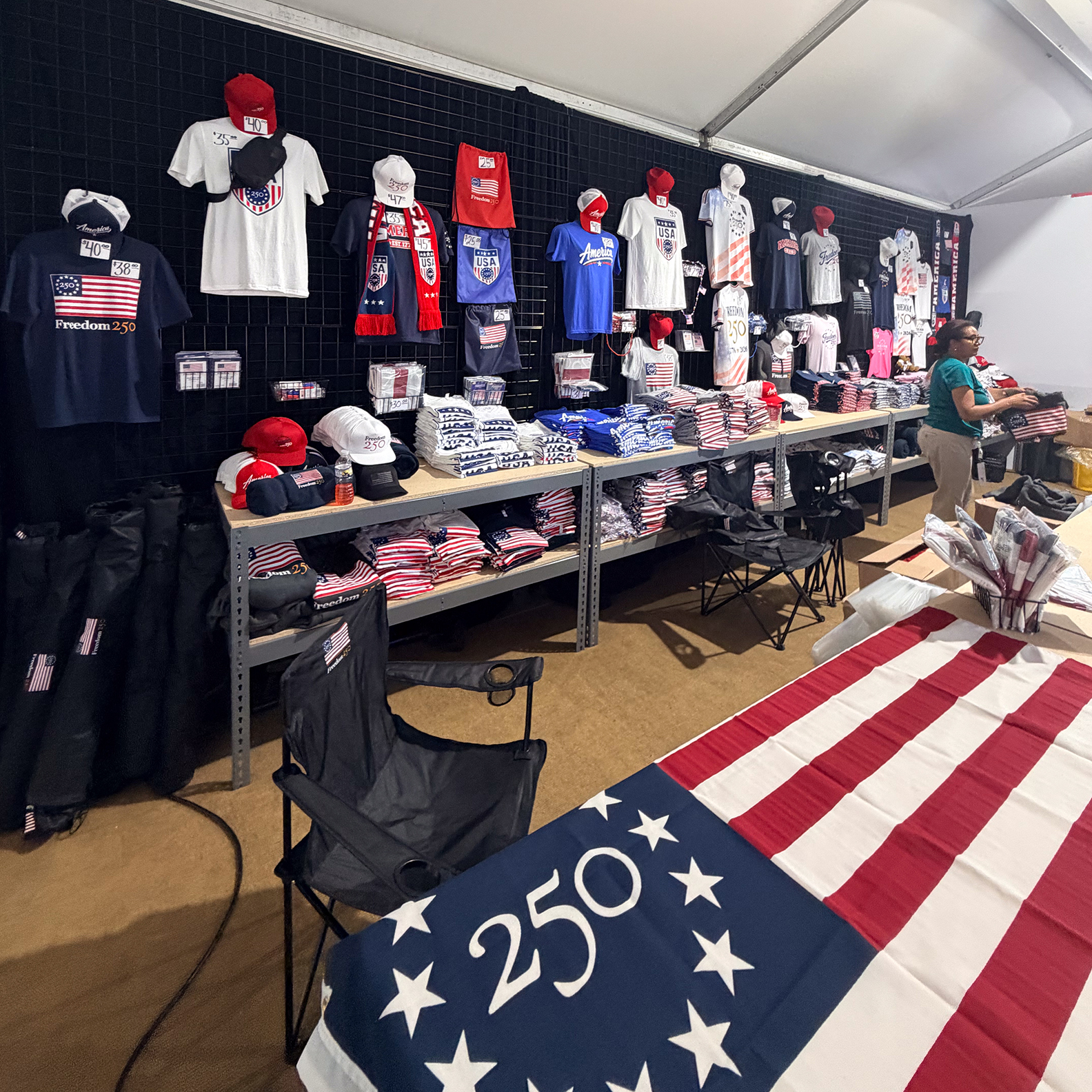
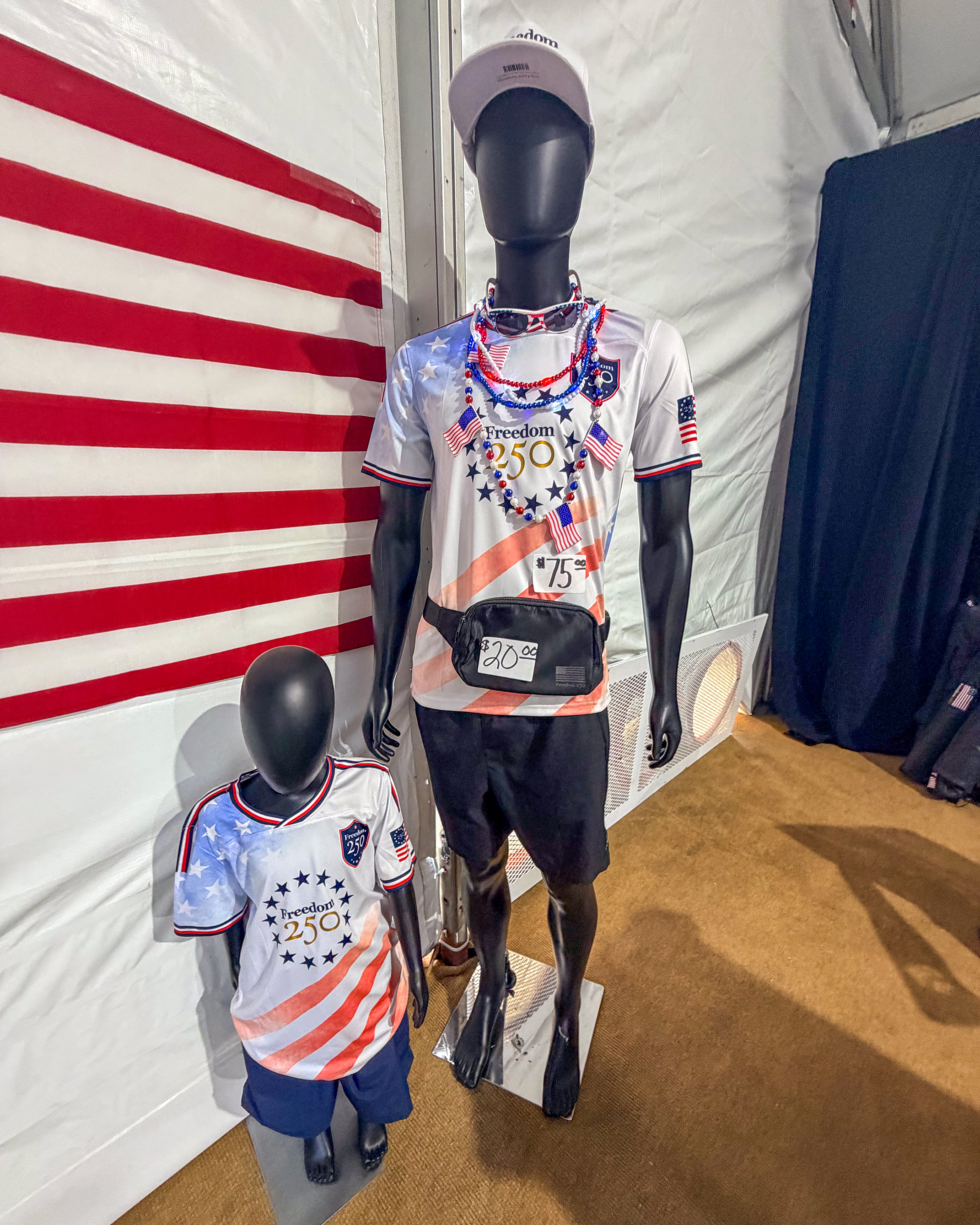
The Fan Zone is part of a broader Freedom 250 calendar tied to America’s 250th anniversary. That context gives the Washington event a different identity from a normal sports watch party. It is not only about soccer. It is about welcoming international visitors to the capital during a year when the country is staging major anniversary events, public gatherings, and cultural programming.
The timing is strategic. The World Cup is already a global magnet. America’s 250th anniversary adds another layer of national symbolism. On the National Mall, those two forces overlap: the world’s most popular sport and America’s most visible civic landscape.
Nearby Freedom 250 programming also adds to the summer scale. The Great American State Fair, scheduled from June 25 through July 10, is expected to bring food, entertainment, cultural activities from every state and territory, and a 110-foot Ferris wheel to the Mall. For visitors, that means the World Cup Fan Zone may become part of a larger day-long or evening experience, especially during peak summer dates
What to Know Before You Go
Before you go, keep in mind that the Fan Zone is an outdoor event. Dress for the weather, arrive early to secure a good spot, and be prepared for large crowds. Food and beverages will be available, but bringing your own snacks and water is recommended.
The Fan Zone is designed for all ages, but visitors should treat it like a major public event, not a casual drop-in. Expect security screening. Bring only what you need. Check the day’s match schedule before heading out, because hours shift depending on what is being shown. If you are going specifically for a USA match, expect larger crowds and more energy. The atmosphere is part of the experience, so be ready to join in the chants, cheers, and collective moments that make a World Cup watch party special.
Public transportation is the smarter move. Parking around the National Mall is already limited under normal conditions, and major events make driving more frustrating. Metro, rideshare drop-offs outside the immediate event zone, and walking from nearby neighborhoods will usually be easier than trying to park close to the grounds.
The DC Angle: A City Without Matches, But Not Without Meaning
Washington not hosting stadium matches could have made the city feel secondary during the World Cup. Instead, the Fan Zone gives the District a public-facing role that fits its personality. DC is a diplomatic city, an international city, a sports city, and a festival city. The Fan Zone sits at the intersection of all four.
There is also a practical advantage. Stadium matches are limited to ticket holders. A Fan Zone can become a democratic gathering space. It lets tourists, local families, embassy communities, students, office workers, and die-hard soccer supporters share the same environment. That mix is very Washington.
The World Cup is never just about the match on the screen. It is about the people watching: the flags painted on faces, the split-second silence before a penalty, the eruption after a goal, the stranger who becomes a friend because both of you are wearing the same colors. On the National Mall, those moments feel even larger because the setting carries civic weight.
Final Word
The Freedom 250 FIFA Fan Zone gives Washington a World Cup role that feels true to the city. It is public, international, symbolic, and built around gathering. The matches may be played elsewhere, but the emotion is very much here.
With the US already off to a strong start, the National Mall is positioned to become one of the District’s most electric summer spaces — especially if the home team keeps winning. And as the tournament narrows from 48 teams to 32, then 16, then eight, then four, the stakes will only rise.
By the time the final two teams are standing on July 19, Washington will have spent more than a month watching the world’s game from America’s front yard. That is the real story: not just soccer on a screen, but a global celebration unfolding in the heart of the capital.