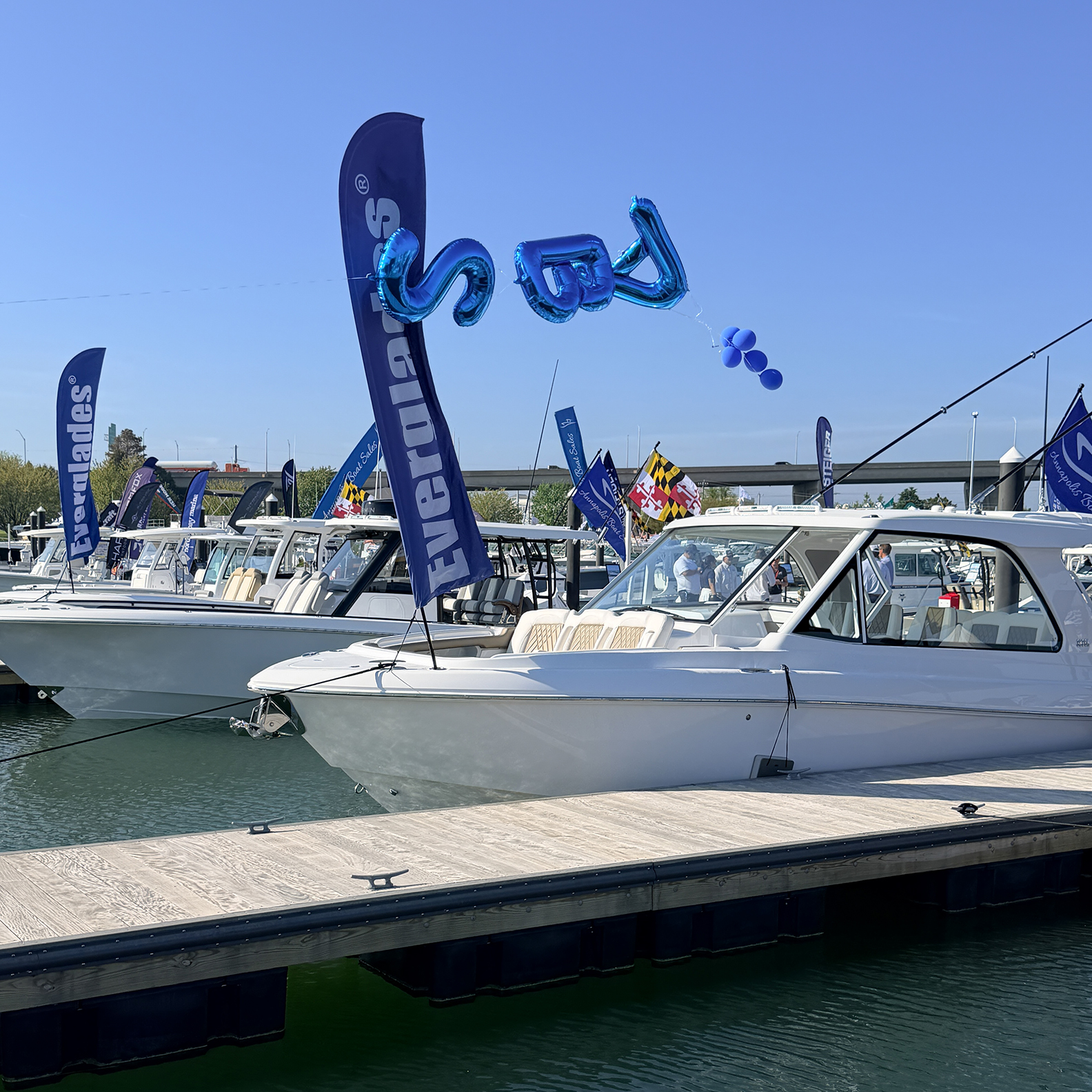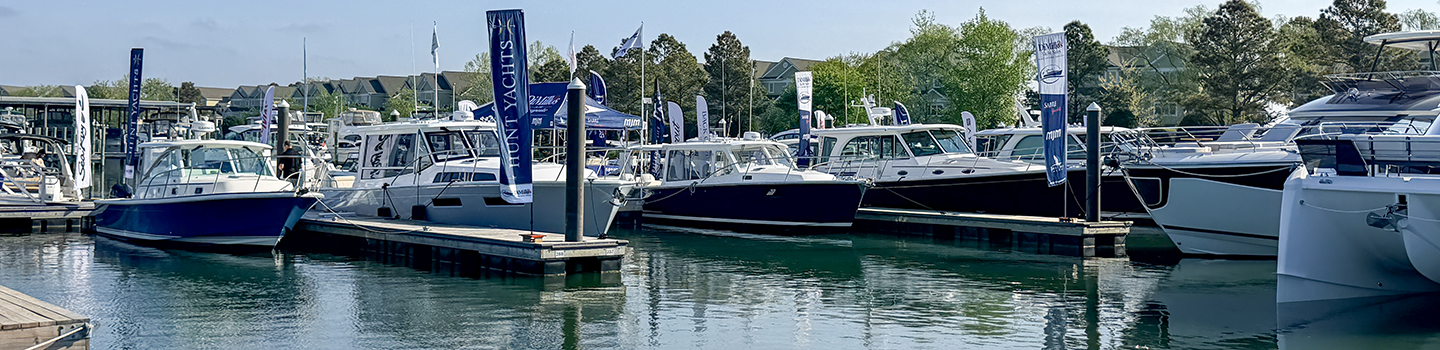
Spring on the Chesapeake does not creep in quietly. It arrives with movement—wind across the docks, sunlight on fiberglass, engines humming in slips, and crowds scanning the waterline for the boat that feels like the start of a different kind of weekend. That is exactly the atmosphere the Bay Bridge Boat Show delivered from April 17 through 19, 2026, when it returned to Safe Harbor Narrows Point in Kent Narrows, Grasonville for its second year at the location. Organized as a major kickoff to the regional boating season, the three-day show blended serious buying, practical education, waterfront leisure, and enough dockside energy to make even casual visitors want to imagine life on the Bay a little differently.
For Discover DC Now readers, the appeal was obvious. This was not just a trade event for boat owners or marine industry insiders. It was a weekend destination built around access—access to the boats, access to the water, access to information, and access to the broader Chesapeake lifestyle that so many Washington-area residents want once the weather turns warm. With more than 250 boats on display, over 130 exhibitors, seminars, sea trials at the PropTalk Demo Dock, BoatUS Foundation on-water training, live entertainment, food and beverages, and even the Phillips Wharf Environmental Center Fishmobile, the show leaned into variety without losing focus.
A Show Built for the Start of Boating Season
Some spring events are decorative. This one is functional. The Bay Bridge Boat Show has positioned itself as the point where the Chesapeake boating year begins in earnest, and that framing makes sense. The official event materials described the show as a place where boaters could compare vessels side by side, talk directly with experts, and gear up for the months ahead. That practical tone matters because boating is not fantasy shopping for most attendees. It is a decision-making environment. People come to look, learn, compare, price, and test.
The move to Safe Harbor Narrows Point gave the event a setting that supports that identity well. The Kent Narrows location puts visitors in a waterfront corridor where marinas, restaurants, hotels, and walking-distance amenities all reinforce the feeling that boating is not an isolated hobby but part of a whole regional culture. Kent Narrows’ own promotional material emphasized that restaurants and hotels were nearby, onsite parking was available, and the setting made it easy to turn the show into more than a quick stop.
That is part of what made the weekend work. The event had enough industry muscle to attract serious buyers, but the setting kept it from feeling sterile. It felt seasonal, social, and tied to place.
More Than 250 Boats—and a Chance to Actually Compare Them
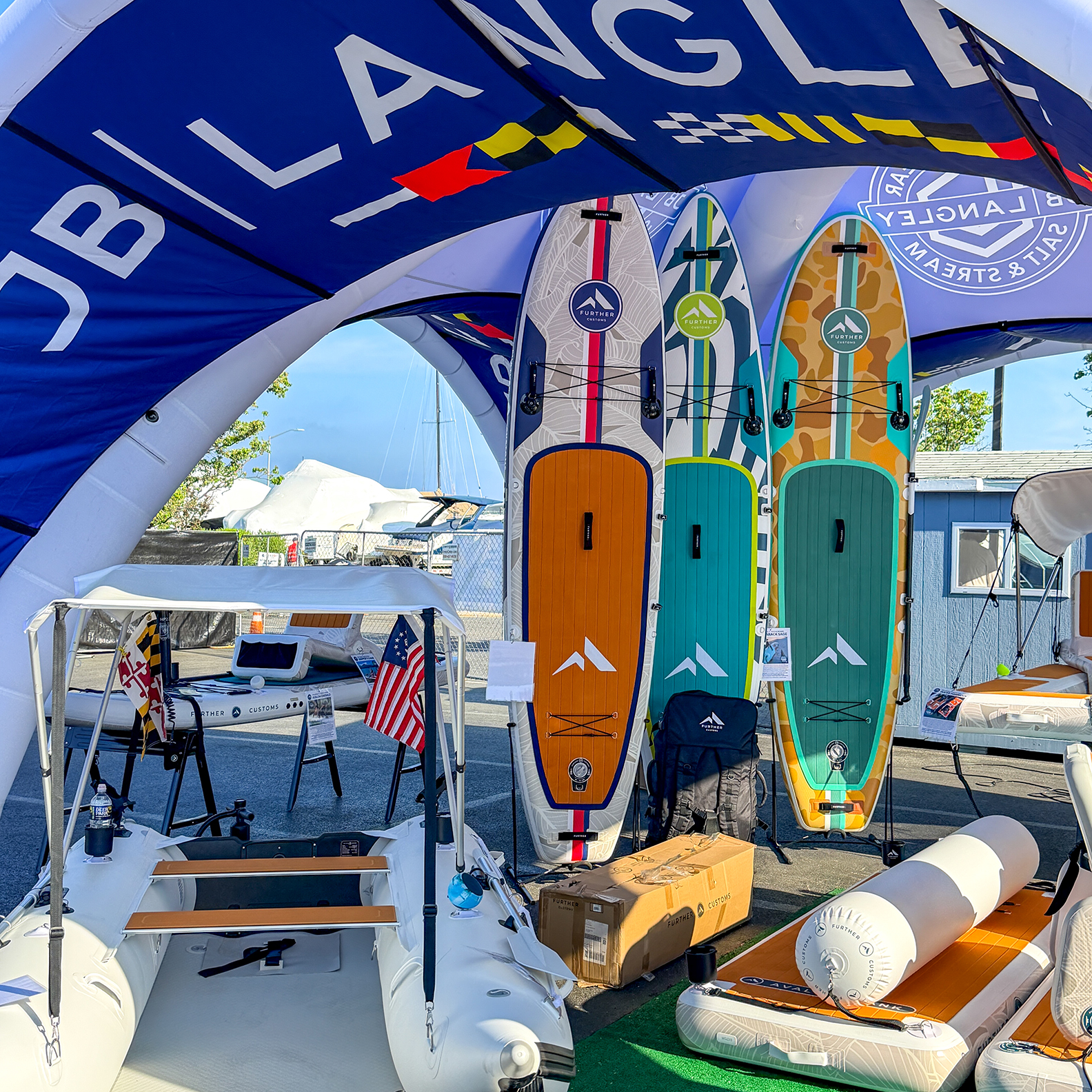
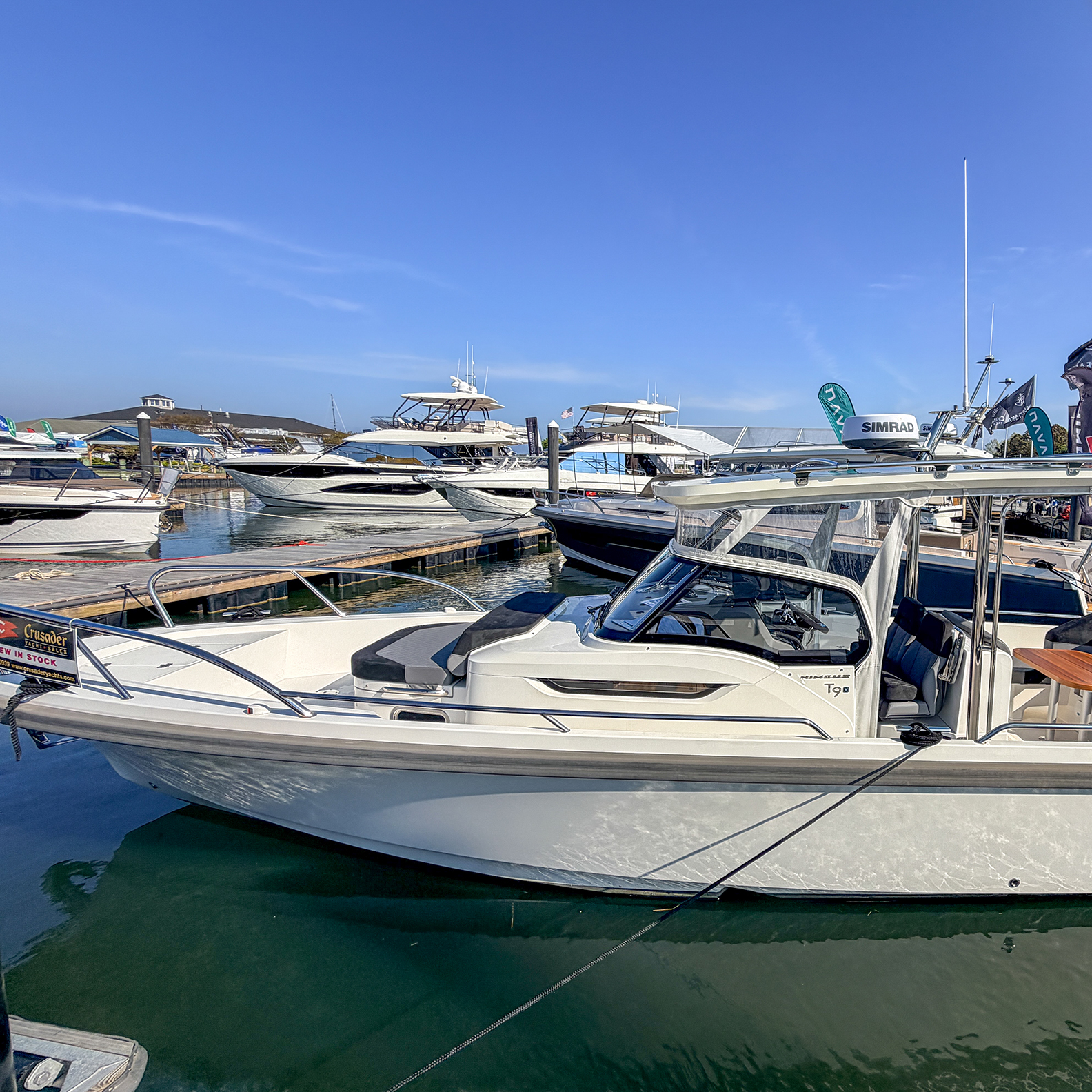
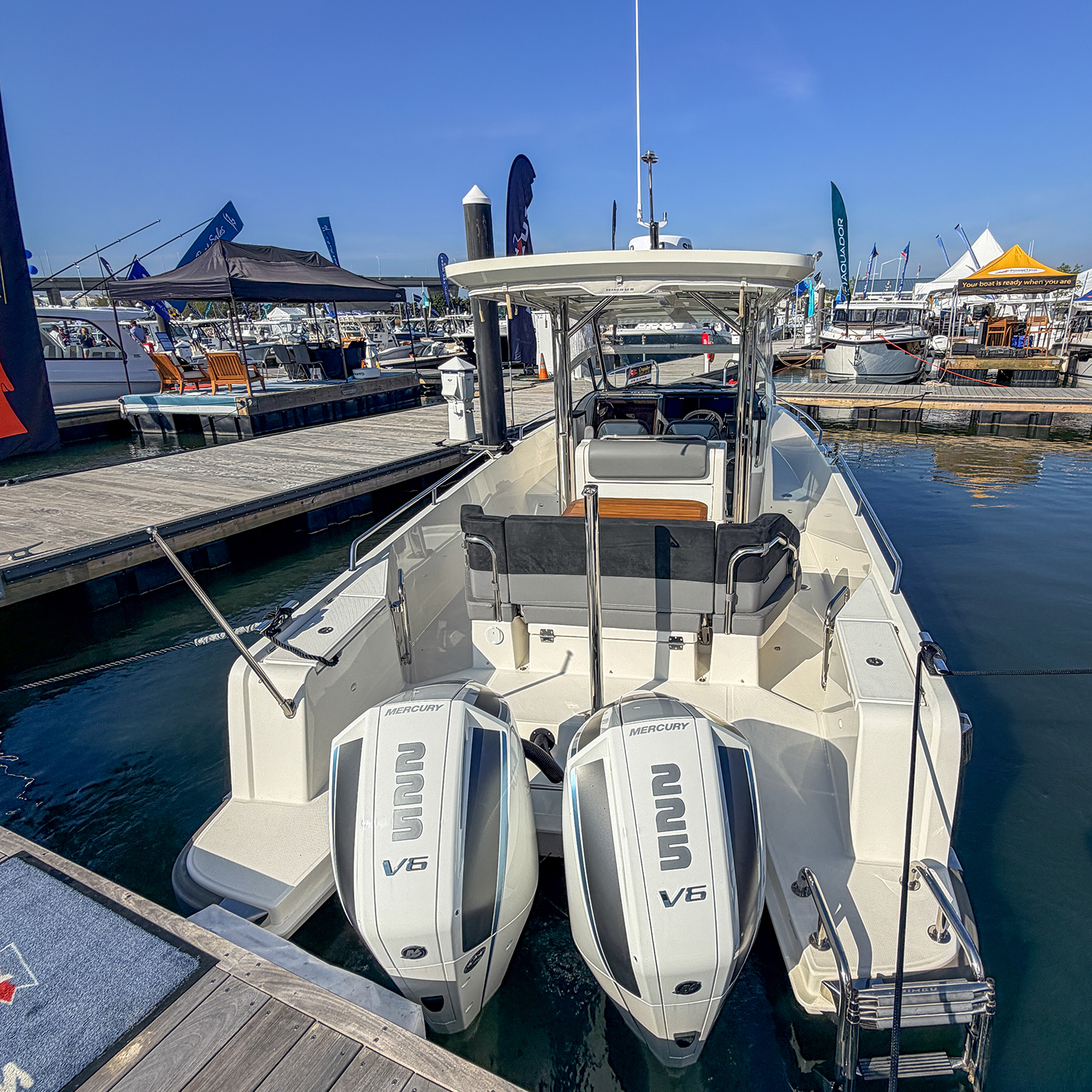
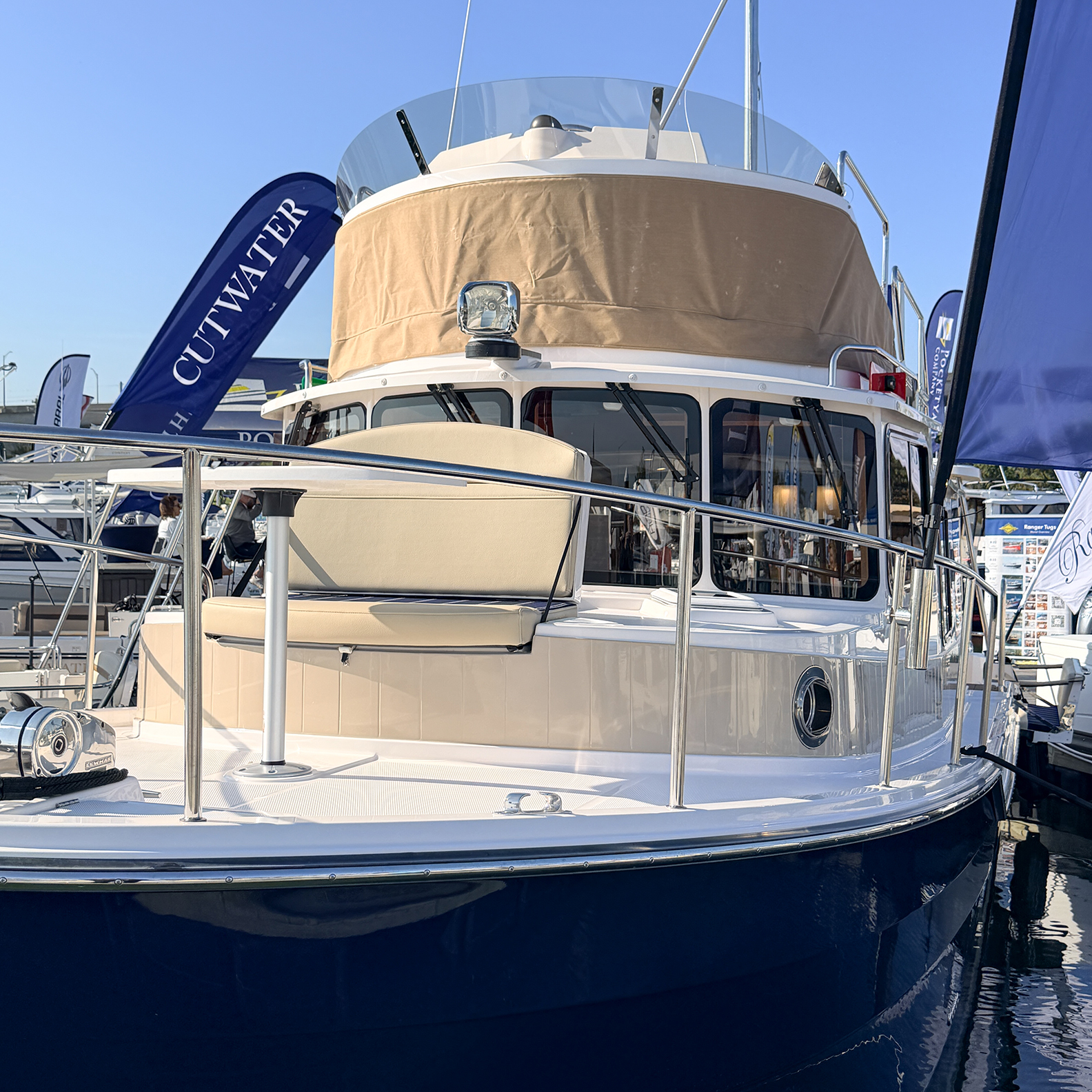
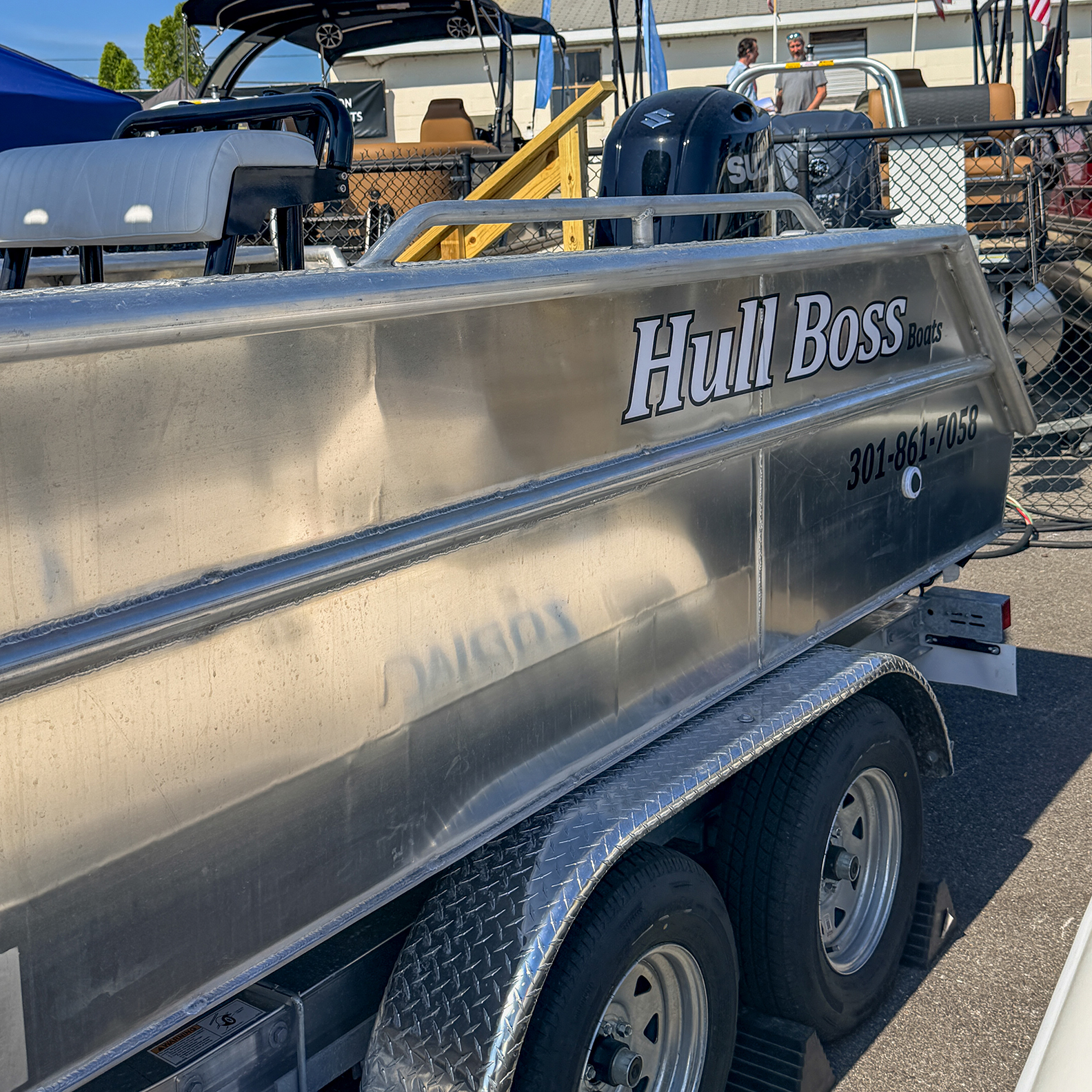
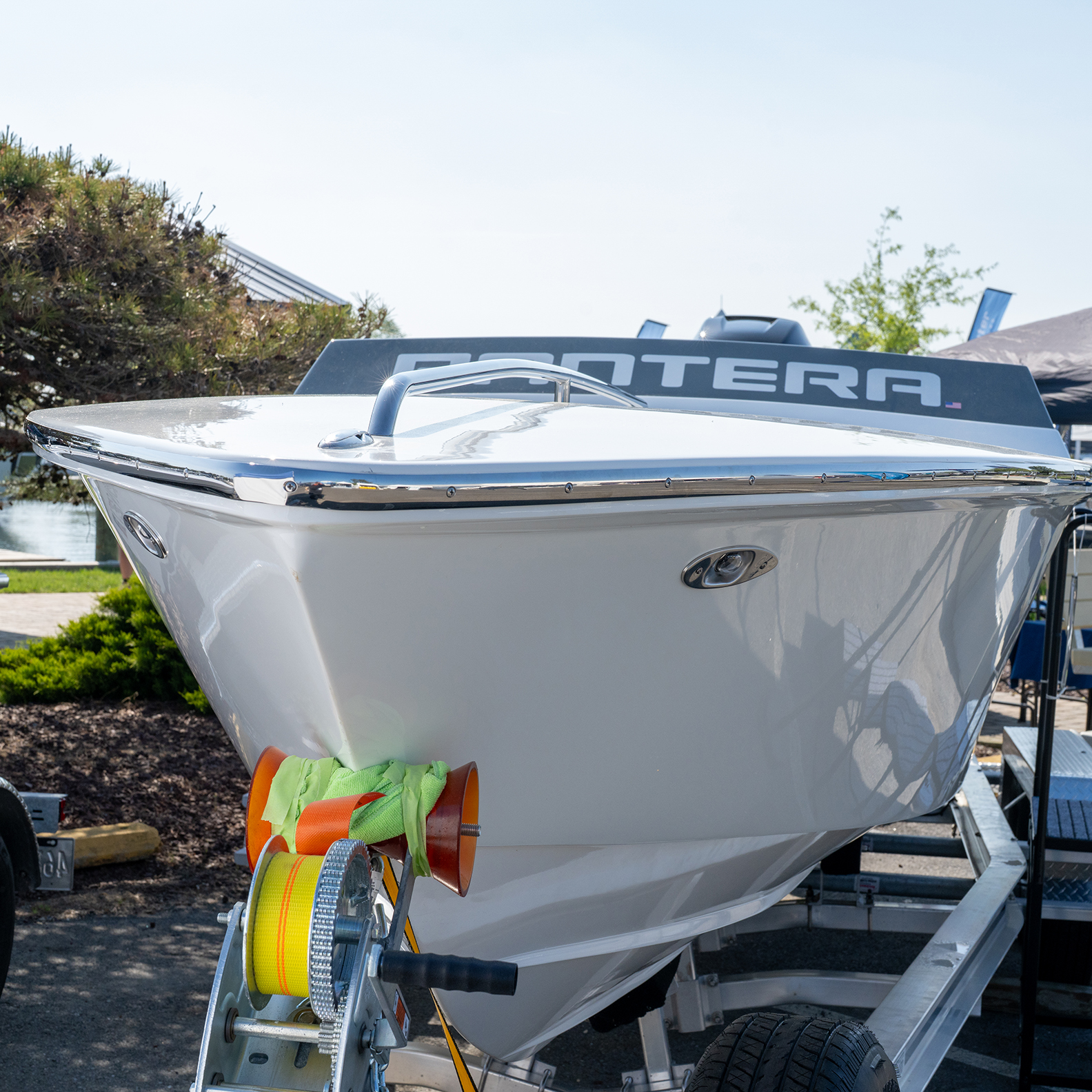
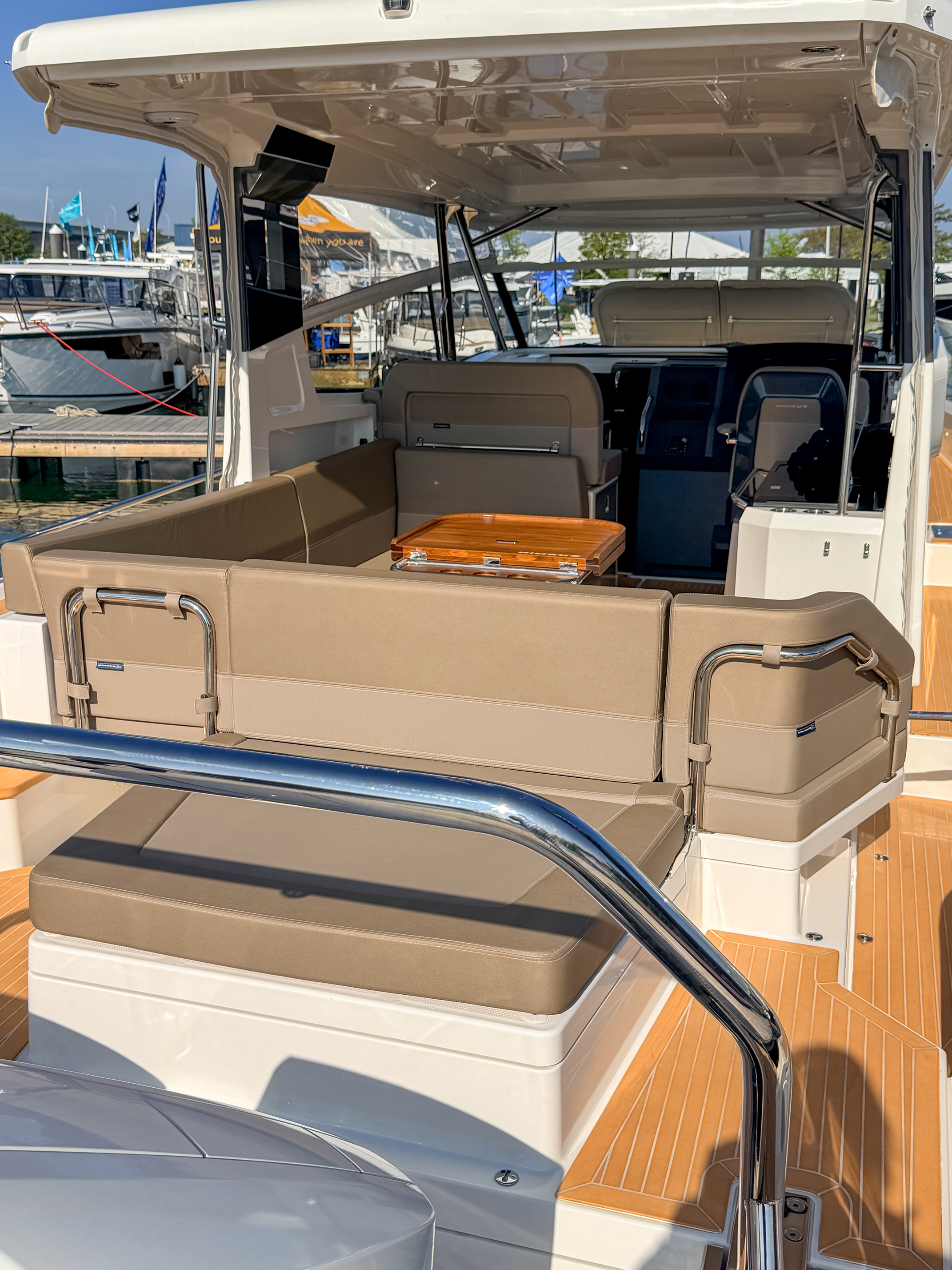
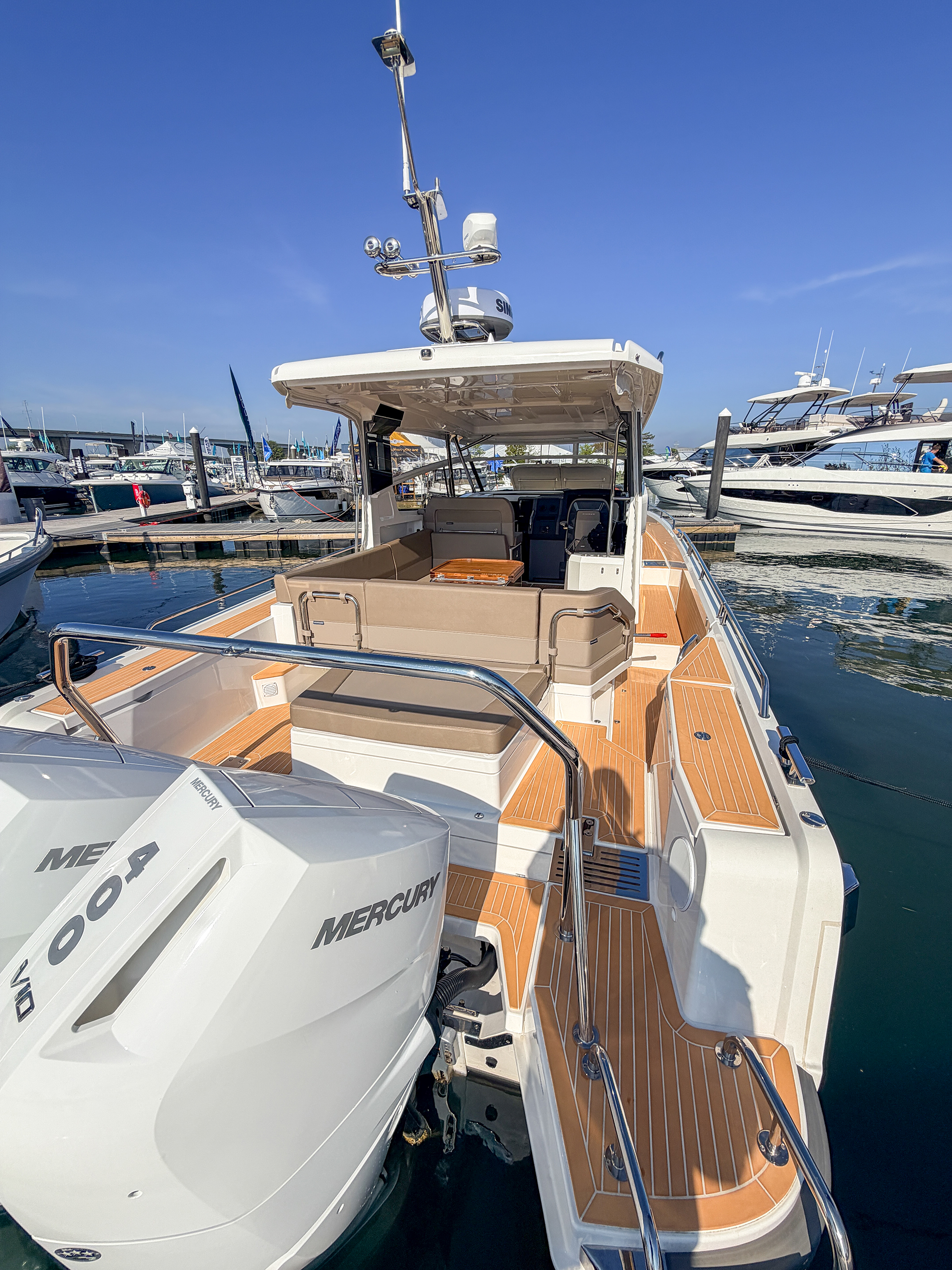
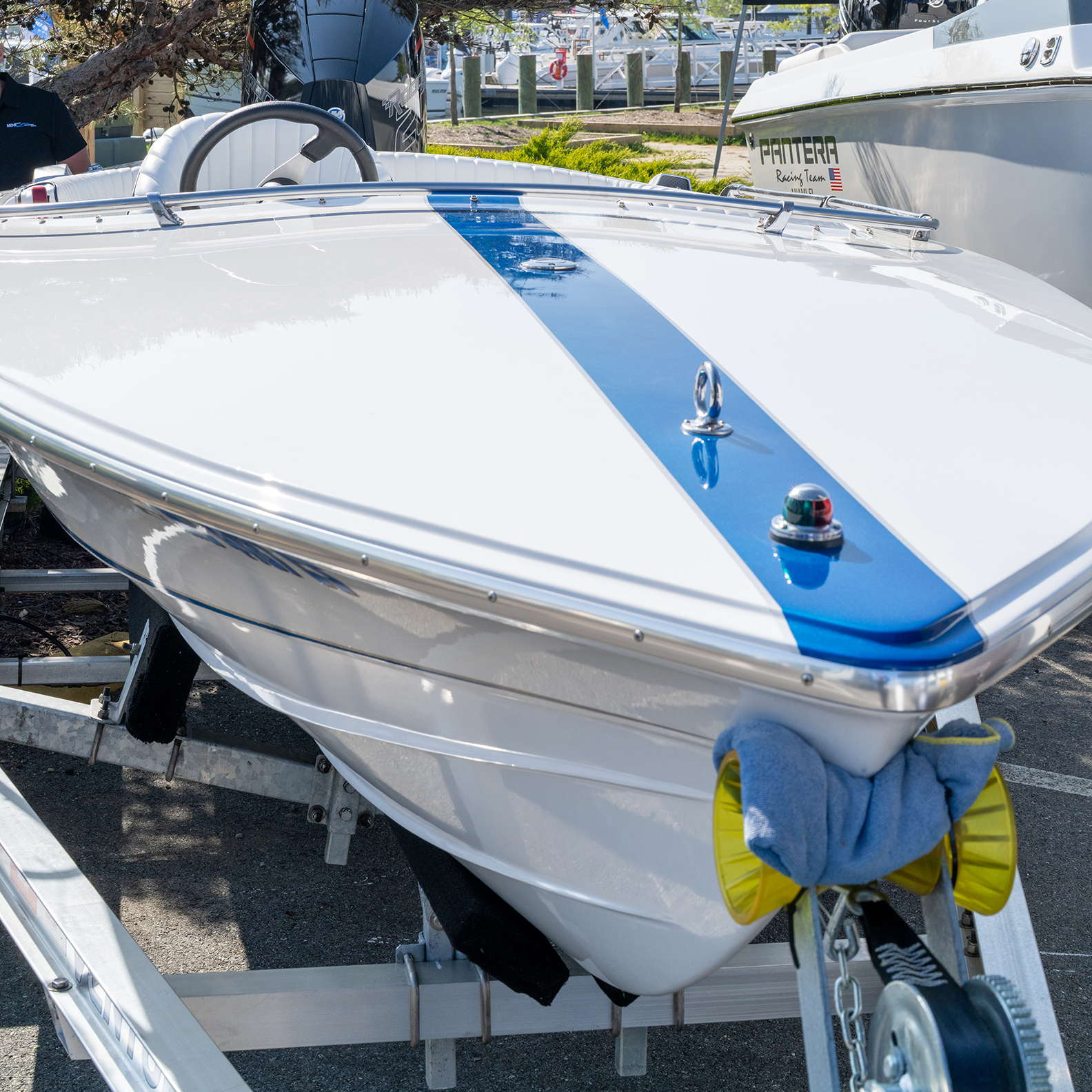
One of the strongest things about this show is scale. According to the organizers and preview coverage, visitors had the chance to board and compare more than 250 boats in person. That number matters less as a statistic than as an experience. Walking the show means moving from one style of boating life to another in a matter of minutes: center consoles, bowriders, walkarounds, cabin cruisers, trawlers, pilothouse boats, pontoons, inflatables, skiffs, and kayaks all formed part of the lineup.
That range is exactly what makes the event useful for Mid-Atlantic buyers. You can walk in thinking you know what you want and walk out with a more realistic understanding of what actually fits your habits, budget, family size, fishing goals, comfort expectations, or dock situation. A center console may look ideal until you step into a pilothouse. A luxury cruiser may seem appealing until a simpler setup feels smarter. Boat shows compress months of browsing into one day of physical comparison.
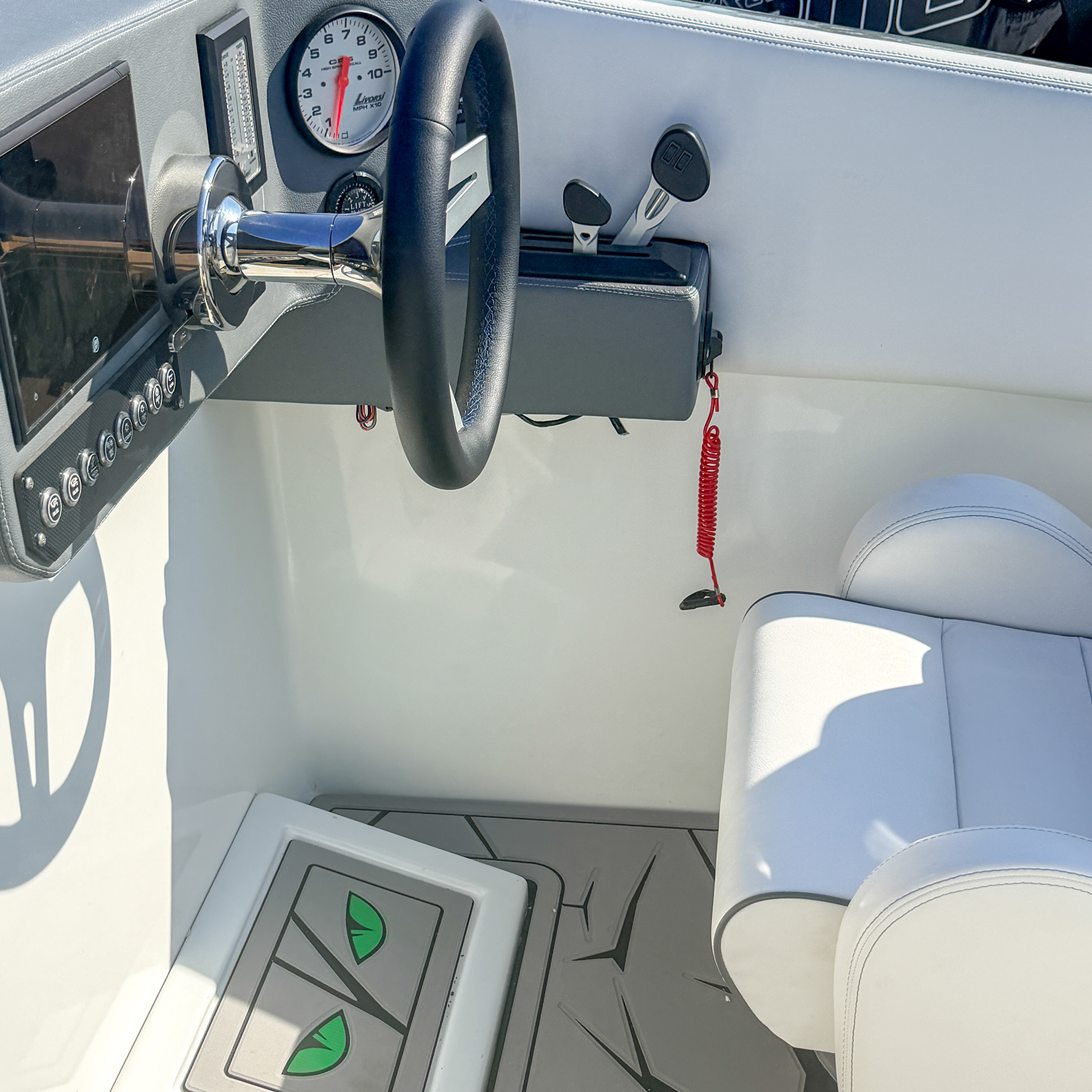
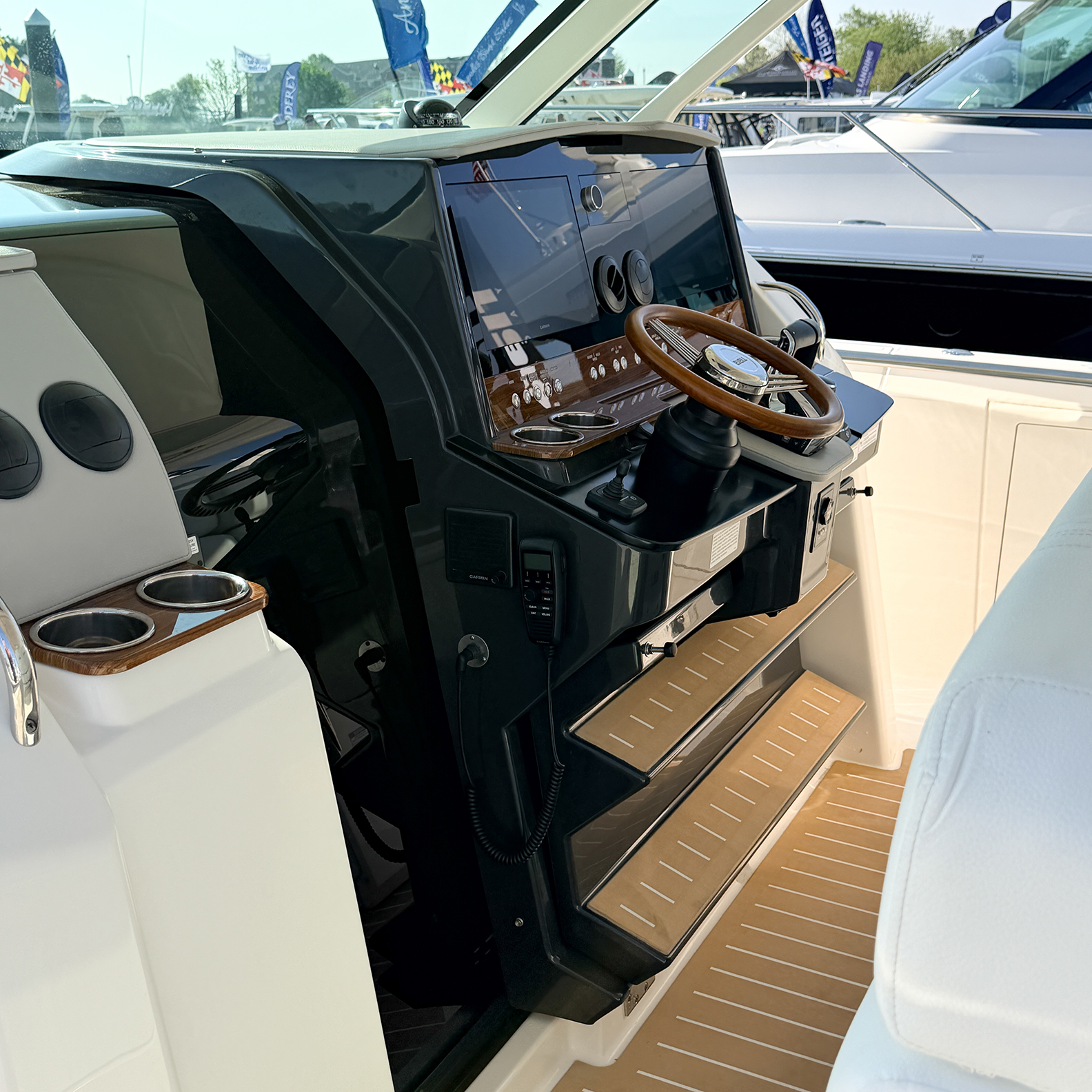
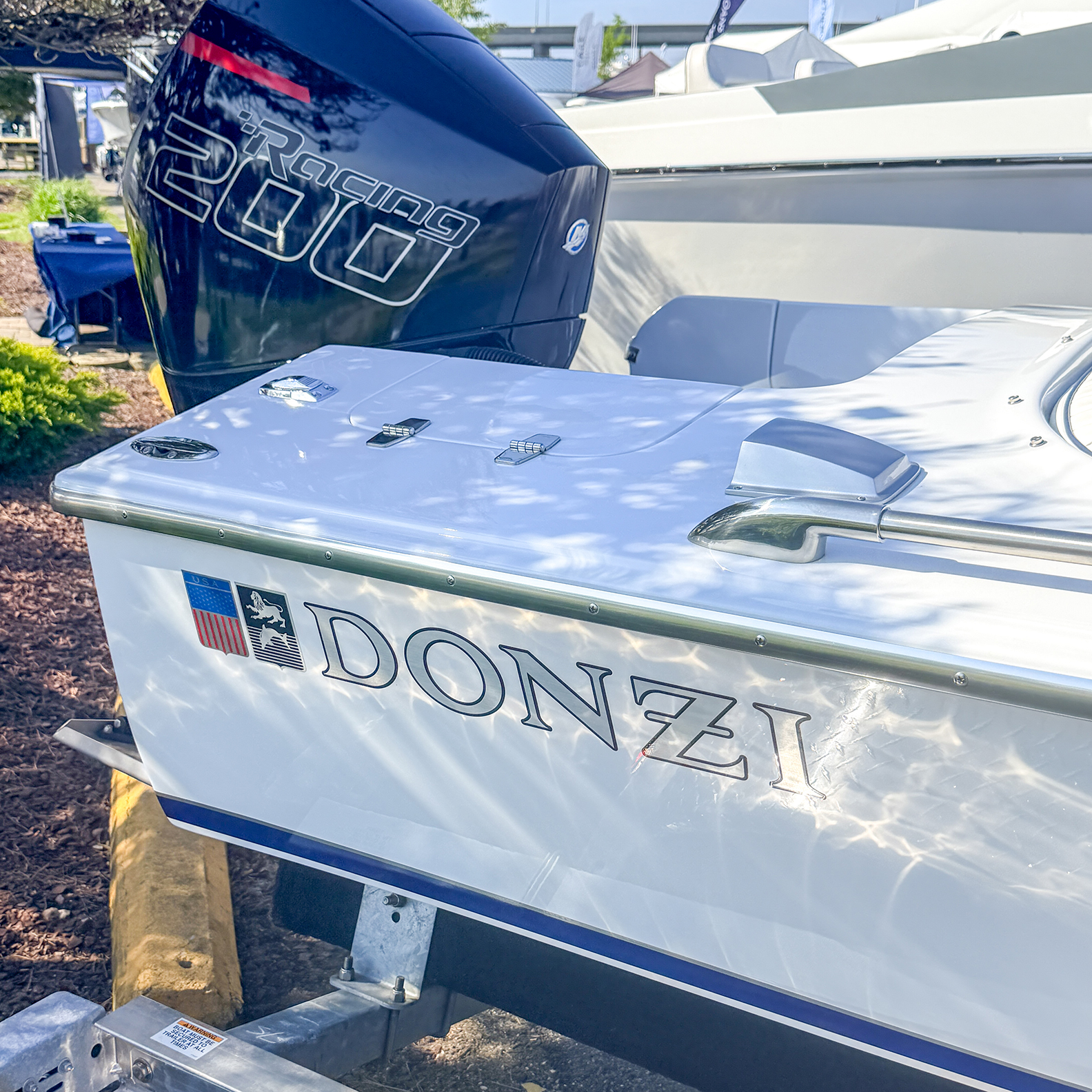
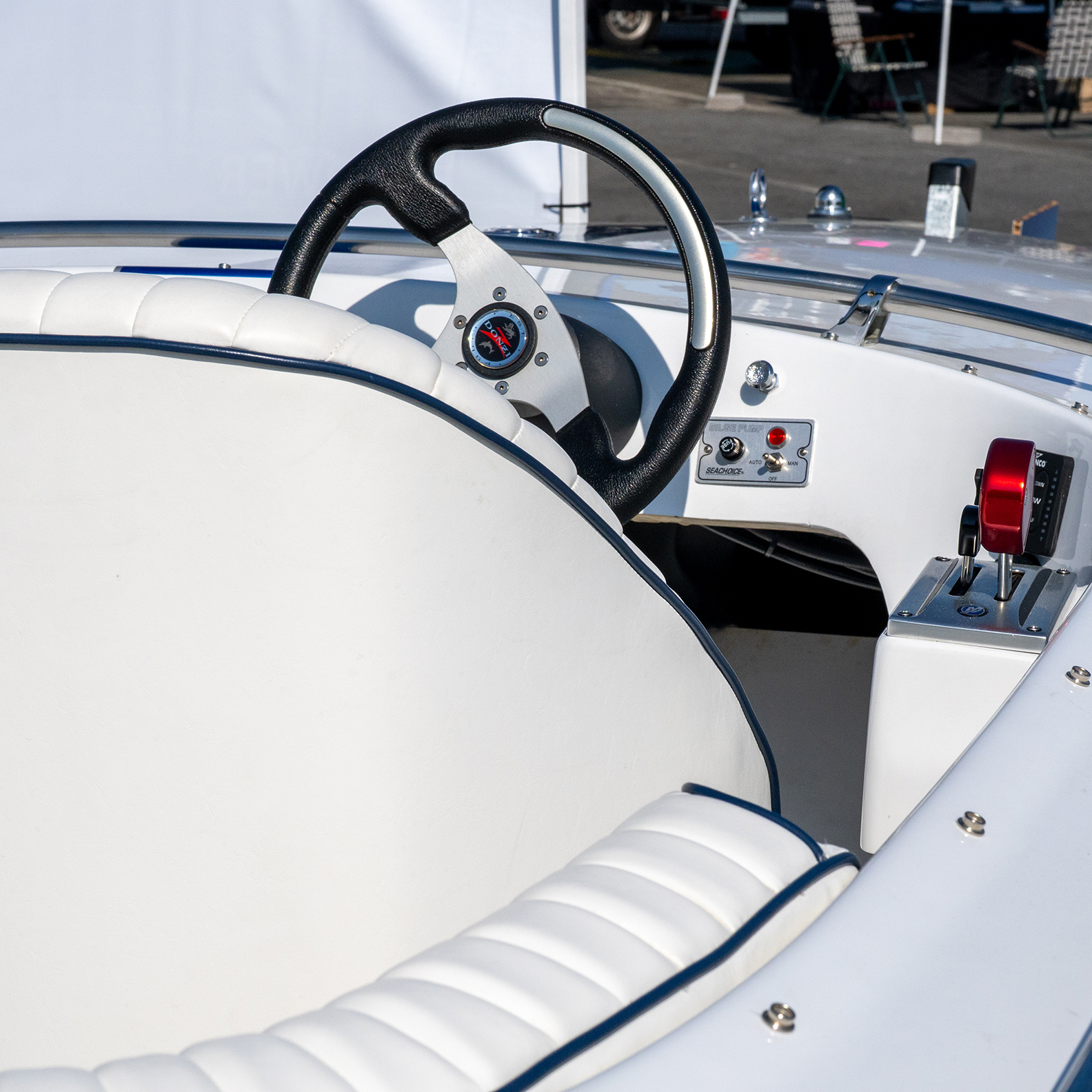
And the physical part is critical. Online listings are convenient, but they flatten experience. At the dock, dimensions become real. Seating layouts either work or they do not. Helm design, deck movement, storage, sightlines, and finish quality are immediately obvious. At a show like this, people are not just shopping the boat—they are shopping the fit between the boat and their actual lives.
Details from the Bay Bridge Boat Show
The Show Was Not Just About Boats. It Was About Readiness
A good boat show does more than show inventory. It helps people get ready for the season. That is where the exhibitor side of the Bay Bridge Boat Show pulled its weight.
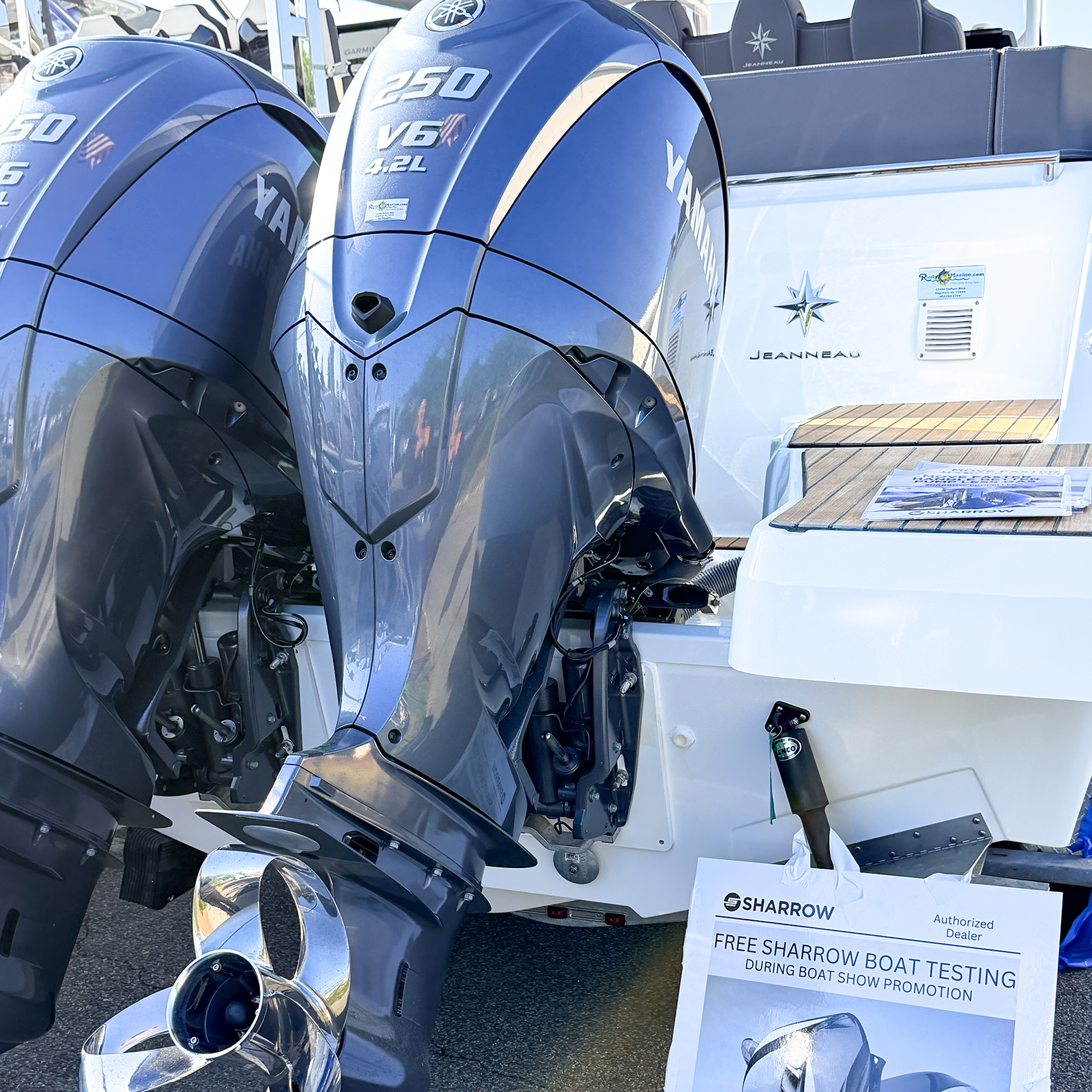
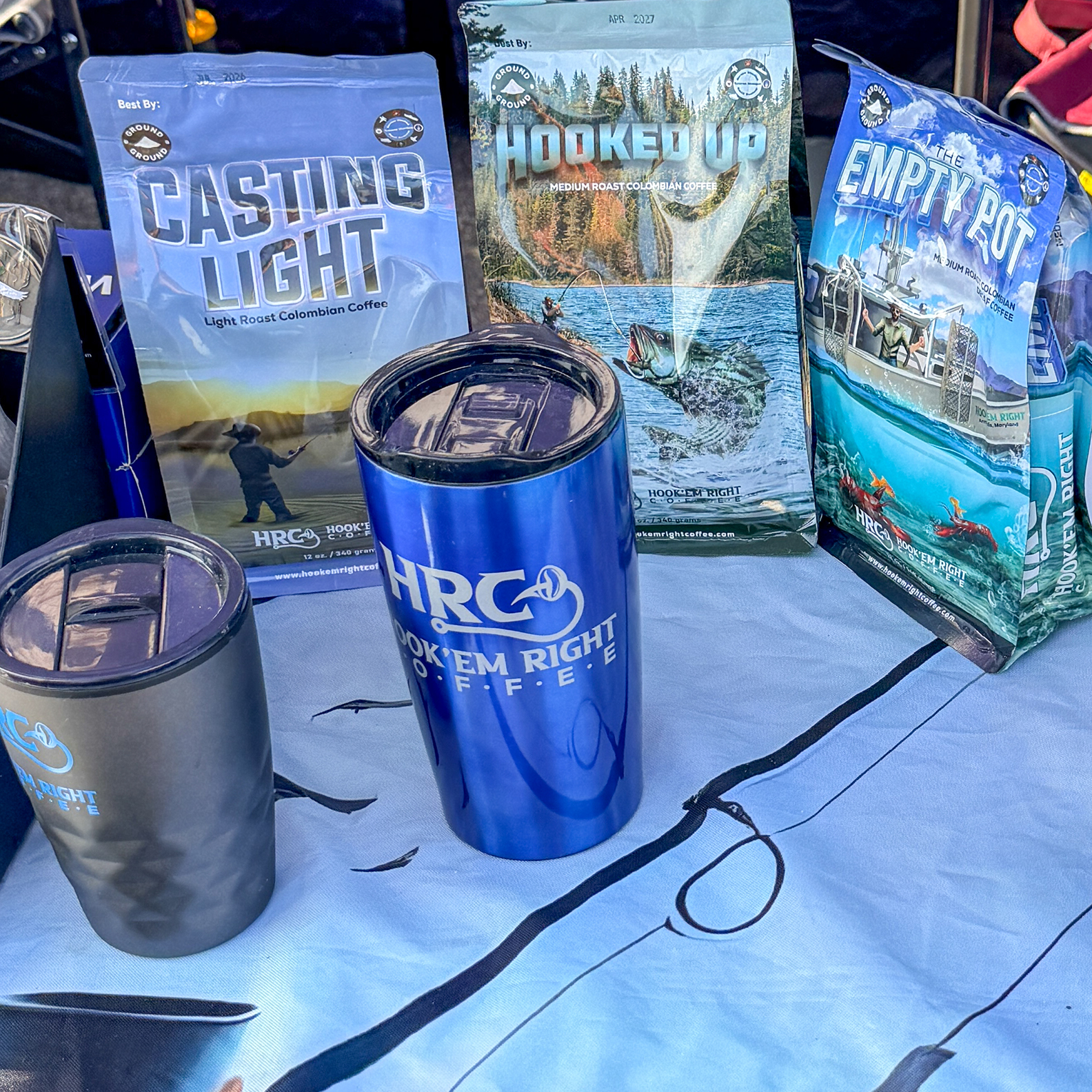
The event featured more than 130 exhibitors, with displays spanning marine electronics, engines, lines, life jackets, marinas, maintenance supplies, accessories, services, financing, and insurance. That made the show useful even for people who were not in the market for a new vessel. For a lot of Chesapeake boaters, spring is not about buying a boat. It is about tuning up the one they already own, replacing worn gear, updating electronics, solving storage issues, or getting straight answers from people who actually know the products.
That exhibitor density also reinforces the event’s value as a one-stop seasonal reset. The Bay does not reward sloppy preparation. Safety gear, navigation tools, mechanical reliability, and weather awareness all matter. A show that brings those conversations together in one place does something useful for the region’s boating culture.
On-Water Training and Sea Trials Made the Show Smarter
This is where the event separated itself from being just a dockside shopping weekend.
The official event information highlighted the PropTalk Demo Dock, where attendees could take sea trials on select models, and the BoatUS Foundation’s on-water training, which offered practical instruction led by a U.S. Coast Guard-licensed captain. Preview coverage also emphasized that the seminar series returned with hourly sessions and hands-on learning aimed at both beginners and more experienced Chesapeake boaters.
That matters because boating confidence does not come from brochures. It comes from doing. People who are curious about buying a boat often need more than specs; they need contact. They need to feel motion, visibility, control, turning response, and comfort on the water. A sea trial can kill a bad idea or confirm a good one fast.
The training component matters just as much. There are plenty of people in the region who want to get into boating but do not want to fake competence. That is smart. The Bay is beautiful, but it is not forgiving of ego. Putting education at the center of the show instead of treating it like filler is a strong move. It makes the event more credible and more useful.
Final Word
The 2026 Bay Bridge Boat Show succeeded because it did not try to be something artificial. It gave people what they actually came for: boats to board, experts to question, training to take seriously, seminars worth attending, and a waterfront setting that made the whole weekend feel like the true beginning of Chesapeake boating season. At Safe Harbor Narrows Point, the message was clear—spring on the Bay has started.